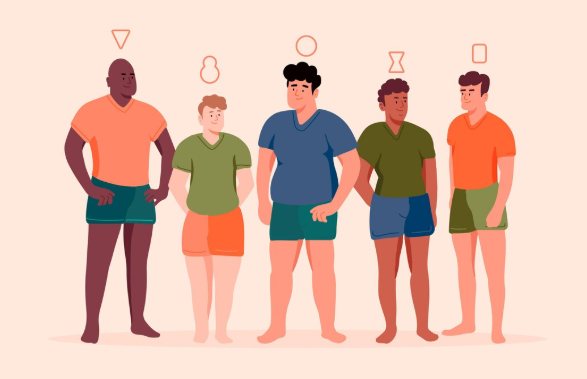
The Complete Guide to Finding Your Perfect Fit
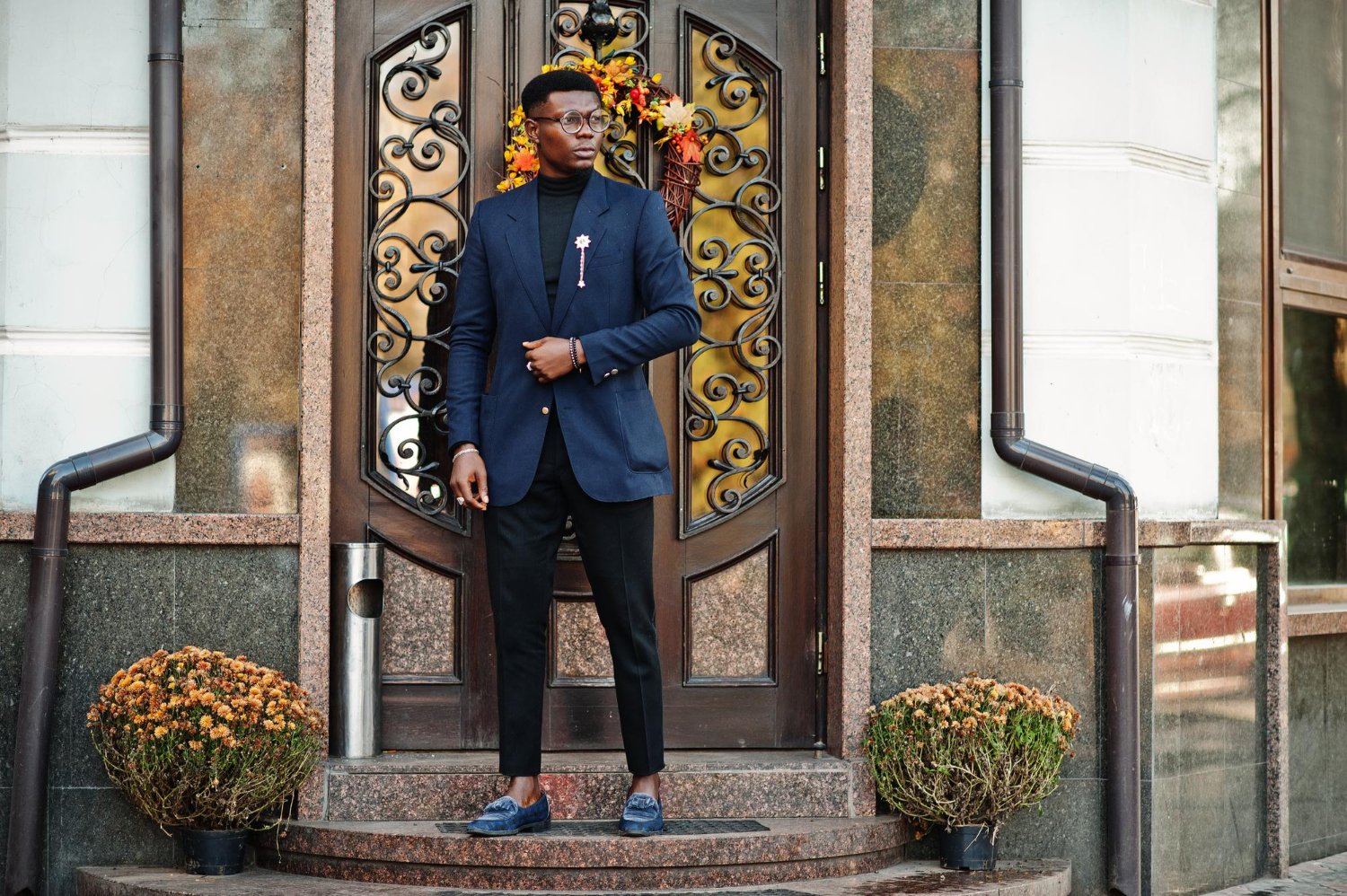
Finding your perfect fit means matching a garment’s cut to your actual body measurements — not the size label — and checking it against a small set of physical checkpoints at the shoulder, waist, and length.
Size names (S/M/L, or numeric sizes) vary so much between brands that they’re only a rough starting point; the measurements underneath them are what actually predict fit.
Below is how to measure yourself correctly, read a size chart properly, and check fit on every major garment category before you buy or alter anything.
Key Takeaways
- Size labels are inconsistent across brands — a size “large” can vary by two or more inches in chest measurement between two companies. Always check the actual measurement chart, not the label name.
- Four measurements cover most fit decisions: chest/shoulder width, waist, sleeve length, and inseam. Take these yourself with a soft tape measure rather than guessing from old clothes.
- The shoulder seam is the fit checkpoint that matters most on jackets — it’s the hardest flaw to alter, so get it right before evaluating anything else.
- Tailoring is usually cheaper and more effective than re-buying — most fit problems (length, waist, sleeve) cost $10-40 to fix and improve the garment more than switching to a different size would.
- Fit standards differ by garment type — a “good fit” on a t-shirt looks different from a “good fit” on a dress shirt or suit jacket, and treating them the same is a common mistake.
Why Size Labels Fail You
A size medium dress shirt from one retailer might measure 40 inches at the chest; the same label from another brand might measure 42 or 43 inches. Neither number is wrong — they’re just different pattern blocks, because there’s no industry-wide standard enforcing what “medium” means.
This is why the single most useful habit in this entire guide is simple: stop shopping by size name and start shopping by the brand’s actual measurement chart, which almost every retailer now publishes alongside the product.
The gap gets worse across categories. Denim brands often run their numeric waist sizes (32, 34, 36) a half-inch to a full inch off from the stated number, a practice sometimes called “vanity sizing,” where a brand quietly cuts pieces slightly larger than labeled to flatter the customer. None of this is something you can out-guess from experience with one brand — it has to be checked garment by garment against that brand’s specific chart.
The Original Framework: The Four-Point Measurement System
Rather than measuring everything on your body (which takes forever and produces numbers you won’t remember), four measurements answer the vast majority of fit questions across nearly every garment category:
- Shoulder width: measure across your back from the edge of one shoulder bone to the other. This single number determines whether a jacket, sweater, or dress shirt will ever fit correctly — it’s the one measurement that tailoring cannot meaningfully change.
- Chest/torso circumference: measure around the fullest part of your chest, tape parallel to the floor, arms relaxed at your sides. This determines the size range to start shopping in for shirts and jackets.
- Waist circumference: measure at your natural waist (the narrowest point of your torso, usually just above the navel, not at your pant line). This is the number most size charts actually key trousers to, even when the label just says a waist size.
- Sleeve/inseam length: for sleeve, measure from the center back of your neck, across the shoulder, down to the wrist bone with your arm slightly bent. For inseam, measure from your crotch down to just above the ground in the shoes you’ll typically wear with those trousers.
Write these four numbers down once and keep them on your phone. Every size chart you check from this point forward gets compared against these four, not against whatever size you happened to buy last time.
Read also: Dressing for Your Body Type: A Men’s Guide
How to Read a Size Chart Correctly
Most men skip the size chart entirely and buy their “usual size,” which is exactly how mismatched fits happen when switching brands. The correct process takes about 30 extra seconds:
- Find the brand’s measurement chart (not just the size guide with S/M/L) — nearly every online retailer has one, usually linked near the size selector.
- Compare your shoulder and chest measurements against the chart first, since these are the hardest to alter after purchase.
- Only after shoulder and chest, check waist and length — these are the cheapest and easiest to tailor, so a half-inch mismatch here is far less costly than a half-inch mismatch at the shoulder.
- If your measurements fall between two sizes, size up for structured garments (jackets, blazers) since a tailor can take in a slightly large jacket but cannot let out a too-small one beyond an inch or so; size to the closer number for stretch fabrics (t-shirts, joggers), which have more built-in forgiveness.
Fit Checkpoints by Garment Type
Dress Shirts
- Collar: with the top button done, one to two fingers should fit between your neck and the collar. Any tighter and it will feel constricting after an hour; any looser and it reads sloppy under a tie or jacket.
- Shoulder seam: should sit exactly at the edge of your shoulder bone — not sliding down your arm, not pulling up toward your neck.
- Sleeve length: cuffs should end right at the wrist bone when your arm is extended, allowing the cuff to just cover the wrist when bent.
- Length: the shirt should stay tucked through normal movement (reaching, sitting) without untucking — usually meaning it extends a few inches below the beltline.
Jackets and Blazers
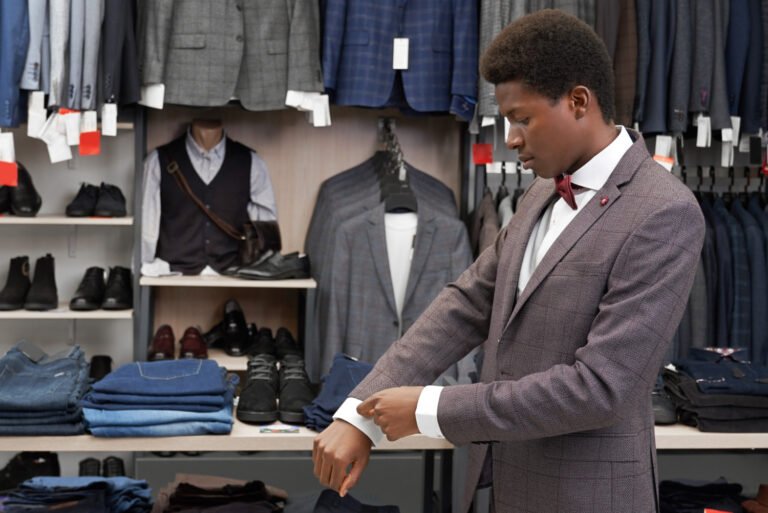
- Shoulder seam: the single most important checkpoint on any jacket. It must sit at the edge of the shoulder bone; a seam that hangs past it onto the upper arm is a structural flaw a tailor generally cannot fix without deconstructing and rebuilding the shoulder, which usually costs more than the jacket itself.
- Chest: you should be able to comfortably button the jacket with a flat hand’s width of ease — enough room to fit a fist between the lapel and your chest when buttoned, but no more.
- Sleeve length: a quarter to half an inch of shirt cuff should show beyond the jacket sleeve when your arms hang naturally at your sides.
- Length: your fingers, when arms are relaxed, should roughly reach the bottom hem of the jacket — a jacket that stops well above your fingertips or extends well past them is likely the wrong length for your torso proportion, independent of chest size.
Trousers and Jeans
- Rise: should sit at or just below your natural waist for most modern cuts — a low rise that sags below the hip both looks dated and fails to hold its line through the day.
- Seat and thigh: should skim without pulling horizontally across the seat (visible horizontal lines are the clearest sign of a too-tight fit) and without excess bunching fabric at the thigh when standing.
- Break: for a modern fit, aim for no break to a slight break — the hem should just touch the top of the shoe rather than pooling on top of it.
- Waistband gap test: sit down in the trousers — if the waistband gaps noticeably away from your body when seated, the trousers are cut for a different waist-to-hip ratio than yours, and sizing won’t fix it as reliably as trying a different cut from the same brand.
Sweaters and Knitwear
- Shoulder seam: same rule as jackets — it should sit at the shoulder edge, since knitwear seams are visually more forgiving but structurally follow the same logic.
- Sleeve length: should reach the wrist bone; knitwear that rides up when you raise your arms slightly is usually a sign the size runs small through the body, not just the sleeve.
- Body length: should cover the waistband of your trousers with a small amount of overlap, so no gap of shirt or skin shows when you move or reach.
Shoes
- Length: a thumb’s width of space between your longest toe and the front of the shoe when standing (not sitting, since feet lengthen slightly under weight-bearing).
- Width: the widest part of your foot should sit at the widest part of the shoe without the leather straining or bulging at the sides — this matters more than length for long-term comfort, since width is much harder to stretch than length.
- Heel: minimal slipping at the heel when walking; a small amount is normal in stiff leather shoes before break-in, but consistent slipping after a few wears signals the wrong size, not a break-in issue.
Comparison Table: Fit Priorities by Garment
| Garment | Hardest to Alter | Easiest to Alter | Priority Measurement |
|---|---|---|---|
| Dress shirt | Shoulder seam | Sleeve length (minor) | Collar + shoulder |
| Jacket/blazer | Shoulder seam | Sleeve length, waist | Shoulder + chest |
| Trousers/jeans | Seat/thigh room | Hem length, waist (within ~1-2″) | Waist + rise |
| Sweater | Shoulder + body length | — (minimal alteration possible) | Shoulder + sleeve |
| Shoes | Width | — (minor stretching only) | Width + length |
A Real Scenario: The Cross-Brand Sizing Trap
A client of mine wore a size 40R suit jacket reliably from one retailer for years, then bought a “same size” 40R from a different brand for an event and found it visibly too big through the shoulders. The chest measurement matched almost exactly, but the shoulder width on the new brand’s 40R ran nearly an inch wider — a difference invisible on a size chart if you only check the chest number, but glaring in a mirror. The fix was going back to the store’s actual measurement chart rather than trusting the size label, and sizing down to a 38R, which matched his real shoulder width despite “feeling wrong” based on years of buying 40R elsewhere. The lesson: your size number is brand-specific, not a fixed personal fact, and re-verifying it with every new brand takes two minutes and prevents this exact mistake.
When to Tailor vs. When to Size Differently
This is the decision point most men get wrong, usually by defaulting to “just buy a different size” when a tailor would solve the problem faster and cheaper:
- Tailor it when the issue is length (sleeves, hem, inseam), a waist that needs taking in by an inch or two, or a jacket that’s slightly loose through the body but correct at the shoulder.
- Size differently when the shoulder seam doesn’t sit correctly, when a shirt collar is too tight or loose, or when a trouser waistband gaps or strains when seated — these are structural issues tailoring can’t fully correct without disproportionate cost.
- Walk away when a garment is more than one size off at the shoulder or collar — at that point, alterations cost more than the garment’s value and the result will never look intentional, regardless of how skilled the tailor is.
As a rough cost guide: hemming trousers runs $10-20, taking in a waist runs $15-30, shortening jacket sleeves runs $20-40, and adjusting a jacket’s shoulder (when even possible) can run $75-150 — which is often close to the cost of buying a correctly-fitting jacket in the first place, reinforcing why shoulder fit should be checked before purchase rather than fixed after.
Common Mistakes When Trying to Find Your Fit
- Buying your “usual size” across every brand — without checking the actual chart, this guarantees inconsistent results since pattern blocks differ brand to brand.
- Measuring over bulky clothing — always take body measurements over a t-shirt or bare skin; measuring over a sweater or jacket adds a false inch or two to every number.
- Prioritizing comfort in the fitting room over how it wears all day — a shirt that feels loose and comfortable standing still in a store can look sloppy and feel different after sitting at a desk for six hours; check seated fit, not just standing fit.
- Ignoring shrinkage — cotton dress shirts and denim can shrink up to 3-5% after the first wash unless pre-shrunk or labeled otherwise, which matters most for length and collar fit; sizing slightly up on 100% cotton items without a “pre-shrunk” label accounts for this.
- Treating all garment categories the same — a t-shirt with two inches of ease at the chest looks relaxed and intentional; a dress shirt with the same two inches of ease looks like it’s the wrong size. Fit tightness expectations shift by garment formality, and applying one universal “loose is comfortable” rule across your whole wardrobe produces inconsistent results.
FAQ
How do I measure myself accurately without a tailor? Use a soft (cloth or vinyl) tape measure, not a rigid one, and measure over a t-shirt or bare skin rather than bulky clothing — focus on shoulder width, chest, waist, and sleeve/inseam length, and write the numbers down so you can compare them against any brand’s chart going forward.
Why does the same size fit differently across brands? There’s no universal industry standard for what a size label like “medium” or “32” means in actual measurements, so each brand sets its own pattern block — always check the specific measurement chart rather than relying on the label alone.
Should I size up or down if I’m between two sizes? For structured garments like jackets, size up, since a tailor can take in extra room but can’t add fabric that isn’t there; for stretch fabrics like t-shirts or joggers, size to whichever number is closer, since the fabric itself has more built-in give.
What’s the most important fit checkpoint on a jacket? The shoulder seam — it should sit exactly at the edge of your shoulder bone, since this is the one flaw a tailor generally cannot correct without rebuilding the entire shoulder construction.
Is it worth paying for tailoring instead of buying a new size? Usually yes for length and minor waist adjustments (typically $10-40), since these are cheaper than buying a new garment and often produce a better result than a factory size that’s correct in one dimension but off in another.
How often should I re-check my measurements? About once a year, or after any noticeable weight or fitness change — shoulder width stays fairly stable through adulthood, but waist and chest measurements can shift enough to change which size chart range you fall into.
Read also: