White T-Shirts: Why Quality Matters
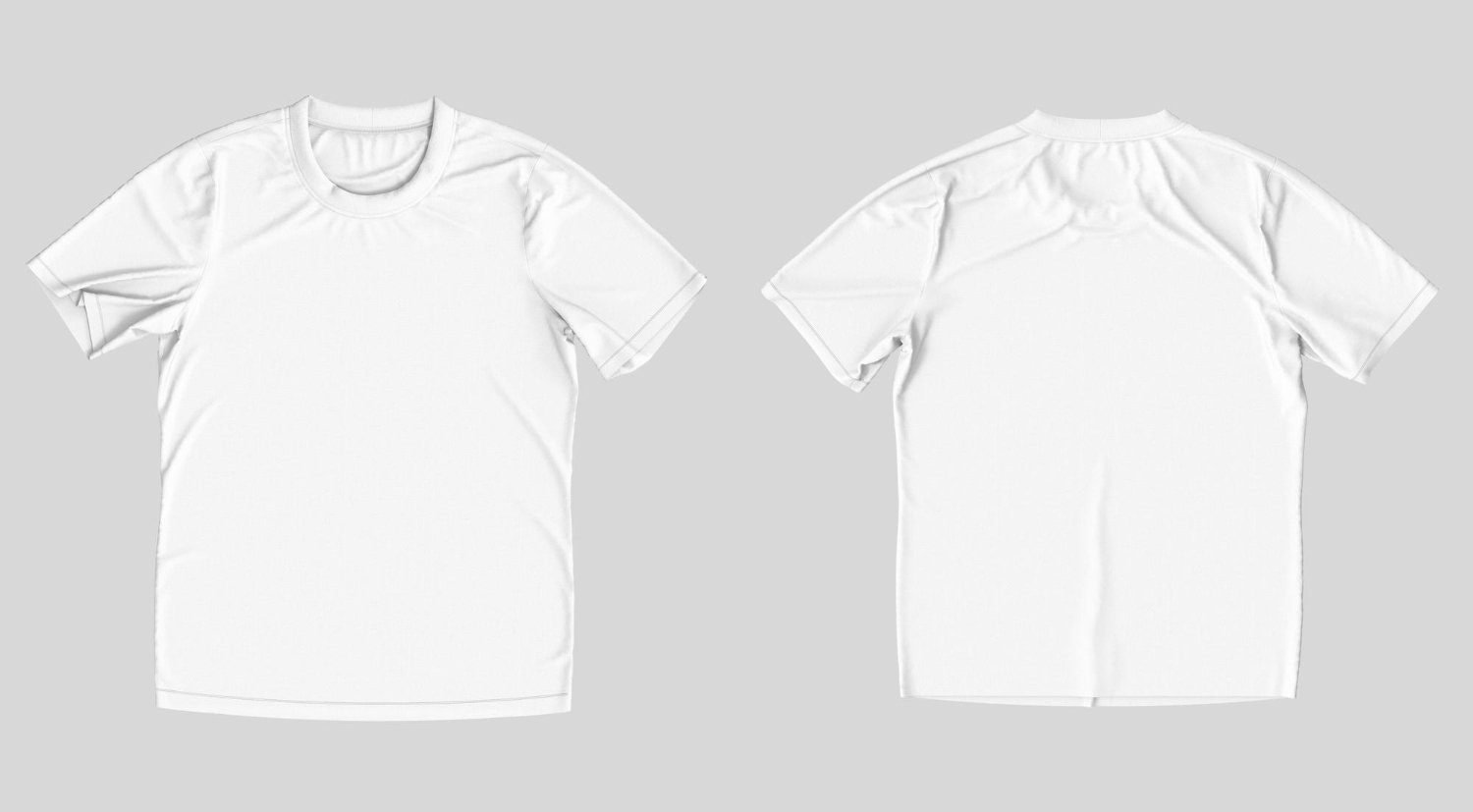
A white t-shirt hides nothing — every seam, every fabric flaw, and every wash cycle shows up on it in a way that no other color reveals.
The difference between a $8 white tee and a $35 one isn’t branding; it’s fabric weight, cotton grade, and knit construction, and those three things determine whether the shirt still looks sharp after 20 washes or turns translucent and grey after five.
Key Takeaways
- Fabric weight, measured in GSM (grams per square meter), is the single biggest predictor of how long a white tee holds its shape and opacity. Look for 180-220 GSM for a standard tee.
- Combed or ringspun cotton removes short, weak fibers before spinning, which is why it resists pilling far longer than standard carded cotton.
- White fades to grey mainly from incomplete rinsing of detergent and from fabric softener buildup, not just from age — how you wash it matters as much as what you buy.
- A boxy or overly thin knit is the main reason white tees go see-through; a tighter knit and slightly heavier fabric fix this without needing a lining.
- Budget tees (under $15) can be genuinely good if they hit the right GSM and cotton type — price alone isn’t the real signal, the spec sheet is.
Why Does Fabric Quality Matter So Much More on White Than Other Colors?
White fabric has no dye to mask thin spots, uneven knitting, or fiber weakness, so any flaw in the cotton or construction is visible immediately rather than hidden under color.
A navy tee made from cheap, low-GSM cotton can still look fine because the dark color absorbs light and hides the fabric’s thinness; the same fabric in white will show your skin or undershirt through it under normal indoor lighting.
This is why the “cheap tee that actually looks fine” often exists in black or heather grey but almost never in true white.
The Four-Point Quality Check: An Original Framework for Evaluating Any White Tee
Most buying guides tell you to “check the fabric,” which isn’t actionable. After years of returning shirts that looked identical on a hanger, I narrowed it down to four checkpoints that predict 90% of how a white tee will perform over its lifespan. Check these in order, because each one filters out a different failure mode:
1. GSM (fabric weight): Printed on the tag or listed in the product description as “180 gsm” or similar. Below 160 GSM, the fabric is almost always too thin to stay opaque once washed a few times. 180-220 GSM is the sweet spot for a tee that drapes well without feeling heavy. Above 220 GSM starts to feel more like a heavyweight or “boxy” tee, which is a style choice, not a quality upgrade.
2. Cotton type: Look for “combed cotton,” “ringspun cotton,” “Pima,” or “Supima” on the label. Combed cotton has had short fibers removed before spinning, producing a smoother, stronger yarn. Ringspun cotton is twisted more tightly during spinning, which also increases strength and softness. Supima is a trademarked U.S.-grown extra-long-staple cotton, generally the strongest and softest widely available option. Avoid tees that only say “100% cotton” with no other qualifier — that’s often standard carded cotton, the weakest and most pill-prone tier.
3. Knit type: Most tees use single jersey knit, which is fine at the right GSM but can run thin. Interlock knit is a double-knit construction that’s inherently denser and more opaque at the same or even lower GSM, which is why some premium brands can advertise a lower gram weight and still outperform a heavier single-jersey tee.
4. Finishing details: Check the hem and collar stitching. A cover-stitched hem (visible as two parallel rows of stitching) lies flatter and resists curling after washing better than a single-stitched hem. A ribbed crew collar that snaps back into shape when stretched (rather than staying loose) indicates spandex or lycra content in the ribbing, usually 3-5%, which keeps the collar from sagging after repeated wear.
Why Do White Shirts Turn Grey or Yellow, Even When They’re Good Quality?
This is almost always a laundry issue, not a fabric defect, and it happens through two separate mechanisms:
- Detergent residue buildup: Using too much detergent or washing in water that’s too cold to fully rinse it out leaves a thin film on the fibers that dulls white over time. Using half the recommended detergent amount and an extra rinse cycle solves this in most washers.
- Fabric softener and antiperspirant buildup: Fabric softener coats fibers in a waxy residue that yellows with heat exposure, especially under the arms where antiperspirant aluminum compounds react with the residue and body heat. Skipping fabric softener on white tees and switching to a color-safe, oxygen-based bleach alternative (not chlorine bleach, which weakens cotton fibers over time) keeps whites brighter for longer than any fabric choice can compensate for.
Fit Checkpoints That Matter More on White Than Other Colors
Because white shows every irregularity, fit problems that are cosmetic on a colored tee become quality problems on white.
- Shoulder seam placement: Should sit at the edge of your shoulder, not drooping onto your upper arm. A dropped shoulder seam on a thin white tee creates visible fabric pooling that reads as cheap even if the fabric itself is decent.
- Length relative to build: For most builds, the hem should land at the top of the hip bone. Shorter rides up and shows a gap of skin when you raise your arms; longer starts to look like an undershirt rather than an outer layer.
- Chest opacity when stretched: In the fitting room or before buying online, pull the fabric gently across the chest. If it visibly lightens or shows more skin tone through it when stretched, it will be worse after washing, since washing relaxes and thins the knit slightly over time.
Read also: How to Read Clothing Care Labels (and Follow Them)
Comparison Table: White T-Shirt Quality Tiers
| Tier | GSM Range | Cotton Type | Price Range | Realistic Lifespan |
|---|---|---|---|---|
| Budget (workable) | 160-180 | Combed cotton, single jersey | $10-20 | 6-12 months of regular wear |
| Mid-range | 180-200 | Ringspun or combed cotton, single or interlock jersey | $25-45 | 1-2 years |
| Premium | 200-220+ | Supima or Pima, interlock or heavyweight jersey | $40-80 | 2-4 years with proper laundering |
| Ultra-heavyweight | 220-280 | Ringspun or Supima, heavyweight jersey | $30-60 | 2-3 years, boxier fit by design |
A Situational Example: Buying for Layering vs. Wearing Alone
If you’re buying a white tee to wear alone in warm weather, prioritize a slightly heavier GSM (200+) and interlock knit for opacity, since there’s no undershirt or layer to hide fabric thinness.
If you’re buying primarily to layer under a button-down or sweater, a lighter 160-180 GSM single jersey tee is actually the better technical choice, since it reduces bulk under other layers and the opacity issue matters less when it’s not your top visible layer.
Buying the heaviest tee available for both use cases is a common mistake — it solves a problem you don’t always have and adds unnecessary bulk when you do layer.
Read also: Denim 101: Selecting the Right Jeans for Your Body
Common Mistakes When Buying White Tees
- Judging quality by brand name alone. Plenty of premium-branded tees use standard 150-160 GSM carded cotton because the markup comes from the logo, not the fabric. Check the actual GSM and cotton type on the tag rather than assuming price or brand guarantees quality.
- Buying a size down “to be safe” on cotton with no spandex. Pure cotton knits (no elastane) don’t recover their shape well after stretching in the wash, so a tight-fitting 100% cotton tee will often loosen and sag within a few washes. A tee with 2-5% spandex holds its fit far longer.
- Ignoring the label’s cotton origin entirely. Egyptian cotton, Supima, and Pima are long-staple cottons that resist pilling significantly better than unspecified “cotton.” If the tag doesn’t name a cotton type, assume it’s a lower tier.
- Washing whites with everything else on a hot cycle. Heat sets in stains and accelerates yellowing from residue. Cold or warm water with a dedicated whites load, even just occasionally, meaningfully extends a tee’s bright-white lifespan.
How to Verify Quality In Person Before You Buy
Hold the fabric up to a light source. If you can clearly see your hand’s outline through a single layer at eye level in normal store lighting, the GSM is likely under 160 and will only get more transparent after washing. Next, stretch a section of the hem between your fingers and let go — quality knits with proper elastane content snap back to their original shape almost immediately, while lower-quality knits stay stretched or return slowly. Finally, check the inside collar seam: it should be flat and finished, not raw or fraying, since a raw edge is a sign of cost-cutting in the shirt’s construction that usually correlates with cost-cutting elsewhere in the fabric.
FAQ
What GSM is best for a white t-shirt? 180-220 GSM is the practical range for most men — heavy enough to stay opaque through regular washing, light enough to drape naturally rather than feeling stiff or boxy. Below 160 GSM, expect see-through fabric within a few wears.
Why do my white t-shirts turn grey after a few washes? This is usually detergent residue or fabric softener buildup rather than fabric aging. Using less detergent, adding an extra rinse, and skipping fabric softener on whites solves this in most cases, regardless of the shirt’s original quality tier.
Is Supima cotton actually worth the extra cost? For a tee you’ll wear regularly and want to last multiple years, yes — Supima’s extra-long fibers resist pilling and hold shape significantly longer than standard cotton, which usually offsets the higher price over the shirt’s lifespan. For an occasional-wear or layering tee, the upgrade matters less.
How can I tell if a white tee will be see-through before washing it? Stretch the fabric gently across your chest or hold it up to light. If it visibly thins or shows skin tone at rest (not just when stretched), it will only get more transparent after the fibers relax through washing.
Does thread count matter for t-shirts the way it does for sheets? No — thread count is a woven-fabric measurement and doesn’t apply to knit t-shirt fabric. For tees, GSM (weight) and cotton type are the equivalent quality indicators, not thread count, which is a common point of confusion when shopping.
Can a cheap white tee ever be genuinely good quality? Yes, if it hits the right specs — 180+ GSM, combed or ringspun cotton, and a bit of spandex in the ribbing. Price correlates loosely with quality, but a $15 tee that meets those specs will outperform a $40 tee that doesn’t, so checking the tag matters more than checking the price tag.
Read also: