Men’s Capsule Wardrobe: 20 Essential Pieces (2026)
A men’s capsule wardrobe is a tight rotation of 20-ish versatile, well-fitting pieces — built around 2-3 neutral colors — that can be mixed into 30+ outfits for work, weekends, and everything in between.
The goal isn’t owning less for its own sake; it’s owning fewer things that actually fit, last, and combine with each other.
Below is the exact piece list, how to sequence buying it, the fit checkpoints most guides skip, and how to adapt the whole system to your climate, body type, and budget.
Key Takeaways
- 20 pieces cover roughly 90% of a working man’s wardrobe needs: 5 tops for layering, 4 bottoms, 3 outerwear, 4 shoes, plus underlayers and accessories.
- Build around one dominant neutral (navy or charcoal) and one secondary neutral (stone/olive or grey) — this is what makes mixing effortless, not luck.
- Buy in this order: fit-critical basics first (tees, jeans, one blazer), outerwear second, shoes third, accent pieces last.
- Budget $800-$1,500 total for a first-pass capsule at mid-tier quality; $2,500+ if you want premium fabrics throughout.
- The single biggest mistake: buying trend colors before you’ve nailed fit on the basics. Fit failures are why closets fill up with unworn clothes.
What Is a Capsule Wardrobe (and Why 20 Pieces)?
The number 20 isn’t arbitrary — it’s the point where the math of combinations starts working in your favor. With 5 tops, 4 bottoms, and 3 outerwear pieces alone, you get 60 top-bottom pairings before you’ve even touched layering or shoes. Fewer than 15 pieces and you run out of combinations fast; more than 25 and you’re back to decision fatigue, which defeats the purpose.
The framework only works if every piece passes what I call the two-outfit test: before buying anything, you should be able to name two outfits you already own that it would pair with. If you can’t, it’s not a capsule piece — it’s an impulse buy.
There’s also a durability argument that most style content skips entirely. A 20-piece rotation worn in regular cycles means each item gets washed and rested more often than it would in a 60-piece closet where some shirts sit untouched for months.
Counterintuitively, a tighter wardrobe often lasts longer per item because nothing gets forgotten in a drawer long enough to go out of shape from disuse, and everything gets inspected for wear (loose buttons, thinning knees) more regularly simply because you’re handling it weekly.
The 20 Essential Pieces
Tops (5)
- 2 white/light-blue oxford button-downs — The workhorse of business casual. Look for a cotton oxford cloth (not a dress-shirt poplin, which wrinkles harder and reads more formal). Budget tier: Uniqlo ($30-40). Mid: Bonobos, J.Crew ($70-90). Premium: Proper Cloth made-to-measure ($120+). Oxford cloth has a basketweave structure that hides wrinkles better than smooth poplin, which is exactly why it survives a full workday and still looks presentable at 6 p.m.
- 1 solid crewneck sweater in navy or charcoal, merino or a merino blend. Merino resists odor and regulates temperature better than acrylic blends — worth the upcharge if you’ll wear it weekly. A 100% merino sweater in the 12-17 micron range feels soft against the neck without pilling as fast as coarser wool; anything advertised simply as “wool” without a micron count is worth asking about before buying.
- 2 plain crewneck or henley tees in white and heather grey, mid-weight cotton (180-220 GSM). Below 160 GSM, the fabric goes see-through and loses shape after a few washes — check the tag or ask before buying online. GSM (grams per square meter) is the one spec that predicts longevity better than price point; a $15 tee at 220 GSM will often outlast a $40 tee at 140 GSM.
Bottoms (4)
- 1 pair dark indigo, straight or slim-straight jeans with minimal stretch (under 2% elastane). Higher stretch percentages bag out at the knee within a few months of regular wear. Raw or rigid denim (0% stretch) lasts the longest but takes weeks to break in comfortably, so if this is your only pair, a small amount of stretch is a reasonable trade-off for daily wearability.
- 1 pair chinos in stone or khaki, mid-rise, straight leg. This is the single most-worn item in most men’s capsules — it bridges casual and business casual. Cotton twill with a small amount of elastane (around 2%) holds a crease better than pure cotton while still moving with you through a workday.
- 1 pair charcoal or navy dress trousers, wool or wool-blend, for the office or events that need one step up from chinos. A tropical-weight wool (roughly 7-9oz) works year-round in most climates; a heavier flannel wool trouser is worth adding only if you live somewhere genuinely cold for months at a time.
- 1 pair tailored shorts (chino-cut, 7-9 inch inseam) for warm weather — skip cargo or athletic shorts here; they don’t pair with the rest of the capsule. A 7-inch inseam reads more modern and works better with the white sneakers below than anything longer than 9 inches, which starts to look dated on most builds.
Outerwear (3)
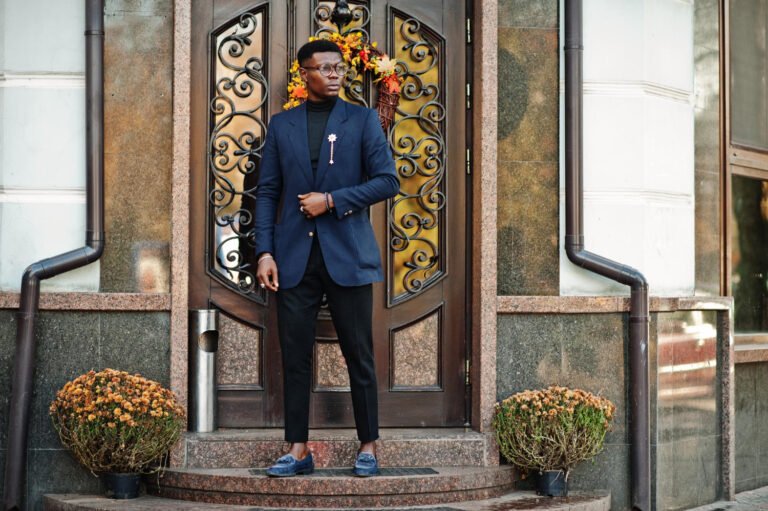
- 1 navy wool-blend blazer, unstructured (no shoulder padding, half-canvas or unlined) so it works over a tee as easily as a dress shirt. This is the piece that instantly upgrades every other item in the list. An unstructured blazer also travels better — it can be folded into a bag without the shoulder padding creasing, which a fully canvassed formal blazer cannot do.
- 1 field jacket or bomber in olive, navy, or tan — cotton or cotton-nylon blend, waist-length. Covers spring/fall and casual layering. This is the piece most guides underrate: it’s the one item that makes jeans-and-tee look intentional rather than lazy, simply by adding structure at the shoulders.
- 1 versatile overcoat or heavier shell for cold weather — wool overcoat if you live somewhere cold and formal-leaning; a technical shell (e.g., a Gore-Tex-type waterproof layer) if your climate is wet or your lifestyle is more casual. If you genuinely need both (cold and wet winters), prioritize the technical shell first — a soaked wool coat is a bigger practical failure than a slightly-too-casual one for a dressy occasion.
Shoes (4)
- 1 pair white leather sneakers, minimal branding, low-profile sole. This is the highest-utility shoe in the entire capsule — it works with jeans, chinos, and even under a blazer for smart-casual settings. Full-grain leather (not the cheaper “genuine leather,” which is a lower-quality split layer despite the name sounding premium) will hold its shape and resole better over a multi-year lifespan.
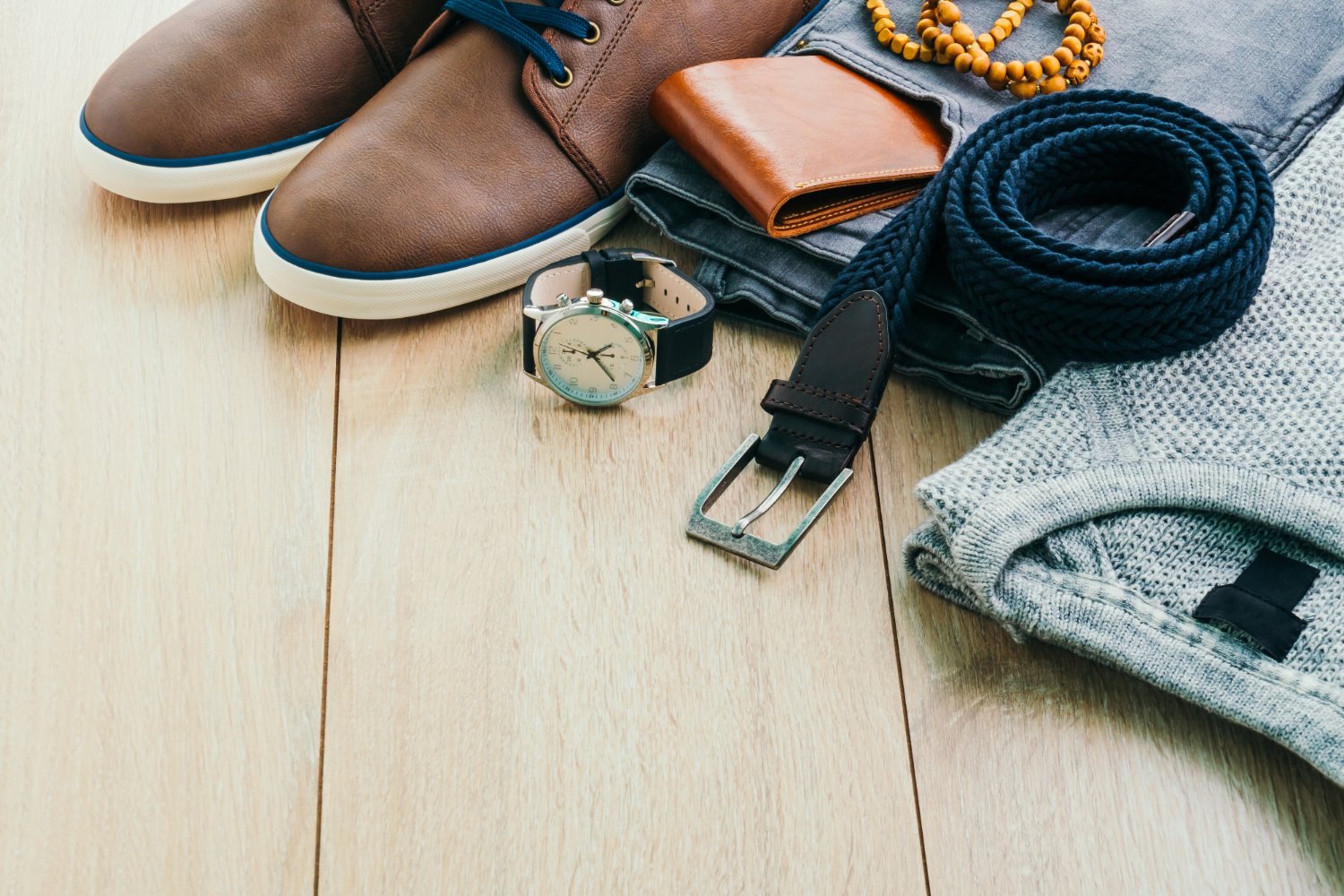
- 1 pair brown leather derbies or chukkas for business casual. Derbies (open lacing) are more forgiving of high insteps and slightly easier to break in than oxfords, which use a closed-lacing construction that fits closer to the foot.
- 1 pair dark brown or black oxfords for formal occasions — weddings, interviews, funerals. A cap-toe or plain-toe oxford in a matte (not glossy patent) finish is the safest choice across nearly every formal dress code you’re likely to encounter.
- 1 pair everyday boots (chelsea or leather work boot) for fall/winter and rugged-casual wear. A chelsea boot with a leather sole reads dressier; a lug or Vibram sole is the better call if you’re regularly walking on wet pavement or uneven ground.
Layers, Basics & Accessories (4)
- 5-7 pairs of plain, well-fitting underwear and a merino or bamboo undershirt or two — unglamorous, but sweat management under dress shirts is what keeps them from smelling and wearing out at the underarms. An undershirt is also the cheapest way to extend a dress shirt’s life between washes, since it absorbs most of the sweat that otherwise breaks down the shirt’s fabric at the armpit seam.
- 1 leather belt in dark brown matched to your derbies/chukkas — buy this after the shoes, not before, so the leather tones actually match. A belt that’s noticeably lighter or more orange-toned than your shoes is one of the most common small mismatches that undercuts an otherwise well-put-together outfit.
- 1 versatile watch with a leather or metal band that reads formal enough for a blazer but simple enough for jeans (avoid oversized sport watches for this role). A case diameter between 38-42mm sits correctly on most wrist sizes and reads appropriately across both formal and casual contexts, whereas anything larger starts to look purpose-built for one setting only.
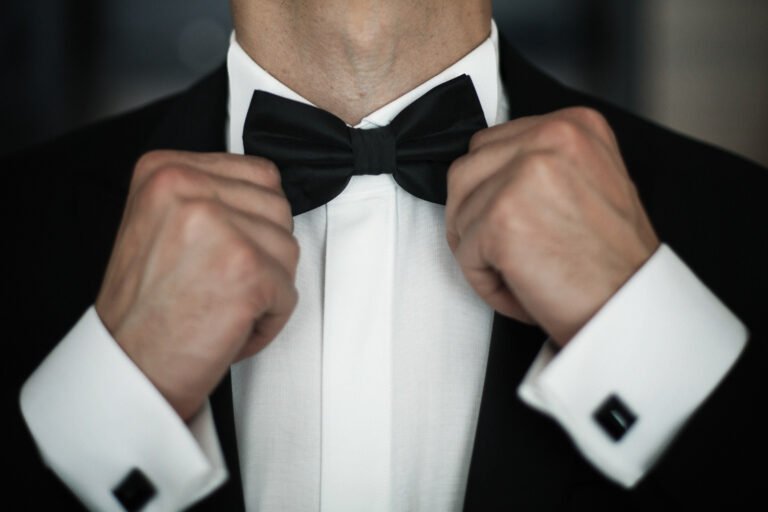
- 2-3 ties or a knit tie plus one patterned tie if your work requires them — a solid navy knit tie is the most reused necktie in any professional’s rotation, since its texture reads slightly more casual than silk while still working under a blazer.
The Original Framework: The 2-Color Anchor System
Most style guides tell you to “stick to neutrals” without explaining why some neutral wardrobes still feel disjointed. The fix I use with styling clients is picking one dominant neutral and one secondary neutral, then treating every other color as an accent that touches only one piece at a time.
- Dominant neutral (60% of pieces): navy — it’s flattering on more skin tones than black and reads as put-together rather than severe.
- Secondary neutral (30% of pieces): stone, olive, or mid-grey — this is your contrast without clashing.
- Accent (10%, max 2 pieces): a burgundy tie, a patterned scarf, or one bold sweater. If you love color, this is where it lives — contained, not scattered across five items where it fights itself.
This system is why two guys can own the same 20 pieces on paper and one looks curated while the other looks random: the second guy skipped the ratio and let three or four “interesting” colors compete for attention. It’s also worth noting the ratio isn’t fixed in stone — if you’re building a capsule for a warm, casual climate, you might swap navy for a lighter stone or olive as your dominant neutral and let charcoal become the secondary. What matters is picking two colors deliberately and defending that ratio against impulse buys, not the specific shades themselves.
Fit Checkpoints Most Guides Skip
Fit is what separates “cheap-looking” from “expensive-looking” far more than price does. Three checkpoints I check on every client, in order of how often they’re wrong:
- Shoulder seam on jackets and blazers: it should sit exactly at the edge of your shoulder bone, not past it. A seam that droops onto your upper arm is the single most common reason a blazer reads as ill-fitting, and it’s the one flaw a tailor usually cannot fix without deconstructing the whole garment — so check this before anything else at the fitting stage.
- Trouser break: for a modern fit, aim for little to no break — the hem should just touch the top of the shoe. A deep break (fabric pooling on the shoe) reads dated in almost any current context, dressy or casual. This is also the single cheapest tailoring fix in the entire capsule — a basic hem adjustment runs $10-20 and instantly modernizes an otherwise dated pair of trousers.
- Shirt collar gap: with the top button done, you should be able to fit one to two fingers between your neck and the collar, no more. A gaping collar is the most common reason a “good” dress shirt still looks sloppy under a jacket.
A fourth checkpoint worth adding, since it trips up more men than any single item on the list above: the jacket sleeve length. With arms relaxed at your sides, about a quarter to half an inch of shirt cuff should show beyond the jacket sleeve. Too little and the jacket reads boxy and cheap; too much and it looks like you’re wearing someone else’s jacket. Almost every off-the-rack blazer needs a sleeve adjustment to hit this correctly, and it’s a low-cost alteration most tailors can do in under a week.
Fabric & Fit Comparison Table
| Piece | Best Fabric | Fit Signal to Check | Budget Tier | Premium Tier |
|---|---|---|---|---|
| Oxford shirt | 100% cotton oxford cloth | Collar gap (1-2 fingers) | $30-40 | $120+ |
| Jeans | Cotton denim, <2% stretch | No knee-bagging after 1 wear | $50-70 | $150-220 |
| Blazer | Wool or wool-blend, half-canvas | Shoulder seam at shoulder edge | $150-200 | $400+ |
| Chinos | Cotton twill, mid-weight | Straight leg, slight break | $40-60 | $120-160 |
| White sneakers | Full-grain leather | No visible glue lines/stitching gaps | $70-100 | $200+ |
Buying Sequence: What to Purchase First
Buy in this order to avoid the most common capsule-building mistake — front-loading outerwear or “statement” pieces before the basics that hold everything else together:
- Fit-critical basics — tees, one pair of jeans, chinos. These get worn most and teach you your true size across brands.
- The blazer — it’s the hardest single item to fit off-the-rack, so give yourself time (and possibly a tailor visit) before you need it for an event.
- Shoes — sneakers first (most worn), then the brown derby/chukka, then the formal pair.
- Outerwear and accessories — these are the easiest to get right once your core silhouette and color anchors are locked in.
A real scenario: a client of mine, 5’9″ and athletic-built, kept buying slim-fit dress shirts that gaped at the chest when buttoned because “slim” only accounted for waist taper, not chest room. Switching to an athletic-fit or classic-fit-with-tailored-waist cut solved it in one purchase — the lesson being that “slim” and “athletic” fit categories solve different problems, and reading the size chart’s chest measurement matters more than the label name.
Adapting the Capsule to Your Body Type
Fit rules aren’t one-size-fits-all, and this is where a lot of guides quietly give up. A few adjustments worth making based on build:
- Shorter builds (under 5’8″): keep hems at true no-break length or even a slight crop, avoid oversized outerwear (a field jacket that hits mid-thigh instead of hip will visually shorten the leg line), and favor a slightly higher rise on trousers to lengthen the look of the leg.
- Taller/leaner builds: a touch of extra room through the chest and thigh reads more proportionate than a fully slim cut everywhere, which can look stretched rather than lean. A structured shoulder on the blazer also adds visual width where a naturally narrow frame needs it.
- Athletic/broader builds: prioritize classic or athletic-cut shirts over slim, since slim cuts are drafted for a narrower chest-to-waist ratio and will pull at the buttons under any real shoulder or chest width. Go up a size and get the waist taken in by a tailor rather than sizing down and hoping the chest stretches.
Seasonal Rotation Within the Same Capsule
One advantage of the 2-color anchor system is that the same 20 pieces can flex across seasons with minor substitutions rather than a full wardrobe swap:
- Summer: lean on the tees, chinos, and shorts; swap the wool blazer for a lighter cotton or linen-blend version if your climate runs hot, and rely on the sneakers almost exclusively.
- Winter: the merino sweater and overcoat carry more of the rotation; dress trousers and boots move from occasional to weekly wear.
- Shoulder seasons (spring/fall): this is where the field jacket or bomber earns its keep, since it’s the one piece built specifically for a temperature range too cool for a tee alone and too warm for a full coat.
If you live somewhere with genuinely extreme seasons in both directions, the honest adjustment is to treat the 20-piece list as a year-round core and add 3-4 seasonal pieces (a heavier coat, a linen shirt) rather than trying to force one blazer or one jacket to cover every month of the year.
Common Mistakes That Sink a Capsule Wardrobe
- Buying trend colors before nailing fit on basics — a perfectly fitted navy sweater outperforms a trendy color in an ill-fitting cut every time.
- Skipping the belt-to-shoe color match — mismatched brown tones (an orange-toned belt with dark oxblood shoes) is a small detail that reads as careless disproportionately to its size.
- Over-buying “in-between” pieces — quarter-zips, polos, and joggers feel versatile but often don’t pair cleanly with either your dressier or your casual pieces, and they’re the items that end up unworn.
- Ignoring fabric weight — a tee under 160 GSM or a jacket in a thin, unstructured wool will look worn-out within a season regardless of price.
- Skipping basic care — washing dress shirts inside out on cold, air-drying knitwear flat instead of hanging it (which stretches the shoulders), and using cedar blocks instead of mothballs in storage are small habits that add years to a capsule’s lifespan and are far cheaper than replacing pieces early.
FAQ
How many pieces should a men’s capsule wardrobe have? Around 20 core pieces (excluding underwear and socks) is the sweet spot — enough for 30+ outfit combinations without the decision fatigue of a larger closet.
What colors work best in a men’s capsule wardrobe? Anchor around one dominant neutral (navy works for most skin tones) and one secondary neutral (stone, olive, or grey), then limit bold colors to one or two accent pieces.
How much does it cost to build a men’s capsule wardrobe? A mid-tier capsule built from scratch typically runs $800-$1,500; going premium on fabrics and construction throughout can push that to $2,500 or more.
Can a capsule wardrobe work for business casual and formal events? Yes — the list above includes dress trousers, an oxford dress shoe, and a blazer specifically so 3-4 pieces can flex into interviews, weddings, or client meetings without a separate wardrobe.
Do I need to replace my whole wardrobe to start a capsule? No — audit what you own against the 20-piece list first, keep anything that passes the fit checkpoints above, and only buy to fill genuine gaps.
How do I know if a piece is worth buying vs. skipping? Apply the two-outfit test: if you can’t immediately name two things you already own that it would pair with, it’s not a capsule piece.