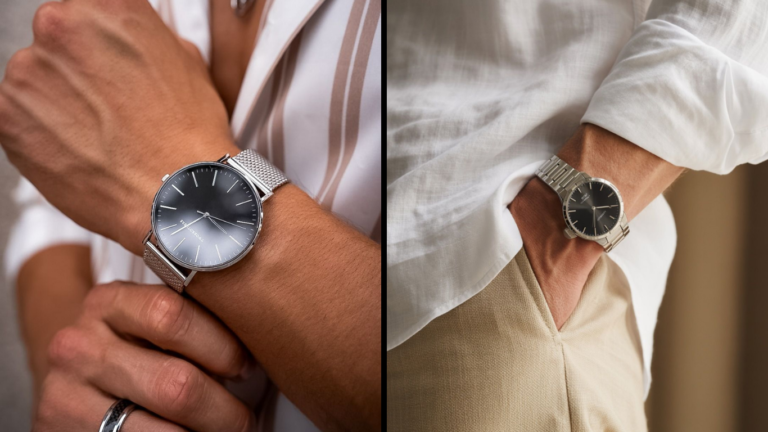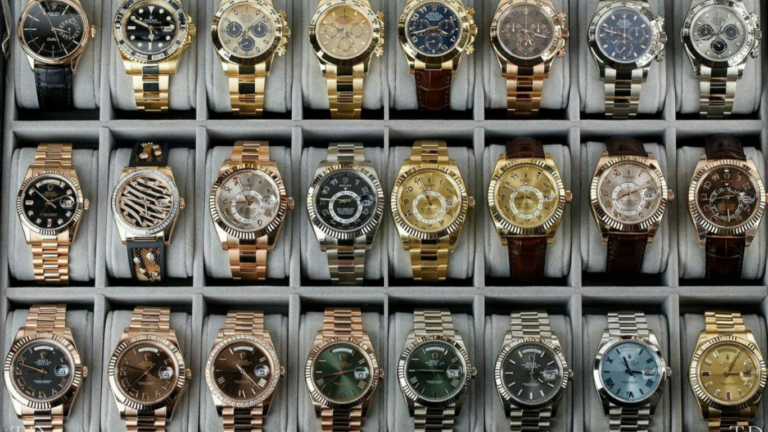
Smartwatch vs. Classic Watch: Which One Should You Buy?
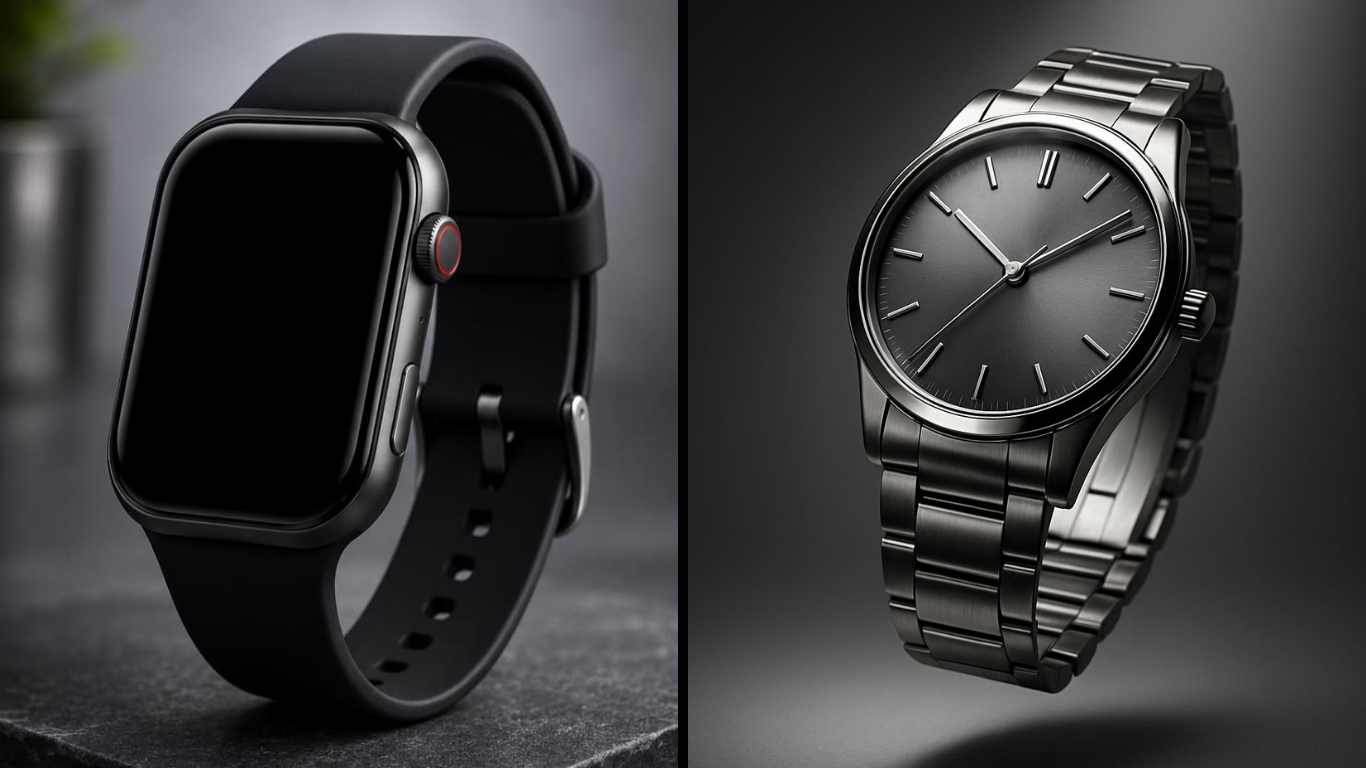
You’re standing in front of two very different purchases wearing the same shape. One tracks your heart rate, buzzes when a text comes in, and needs charging every night or two.
The other tells the time, nothing more, and might still be running in thirty years. Both cost roughly the same amount of money.
Only one of them will still work the same way a decade from now.
This isn’t really a question with one right answer, and anyone who tells you otherwise is selling something. I’ve worn both categories for years — a Garmin on runs, an Apple Watch through a few genuinely useful health scares, and a rotation of mechanical and quartz watches for everything else.
What follows is an honest, category-by-category comparison to help you figure out which one actually fits your life, or whether — like a lot of people — you end up wanting both for different reasons.
The Quick Answer
If you want fitness tracking, notifications, contactless payments, and don’t mind charging a device nightly, get a smartwatch.
If you want something that looks the same in ten years, never needs an app update, and carries actual resale or heirloom value, get a classic watch. If you can afford it, a lot of people end up owning one of each and wearing whichever suits the day — gym and travel days call for the smartwatch, dinner and formal days call for the classic watch.
What matters more to you, day to day — data, or design? That single question resolves most of this decision before you even read the comparison tables below.
At a Glance: Smartwatch vs. Classic Watch
| Category | Smartwatch | Classic Watch |
|---|---|---|
| Price range | $220–$800+ | $50–$500+ (this guide’s focus), unlimited beyond |
| Battery life | 18 hours (Apple Watch) to 14 days (Garmin) | None needed (mechanical), or 1–5 years (quartz battery) |
| Materials | Aluminum, stainless steel, titanium, glass/sapphire display | Stainless steel, titanium, gold, sapphire or mineral crystal |
| Movement/engine | Digital processor, sensors, OS | Quartz or mechanical (automatic/manual) |
| Design lifespan | 2–4 years before feeling dated | Decades to generations |
| Comfort | Heavier, thicker case; some report skin irritation | Generally slimmer and lighter |
| Water resistance | 50m typical, some models to 100m | 30m to 300m+ depending on the model |
| Maintenance | Software updates, battery degrades over 2–3 years | Battery swap (quartz) or servicing every 4–7 years (automatic) |
| Accuracy | Extremely accurate (network-synced) | Quartz: seconds/month. Automatic: seconds/day |
| Resale value | Poor — depreciates like electronics | Fair to strong for known brands; can appreciate |
| Repairability | Limited; often replace rather than repair | High; parts and watchmakers widely available |
| Best for | Fitness tracking, notifications, health monitoring | Style, longevity, formal occasions, collecting |
Price: Which Costs Less Over Time?
At the register, these two categories overlap more than people expect. A Samsung Galaxy Watch 8 starts around $220, an Apple Watch SE 3 around $249, and a Garmin Venu around $400 — squarely in the same range as a Seiko 5 Sports, a Citizen Tsuyosa, or a Tissot PRX.
The real difference shows up over time. A smartwatch is a piece of electronics with a defined lifespan — typically 3-5 years before battery degradation, discontinued software support, or simple obsolescence pushes you toward an upgrade. Budget for replacing it, not just buying it once.
A classic watch, particularly a mechanical one, has no such expiration date. The upfront cost might be similar, but a $400 automatic watch bought today could realistically still be running (with occasional servicing) when your kids are adults. A $400 smartwatch almost certainly won’t be.
Winner: Classic watch, for total cost of ownership.
Smartwatch, if you’re comparing the single-purchase price against the newest features.
Materials and Build Quality
Smartwatch cases are typically aluminum (budget models) or stainless steel and titanium (premium models), paired with a glass or sapphire crystal display that also functions as a touchscreen.
The materials are genuinely good, but the form factor — a large, flat rectangle or circle housing a battery and processor — limits how thin or elegant a smartwatch case can be, no matter the material.
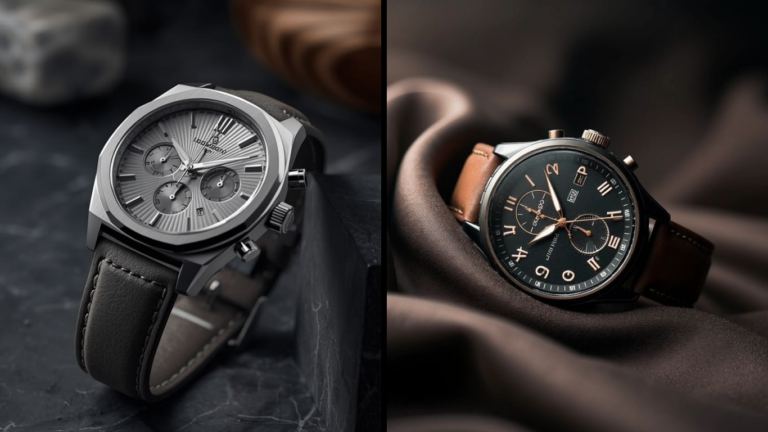
Classic watches offer a wider spread, from budget stainless steel to titanium, ceramic, and precious metals at the high end. Because there’s no screen or battery compartment to accommodate, cases can be shaped, tapered, and finished in ways that simply aren’t possible with a smartwatch.
This is where a lot of the “why does this cost so much for just telling time” skepticism dissolves once you handle a well-finished case in person — the difference in tactile quality between a stamped case and a properly machined and polished one is obvious within seconds.
Winner: Classic watch, for finishing and material variety. Tie on raw durability — both categories now commonly offer sapphire crystal and water resistance suitable for daily wear.
Design and Style Longevity
This is where the two categories diverge most sharply. Smartwatch design is tied to its generation — square or round touchscreen, visible bezel, silicone or fabric band — and while brands tweak proportions and materials each year, the fundamental look doesn’t age gracefully the way a well-designed mechanical watch does.
A five-year-old smartwatch photo reads as “old model.” A five-year-old (or fifty-year-old) classic watch photo often just reads as “watch.”
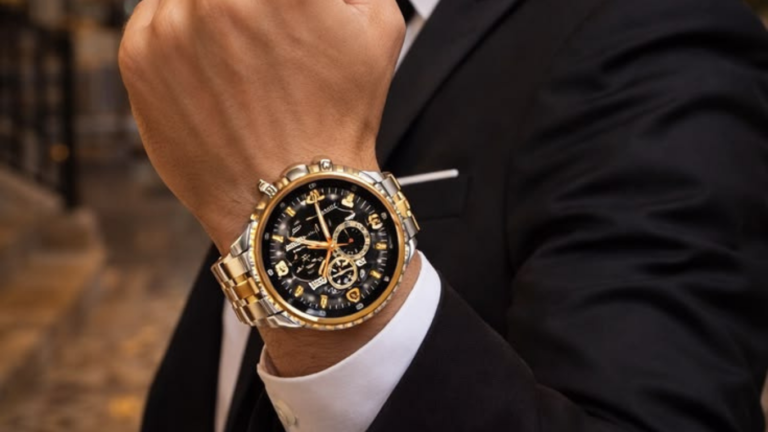
Classic watches also flex across formality in a way smartwatches generally can’t. Swap a leather strap onto a dress watch and it goes to a wedding; swap a NATO strap onto the same case and it goes hiking. A smartwatch, no matter the band, still reads as a smartwatch — useful for a gym session, conspicuous at a black-tie dinner.
Winner: Classic watch, for versatility and long-term style relevance.
Comfort and Everyday Wearability
Smartwatches carry more hardware on your wrist — battery, processor, sensors, sometimes a speaker and microphone — and it shows in the thickness and weight.
Most owners report no issue after an adjustment period, but a meaningful minority experience skin irritation from prolonged contact with the back sensor housing, particularly in humid climates or during exercise.
Classic watches, especially in the sub-42mm range, tend to sit lower and lighter on the wrist. Automatic watches carry a rotor and additional components that add some heft compared to a basic quartz watch, but even the thickest automatics in this price range rarely match the bulk of a modern smartwatch case.
Winner: Classic watch, for all-day comfort, particularly for smaller wrists. Smartwatches have narrowed this gap significantly in recent generations, but haven’t closed it.
Versatility and Everyday Function
This is the category where smartwatches win decisively, and it’s not close. A modern smartwatch tracks heart rate, sleep, steps, workouts, and in many cases blood oxygen and ECG readings; it delivers notifications, supports contactless payments, and in cellular models can make calls without a phone nearby.
None of that is available on a classic watch, full stop.
If your daily life involves structured workouts, health monitoring, or staying reachable without pulling out your phone constantly, a smartwatch does things a classic watch simply cannot. A classic watch’s “versatility” is stylistic rather than functional — the same watch might suit a boardroom and a bar, but it will never count your steps.
Winner: Smartwatch, unambiguously, for day-to-day functionality.
Maintenance and Long-Term Ownership
Smartwatches need charging every one to fourteen days, depending on the model (Apple Watch sits around 18 hours to 2 days; Garmin’s Venu and Fenix lines regularly claim 10-14 days).
Batteries degrade over 2-3 years of daily charge cycles, and software support eventually ends, effectively retiring the device even if the hardware still functions.
Classic watches split into two maintenance profiles. Quartz watches need a battery replacement every 1-5 years — a five-minute, low-cost job. Automatic watches need no battery but benefit from professional servicing every 4-7 years to keep the movement’s oils and components in good order, typically $75-200 depending on the movement’s complexity.
Winner: Classic watch, particularly quartz models, for minimal ongoing hassle. Automatic watches require more thought but reward it with genuine longevity.
Accuracy
Smartwatches sync time over the network, making them essentially perfectly accurate — down to the second, always. Classic watches vary by movement type: quartz watches typically run within 10-15 seconds per month, which is more than accurate enough for daily life, while mechanical automatic watches run within 10-25 seconds per day, depending on the movement’s quality — noticeable if you’re comparing against your phone, but irrelevant for actually living your life on schedule.
Winner: Smartwatch, on pure precision. In practice, the accuracy gap rarely matters to anyone who isn’t a watch enthusiast specifically chasing chronometer-grade performance.
Resale Value
Smartwatches depreciate like the electronics they are — expect to recover perhaps 30-40% of the original price within two years, and considerably less once a newer generation launches. They’re bought to be used, not held as an asset.
Classic watches, particularly from established brands like Seiko, Citizen, Tissot, and Orient, hold value more predictably, and select models from prestige brands can appreciate over time.
Even at the affordable end of the market, a well-kept automatic watch from a respected brand will typically fetch 40-60% of its original price years later — a real difference from a smartwatch’s steep depreciation curve.
Winner: Classic watch, decisively.
Read also: 15 Luxury Watch Brands That Are Actually Worth the Investment
Common Buying Mistakes
Assuming you need the most expensive model in either category. A $250 Garmin tracks a 5K run just as accurately as an $800 Apple Watch Ultra for the vast majority of casual athletes. A $250 Orient Bambino looks just as sharp with a suit as a $2,000 dress watch to everyone but a trained eye.
Buying a smartwatch and never actually using the health features. If you’re buying primarily for notifications and telling time, you’re paying a premium for sensors and software you won’t use — a classic watch or a basic fitness band would serve you better and cheaper.
Buying a classic watch expecting smartwatch functionality. This sounds obvious, but plenty of first-time buyers are disappointed to discover their new mechanical watch can’t track a run or show a text message. It was never designed to.
Ignoring how each category ages on your specific wrist. Try both on before buying if you can. Case thickness and lug-to-lug measurements matter more than the spec sheet suggests, especially for smaller wrists where a thick smartwatch case can look and feel disproportionate.
Underestimating ongoing costs. Smartwatches often come with subscription add-ons (cellular plans, premium fitness coaching) that add up. Automatic watches require budgeting for eventual servicing. Neither category is a true “buy once” purchase in the way people assume.
Who Should Buy a Smartwatch
- Runners, cyclists, and anyone training with structured workout plans
- People managing a health condition that benefits from continuous monitoring (heart rate irregularities, sleep issues)
- Anyone who wants to reduce phone-checking by handling notifications at a glance
- Frequent travelers who want contactless payment and connectivity on the wrist
- Buyers who don’t mind — or actively enjoy — upgrading their tech every few years
Who Should Buy a Classic Watch
- Anyone who wants a watch that still looks right in ten or twenty years
- Buyers attending formal events, weddings, or professional settings where a smartwatch reads as out of place
- People who want to avoid another device that needs daily or weekly charging
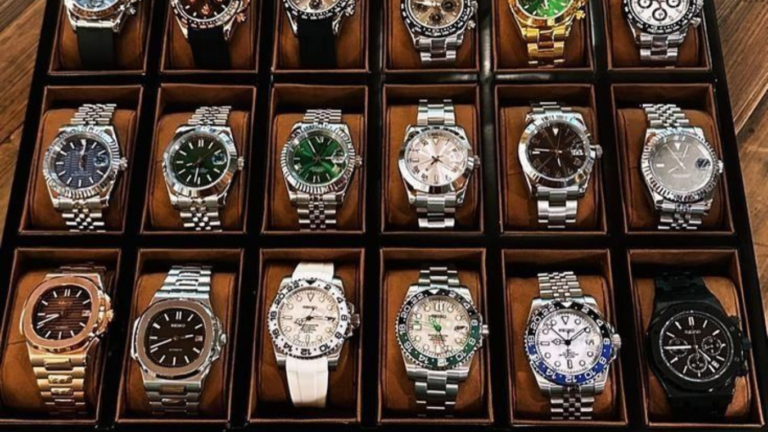
- Collectors, or anyone who values craftsmanship, mechanical engineering, and design history
- Buyers who want something with genuine resale or heirloom value
Frequently Asked Questions
Can a smartwatch replace a classic watch entirely? Functionally, yes — a smartwatch tells time and does far more. But it can’t replicate the formality, longevity, or mechanical appeal of a classic watch, which is why many owners keep both.
Is it worth buying both a smartwatch and a classic watch? For a lot of people, yes. A common approach is a smartwatch for workouts and daily tracking, and a classic watch for the office, formal events, and situations where a fitness tracker on your wrist looks out of place.
Do smartwatches lose value faster than classic watches? Significantly faster. Smartwatches depreciate like consumer electronics, often losing 60% or more of their value within two to three years, while classic watches from reputable brands hold value far better and occasionally appreciate.
Which is more accurate, a smartwatch or a mechanical watch? A smartwatch, by a wide margin, since it syncs time over the network. A mechanical watch will drift 10-25 seconds a day, which is invisible in daily life but measurable if you’re comparing directly.
How long does a smartwatch battery actually last? It depends heavily on the brand and usage. Apple Watch models typically need daily or every-other-day charging. Samsung’s Galaxy Watch line runs 1-2 days with typical use. Garmin’s fitness-focused lines (Venu, Fenix, Instinct) often claim 10-14 days in smartwatch mode, dropping significantly with heavy GPS use.
Do classic watches need a battery? Only quartz classic watches do, and that battery typically lasts 1-5 years. Automatic (mechanical) watches never need a battery — they’re powered by wrist movement and a wound mainspring.
Is an automatic watch less accurate than a quartz watch? Yes, meaningfully. Quartz movements are accurate to seconds per month; automatic mechanical movements are accurate to seconds per day. Neither will make you late for anything, but if pure precision matters to you, quartz wins clearly.
Can I wear a smartwatch to a wedding or formal event? You can, but it will look out of place next to a suit or formal dress in most settings. A classic dress watch is the safer, more traditional choice for formal occasions.
Which holds up better in water — a smartwatch or a classic dive watch? A dedicated classic dive watch, generally. Most smartwatches are rated for swimming (50m) but not sustained diving, while purpose-built dive watches like the Orient Kamasu or Tissot Seastar are rated to 200-300m with screw-down crowns designed for real underwater pressure.
Do smartwatches require a smartphone to work? Most functions require phone pairing, though cellular-enabled models (Apple Watch with LTE, certain Galaxy Watch models) can handle calls, texts, and some apps independently, usually with an added monthly plan cost.
What’s the environmental impact difference between the two? Classic watches, particularly mechanical ones, generally have a smaller long-term environmental footprint since a single watch can function for decades without replacement. Smartwatches, like all consumer electronics, contribute more to e-waste due to their shorter functional lifespan and battery-dependent design.
Final Verdict
There’s no universal winner here, and that’s the honest answer, not a dodge. If your priority is fitness tracking, health monitoring, and staying connected without pulling out your phone, a smartwatch is the clearly better tool — something like the Garmin Venu 4 if battery life and training data matter most, or the Apple Watch Series 11 if you’re deep in the Apple ecosystem and want the smoothest notifications experience.
If your priority is a watch that looks the same — or better — in twenty years, never needs charging (in the case of an automatic), and carries genuine style and resale value, a classic watch wins clearly. For a first purchase in that category, something like the Seiko 5 Sports or Citizen Tsuyosa gives you real mechanical credibility without a steep price of entry.
Would you actually use the health tracking every day, or would it just sit there logging steps you’ll never check? Be honest with yourself about that question, because it’s really the deciding factor. And if you’re genuinely torn, that’s not indecision — it’s a sign you’d get real use out of both, worn on different days for different reasons.
Read also: