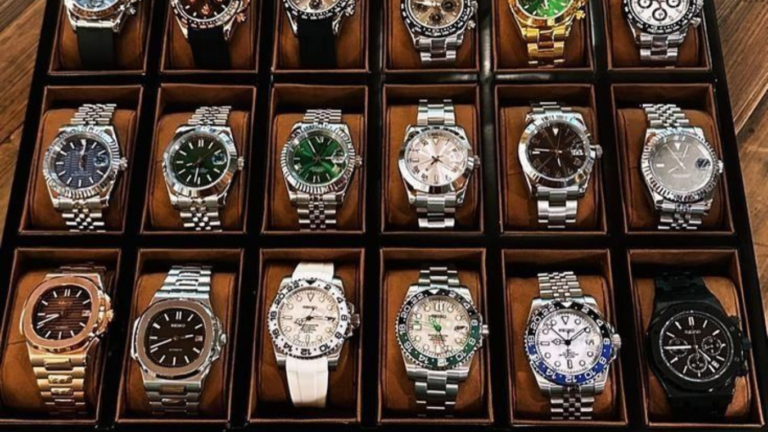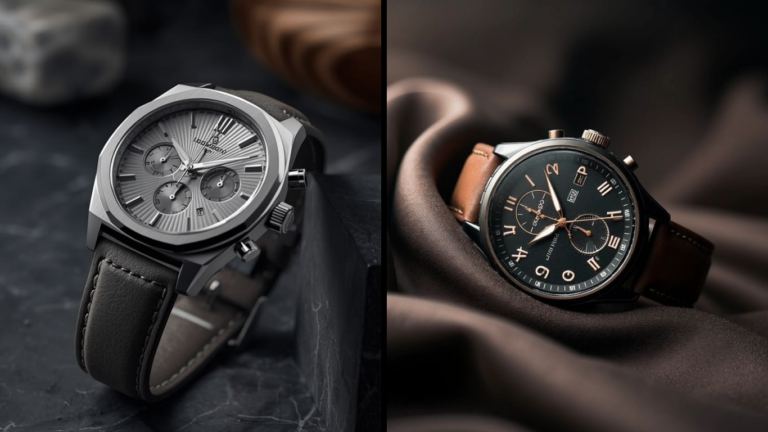
How to Style a Watch with Every Outfit: A Complete Guide
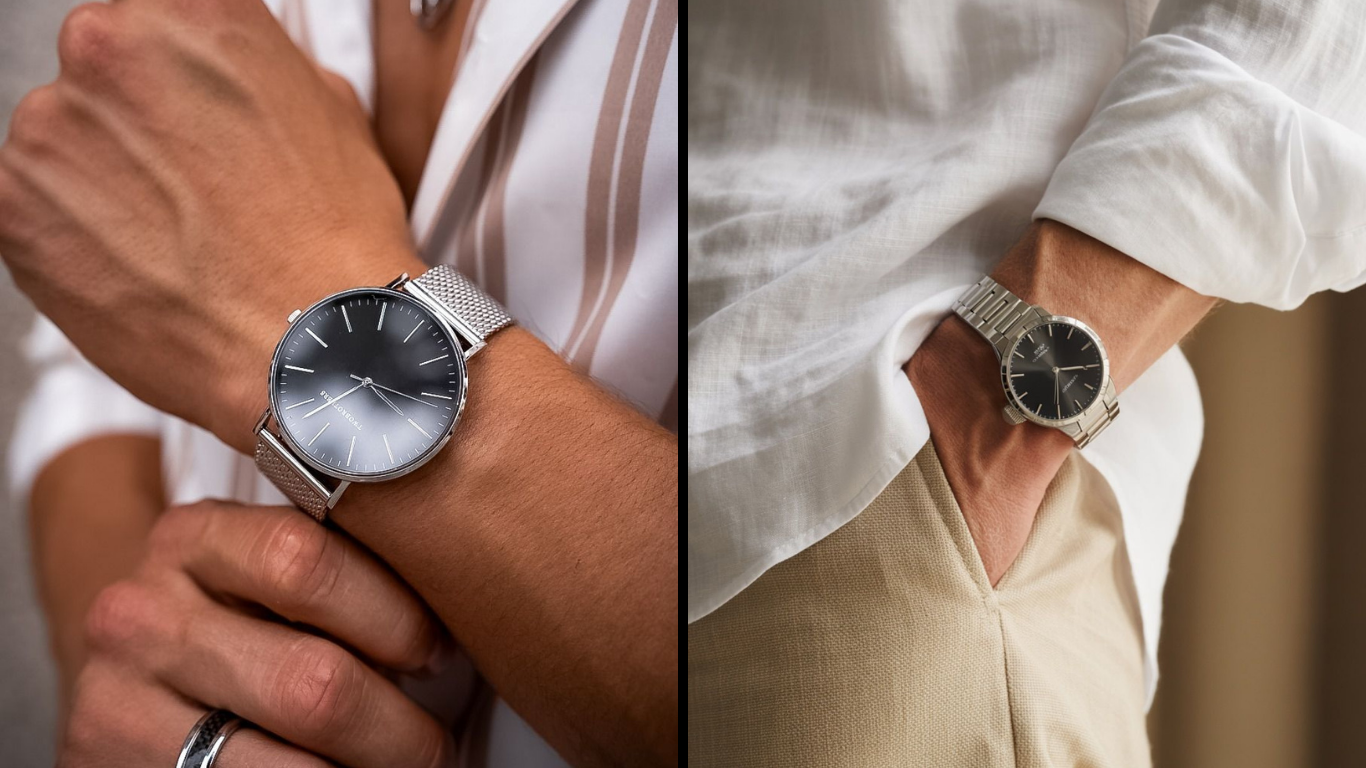
Here’s a scenario that plays out constantly: a guy owns three or four genuinely nice watches, and he wears the same one every single day, regardless of what he’s got on — a dive watch to a black-tie wedding, a chronograph with a suit, a dress watch to the gym.
Not because he doesn’t know better, but because nobody ever actually explained the logic behind matching a watch to an outfit. It’s treated like some instinct you’re supposed to already have.
You’re not supposed to already have it. It’s a skill, and it’s a genuinely simple one once you understand the handful of variables that actually matter: case material, strap or bracelet type, dial color, and overall formality.
Get those four things aligned with what you’re wearing, and any watch will look intentional instead of accidental.
This guide walks through exactly how to match a watch to every major type of outfit and occasion — from a boardroom to a beach, a black-tie wedding to a Tuesday at the gym — and explains the reasoning behind each pairing so you can start making these calls yourself instead of memorizing a chart.
The Four Things That Actually Determine Watch-Outfit Matching
Before getting into specific outfits, it helps to understand what you’re actually coordinating. Almost every styling mistake comes down to mismatching one of these four variables.
Formality level. A watch has a formality register just like clothing does. A thin dress watch on a leather strap reads formal. A chunky dive watch on a rubber strap reads casual. Mismatching these — a dive watch with a tuxedo, a dress watch with gym clothes — is the single most common styling error.
Metal and case finish. Gold or rose gold cases read more formal and traditional. Steel and titanium are read more versatile and modern. Matte, brushed finishes lean casual; polished, high-shine finishes lean dressier.
Strap or bracelet material. This might matter more than the watch itself. Leather straps are more formal than rubber or NATO straps. A metal bracelet sits in between — dressier than rubber, more versatile than leather, but slightly less formal than a sleek leather strap with a suit.
Dial color and complexity. Simple, clean dials (white, black, navy, no unnecessary sub-dials) read more formal. Busy dials with multiple complications, bright colors, or heavy branding read more casual and sporty.
Once you’re thinking in these four categories instead of “which watch matches,” styling becomes much more intuitive.
Styling a Watch for Business Formal (Suits, Interviews, Client Meetings)

This is where people most often overcorrect by wearing something too casual, thinking any “nice watch” will do. It won’t, if it’s the wrong type.
What works: A thin dress watch, ideally under 10mm thick, in steel or gold, on a leather strap, with a simple dial (three-hand, maybe a date window, nothing busier). Think a clean Cartier Tank, an Omega De Ville, a Rolex Datejust on a leather strap, or a more affordable option like a Longines Presence or Orient Bambino.
What to avoid: Dive watches, chronographs with busy sub-dials, oversized cases (over 42mm), and rubber or canvas straps. These read sporty or casual no matter how expensive they are, and in a formal business context, they’ll look slightly out of place, even if very few people consciously register why.
The metal-matching rule that actually matters: Match your watch case and buckle metal to your belt buckle and shoe hardware where possible. Gold watch with gold-toned belt buckle, steel watch with silver-toned hardware. It’s a small detail, but it’s one experienced dressers notice immediately when it’s off.
Would you actually reach for this watch on a day when you need to command a room? If the honest answer is no, it’s the wrong watch for the occasion.
Styling a Watch for Business Casual (Office Days, No Suit Required)

Business casual gives you more room to work with than full business formal, and this is where a steel sports watch really earns its versatility.
What works: Steel three-hand automatics in the 38-40mm range — a Rolex Datejust, Tudor Black Bay 36/39, Omega Aqua Terra, or a Seiko Presage. A GMT or simple chronograph also works here if the dial isn’t too busy. Metal bracelets are entirely appropriate in this context, more so than in full business formal.
What to avoid: Anything overtly sporty — dive watches with unidirectional bezels, oversized field watches, or anything on a rubber strap. It’s not that these are “wrong,” exactly, but they read more casual than the rest of a business-casual outfit typically wants.
Practical tip: If your office runs warmer toward casual Fridays, this is a good place to introduce a leather-strap field watch (Hamilton Khaki Field, for instance) for some texture variety without going full weekend-casual.
Styling a Watch for Smart Casual (Dinner, Drinks, Date Night)
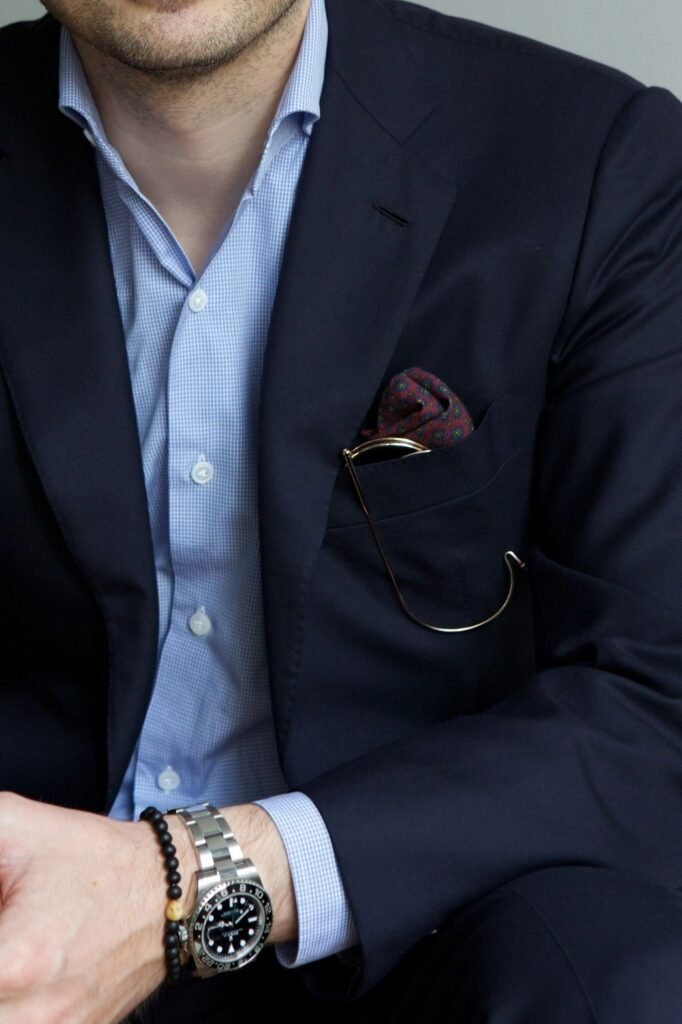
Smart casual is genuinely the most flexible category, and also where most men actually have the most fun experimenting.
What works: This is prime territory for an integrated-bracelet sports watch (Tissot PRX, Royal Oak if you’re fortunate enough to own one) or a chronograph on a leather strap. A slightly bolder dial color — navy, green, brown — works well here in a way it wouldn’t in full business formal.
What to avoid: Overly casual dive watches with thick rubber straps can undercut a smart-casual outfit that’s trying to look put-together. Similarly, an overly formal thin dress watch can occasionally look slightly stiff against a more relaxed blazer-and-jeans combination — not wrong, but worth considering the vibe you’re going for.
Date night specifically: This is a good occasion to wear something with a bit of personality — a colorful dial, an interesting strap texture (suede, textured leather) — since you’re not trying to project pure authority the way you might at work.
Styling a Watch for Casual and Weekend Wear
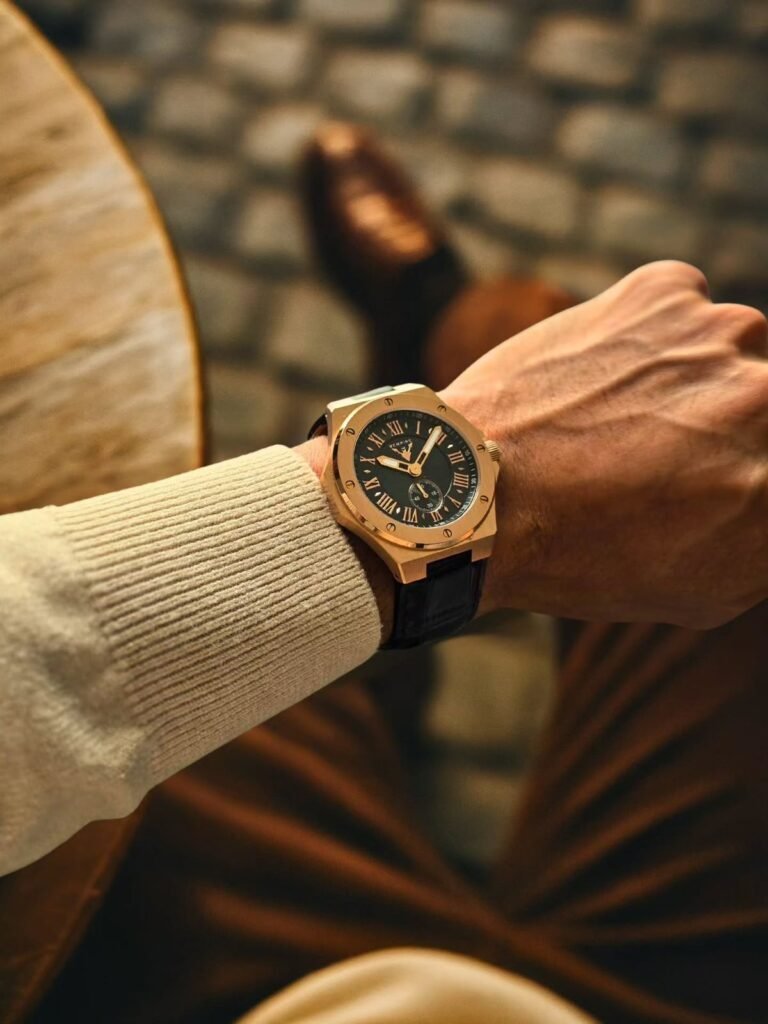
Weekends are where field watches, dive watches, and rugged chronographs genuinely belong, and where a business-formal dress watch can look slightly out of place.
What works: Field watches (Hamilton Khaki Field, Seiko 5), dive watches (Seiko Turtle, Tudor Black Bay, Omega Seamaster), and chronographs on NATO straps or rubber. This is also where color has the most room to play — bright dials, colorful NATO straps, and unusual case materials all feel appropriate.
What to avoid: A precious metal dress watch worn with jeans and sneakers can look mismatched — not because it’s against any rule, but because the formality gap between a gold dress watch and casual streetwear is usually too wide to bridge convincingly.
Weekend errands versus weekend social plans: For genuinely casual errands, almost anything durable works. For a more put-together weekend social outing (brunch, a casual outdoor event), an integrated bracelet sports watch or a clean field watch on leather bridges the gap nicely.
Styling a Watch for the Gym and Athletic Activities
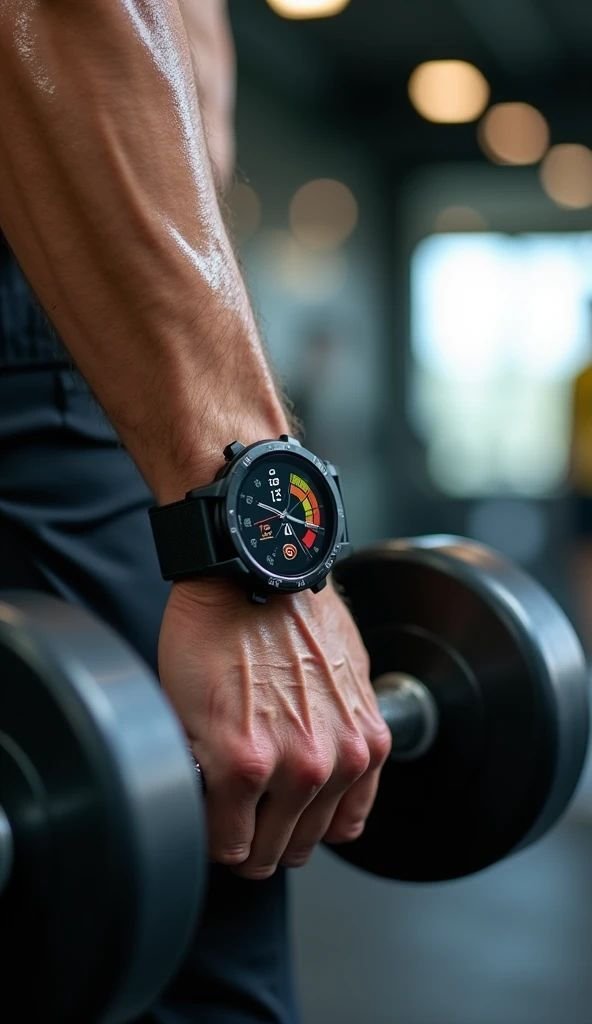
This is genuinely the one context where the “wear your nicest watch” impulse should be resisted entirely.
What works: A rugged quartz or solar watch built for impact and moisture resistance — a G-Shock, a Garmin or other fitness-focused smartwatch, or a genuinely sturdy dive watch on a rubber strap if you specifically want a mechanical piece.
What to avoid: Anything with a leather strap (sweat and leather don’t mix well long-term), any watch with significant monetary or sentimental value you’d be upset to damage, and anything without genuine shock resistance if your activity involves impact (weightlifting, contact sports).
A mistake beginners overlook: Automatic watches can actually be affected by high-impact repetitive motion (certain weightlifting movements, for instance) over time. It’s not a dealbreaker for most casual gym use, but if you’re doing serious lifting regularly, a quartz or rubber-strap piece built for it is the smarter daily choice.
Styling a Watch for Black-Tie and Formal Events (Weddings, Galas)
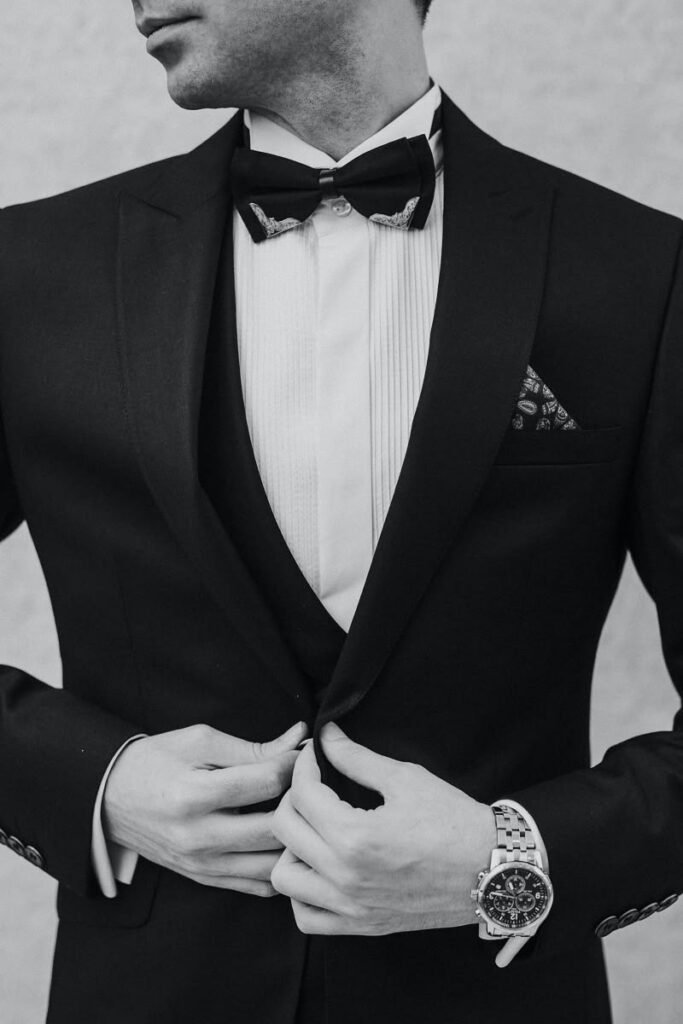
This is the most formal context you’ll dress for, and the watch rules tighten up accordingly.
What works: A thin dress watch, ideally in gold or steel with a simple dial, on a black or dark brown leather strap. Cartier Tank, a simple Patek Calatrava-style piece, or an accessible option like a Junghans Max Bill or Orient Bambino all work well. Some formal dress codes technically call for no visible watch at all, so a slim, unobtrusive piece is always the safer choice over anything bold or sporty.
What to avoid: Dive watches, chronographs, GMTs, colorful dials, rubber straps, and oversized cases are all out of place here. Even an otherwise beautiful watch will look wrong if it reads as sporty in a black-tie context.
A common buying mistake: Some men buy one watch intending it to handle every formal occasion and pick something slightly too sporty as a compromise. If you regularly attend genuinely formal events, it’s worth having one dedicated slim dress watch rather than stretching a do-everything sports watch to cover this occasion too.
Styling a Watch for Travel
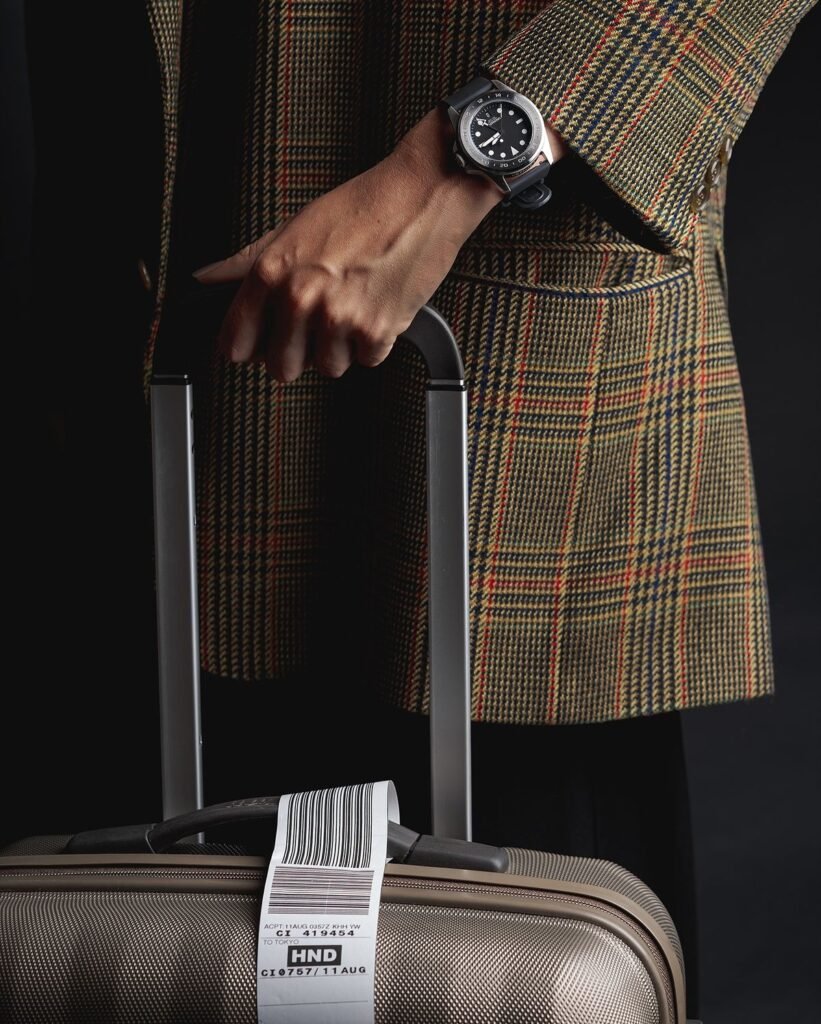
Travel has its own specific practical demands beyond just aesthetics.
What works: A GMT watch (Rolex GMT-Master II, Tudor Black Bay GMT, or a more affordable Seiko or Citizen GMT) genuinely earns its keep here — the second time zone function is one of the few watch complications with real, constant practical use while traveling. Beyond that, a versatile steel sports watch that can handle both daytime sightseeing and a nicer dinner is the smart single-watch travel choice.
What to avoid: Precious metal dress watches, while beautiful, carry more risk (loss, theft, damage) while traveling than most people want to take on. A rugged, versatile steel watch is the safer travel companion.
Practical tip: If you’re bringing only one watch on a trip, pick the most versatile piece you own rather than your dressiest or most casual — you want something that can handle a business dinner and a day of walking equally well.
Styling a Watch for Summer
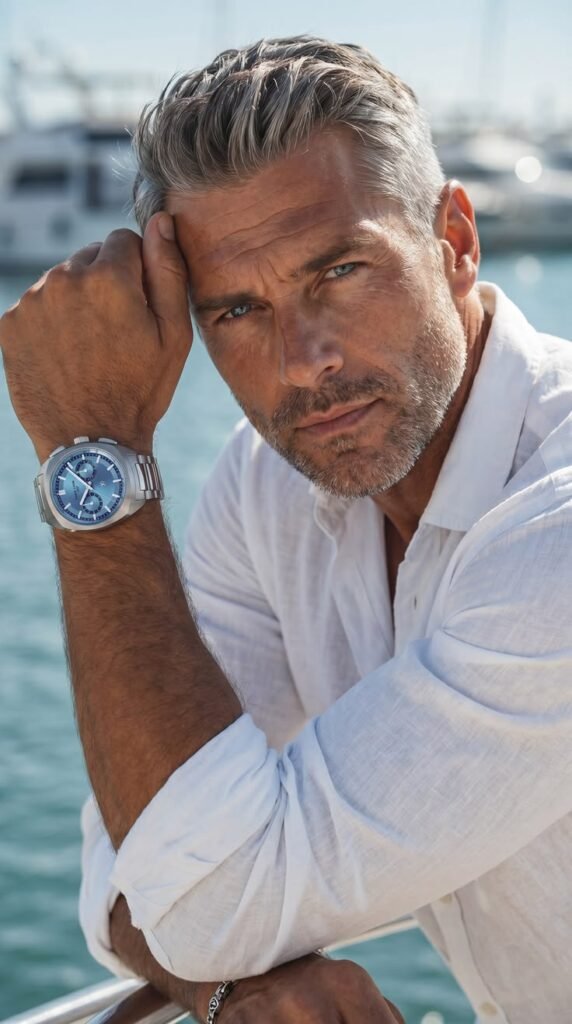
Warm weather changes both material choices and color psychology.
What works: Lighter dial colors, rubber or perforated leather straps that breathe better, and genuinely water-resistant pieces if you’re near a pool or beach. A dive watch on a rubber strap is a natural summer choice, and NATO straps in lighter colors work well with short sleeves and lighter fabrics generally.
What to avoid: Dark, heavy leather straps can feel visually and physically heavier in summer heat, and precious metal pieces can feel slightly mismatched against very casual summer clothing (swim trunks, tank tops).
Styling a Watch for Winter
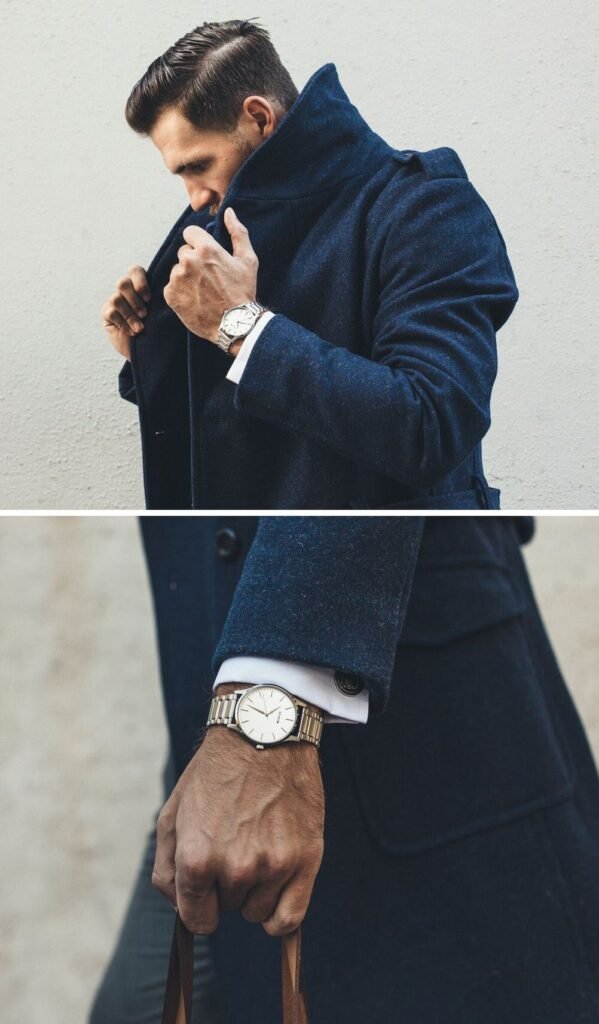
Cold weather flips some of the summer logic.
What works: Darker dial colors, heavier leather or suede straps, and gold or warmer-toned metals pair naturally with the heavier fabrics (wool, tweed, flannel) common in winter outfits. A field watch or dress watch on a rich brown leather strap works particularly well with winter coats and knitwear.
What to avoid: Very thin summer-weight straps can look slightly out of place against heavy winter coat sleeves, and bright, warm-weather colorways can feel visually mismatched against darker winter palettes.
Comparing Watch Types by Occasion
| Watch Type | Best For | Avoid For | Typical Strap |
|---|---|---|---|
| Dress watch | Business formal, black tie, weddings | Gym, casual weekends | Leather |
| Dive watch | Weekends, travel, summer, pool/beach | Black tie, formal business | Rubber, bracelet, NATO |
| Field watch | Casual, business casual, travel | Black tie | Leather, canvas, NATO |
| Chronograph | Smart casual, business casual | Full black tie (context-dependent) | Leather, bracelet |
| GMT | Travel, business casual | Black tie | Bracelet, leather |
| Integrated bracelet sports watch | Smart casual, business casual | Athletic activities | Integrated bracelet |
| Smartwatch/fitness watch | Gym, athletic activities | Black tie, formal business | Silicone, sport band |
Common Mistakes When Styling a Watch
Wearing the same watch regardless of the outfit. This is the single biggest mistake, and it’s almost always a matter of not realizing a wardrobe of even two or three watches (one dressy, one casual, one sporty) covers the vast majority of situations far better than one watch trying to do everything.
Ignoring strap material as a styling lever. Many men own one watch and never consider that swapping the strap (leather for a dressier look, NATO or rubber for casual) can meaningfully expand how many outfits and occasions that single watch can convincingly cover.
Overlooking case size relative to wrist size and outfit formality. An oversized case can look slightly at odds with a slim-cut formal suit, just as an undersized case can look lost against a heavier winter coat sleeve. Consider proportion, not just personal preference, when picking what to wear for a specific outfit.
Matching metals incorrectly. Wearing a gold watch with silver-toned belt buckles, cufflinks, or glasses frames creates a subtle but noticeable clash. Keep metal tones consistent across your accessories when you can.
Forgetting that “nice” doesn’t automatically mean “appropriate.” An expensive dive watch is still a sporty watch. Price doesn’t override formality — a $10,000 Submariner is still, formally speaking, more casual than a $500 dress watch on a leather strap.
Building a Watch Wardrobe: Practical Advice
If you’re building out a small collection specifically for versatility across outfits, prioritize in this order:
First watch: A versatile steel sports watch in the 38-40mm range — something like a Tudor Black Bay, Omega Aqua Terra, or a more affordable Seiko 5 Sports or Tissot PRX. This single watch will cover business casual, smart casual, and weekend wear convincingly.
Second watch: A slim dress watch for business formal and black-tie occasions — a Cartier Tank, Longines Presence, or Orient Bambino, depending on budget. This fills the one gap your sports watch can’t convincingly cover.
Third watch: A genuinely rugged piece for the gym, travel, and outdoor activity — a G-Shock, a dive watch on rubber, or a fitness-focused smartwatch, depending on how central athletic activity is to your routine.
With just these three, you’ve got every major occasion covered without needing a dozen watches sitting mostly unused in a drawer.
Frequently Asked Questions
Can I wear the same watch with every outfit? You can, but it will look genuinely appropriate for some outfits and slightly mismatched for others. A versatile steel three-hand automatic gets you the closest to true one-watch versatility, but even that has limits at the very formal (black tie) and very casual (gym) ends of the spectrum.
Should my watch match my belt and shoes? The metal tones (gold, silver, steel) should ideally match across your watch case, belt buckle, and shoe hardware. The strap color, meanwhile, works well when it roughly coordinates with your shoe and belt leather color, especially in business and formal settings.
Is it okay to wear a dive watch with a suit? It depends on the suit’s formality and the dive watch’s design. A slim, dressier dive watch (Omega Seamaster on a bracelet, for instance) can work with a business-casual suit, but a chunky, heavily sporty dive watch will generally clash with anything approaching black tie or formal business wear.
What size watch should I wear with a suit? 38-40mm is the safest range for most business and formal contexts — large enough to be visible and substantial, small enough to sit neatly under a dress shirt cuff.
Do smartwatches work with business or formal outfits? Generally, no, unless the smartwatch specifically has a formal-looking analog watch face and a leather band, in which case it can pass reasonably well in business-casual settings. Most smartwatches read as athletic or tech-forward, which clashes with true business formal or black-tie contexts.
How many watches do I actually need for a versatile wardrobe? Three genuinely covers almost every situation: one versatile steel sports watch for daily and business-casual wear, one slim dress watch for formal occasions, and one rugged piece for athletic activity and rough use.
Should I match my watch strap to my belt? It’s a nice touch when you can manage it, particularly in business and formal contexts, but it’s not a hard rule. Matching the general tone (dark brown leather strap with dark brown leather belt, for instance) matters more than an exact color match.
Is it acceptable to wear a watch to a black-tie wedding? Yes, as long as it’s a slim, understated dress watch on a leather strap. A sporty or oversized watch will genuinely clash with black-tie formality, so this is one occasion where restraint really matters.
What watch works best for someone who travels frequently for work? A GMT watch offers real practical value for tracking a second time zone, and pairing that function with a versatile steel case means it transitions well between business meetings and casual travel days.
Does dial color matter for matching an outfit? Yes, though less strictly than material or formality. Neutral dial colors (black, white, navy, silver) are the most versatile across outfits, while bold colors (bright blue, green, orange) work best in casual and smart-casual contexts rather than formal business or black-tie settings.
Final Verdict
If you only take one thing from this guide, let it be this: formality, not price, is the variable that actually determines whether a watch matches an outfit. A well-chosen $300 field watch on the right strap will look more appropriate with a weekend outfit than an ill-suited $10,000 dive watch would, and the reverse is just as true for business formal or black-tie occasions.
Start by identifying the two or three types of outfits you dress for most often, then build (or select from what you already own) accordingly — a versatile sports watch for daily and business-casual wear, a slim dress watch if formal occasions come up regularly, and a rugged piece if your lifestyle actually calls for one. Get those fundamentals right, and matching a watch to any outfit stops being a guessing game and starts being second nature.
Read also: