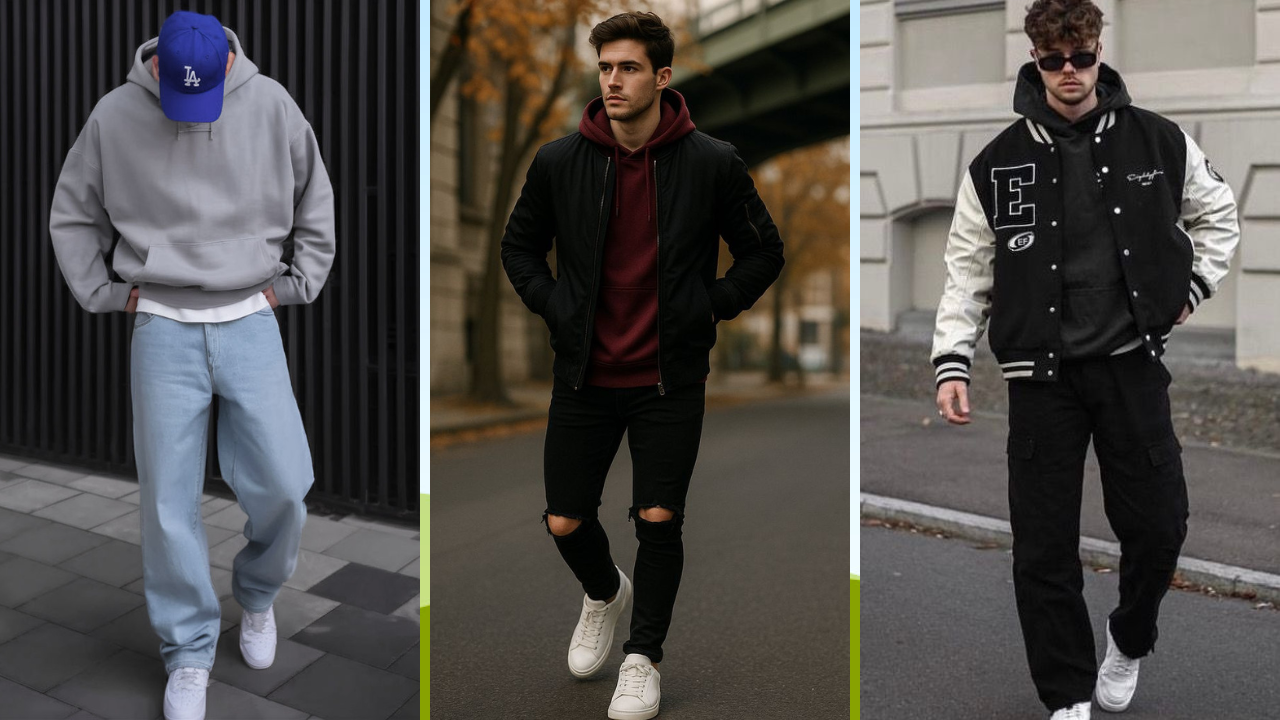
Your weekends should feel like a break from the work week, but that doesn’t mean your style needs to take a day off.
You’ve probably noticed how some guys seem to effortlessly stand out at weekend gatherings, coffee shops, or casual outings—not because they’re wearing loud patterns or flashy brands, but because they look intentional and confident.
Meanwhile, you might be defaulting to the same worn hoodie and gym shorts combo, wondering why you feel invisible.
Here’s the truth: getting noticed on weekends isn’t about dressing up or trying to impress everyone you see. It’s about looking like the best version of yourself in situations where most men put in zero effort.
When everyone else is wearing whatever rolled out of the laundry basket, even modest attention to fit, color, and style makes you memorable.
This guide breaks down weekend outfit combinations that strike the perfect balance—comfortable enough for relaxed activities but polished enough to turn heads and make genuine impressions.
No formal wear, no overthinking, just strategic casual style that gets you noticed for the right reasons.
Why Weekend Style Actually Matters More Than You Think
Weekends are when real life happens. You’re meeting friends, going on dates, exploring your city, attending social events, and encountering people in relaxed settings where authenticity matters.
Unlike work environments with dress codes and expectations, weekends reveal who you actually are—and your clothing choices communicate volumes about how you see yourself.
The weekend paradox is that while the stakes feel lower, the opportunities for genuine connection are higher.
That woman at the farmers market, the potential friend at the coffee shop, the networking contact at the casual Sunday brunch—these interactions happen when you’re supposedly “off duty.”
If you look sloppy or completely disengaged from your appearance, you’re signaling that you don’t value yourself enough to present well even when no one’s forcing you to.
Getting noticed doesn’t mean being the loudest person in the room or wearing attention-grabbing outfits.
It means looking put-together when others don’t, showing personality through intentional choices, and demonstrating that you care about how you move through the world.
In a sea of athletic shorts and wrinkled t-shirts, even a well-fitted henley and clean jeans make you stand out as someone who has his life together.
Weekend style also affects your mindset. When you look good, you feel more confident approaching people, trying new activities, and putting yourself in social situations.
The alternative—avoiding events because you “don’t have anything to wear” or feeling self-conscious in rumpled clothes—limits your life in ways that compound over time. Your weekend wardrobe directly impacts your weekend experiences.
The Foundation: What “Getting Noticed” Actually Means
Getting noticed for your style doesn’t mean everyone stops and stares. It means people register you as someone who cares about his appearance, remembers you positively after brief interactions, and feels drawn to engage with you. It’s subtle social magnetism created through visual presentation.
First impressions form in seconds. Research consistently shows people make judgments about competence, trustworthiness, and attractiveness within the first few seconds of seeing someone. Your weekend outfit is often the first information people receive about you. A sharp, intentional look creates a positive halo effect that influences all subsequent interactions.
Standing out through subtlety is the goal. You’re not trying to look like you walked off a runway or dressed for a photoshoot. You’re aiming for “effortlessly put-together”—the impression that looking good comes naturally to you without trying too hard. This balance is tricky but achievable through fit, quality basics, and understated confidence.
Context-appropriate excellence matters enormously. Looking great at a backyard barbecue means something different than looking great at an art gallery opening. Weekend looks that get you noticed are calibrated to their environment—elevated enough to stand out but appropriate enough not to seem out of place. You’re aiming to be the best-dressed person without being the most formally dressed.
Personality through details separates memorable style from generic outfits. The specific shade of your sweater, the texture of your jacket, your choice of footwear, the way you roll your sleeves—these details communicate individuality within established style frameworks. People might not consciously notice each detail, but collectively they create an impression of someone with personal style rather than someone following a uniform.
Look #1: The Elevated Coffee Run
The outfit: Fitted oatmeal crewneck sweatshirt + black slim jeans + white leather low-top sneakers + black minimalist watch + small crossbody bag or leather backpack
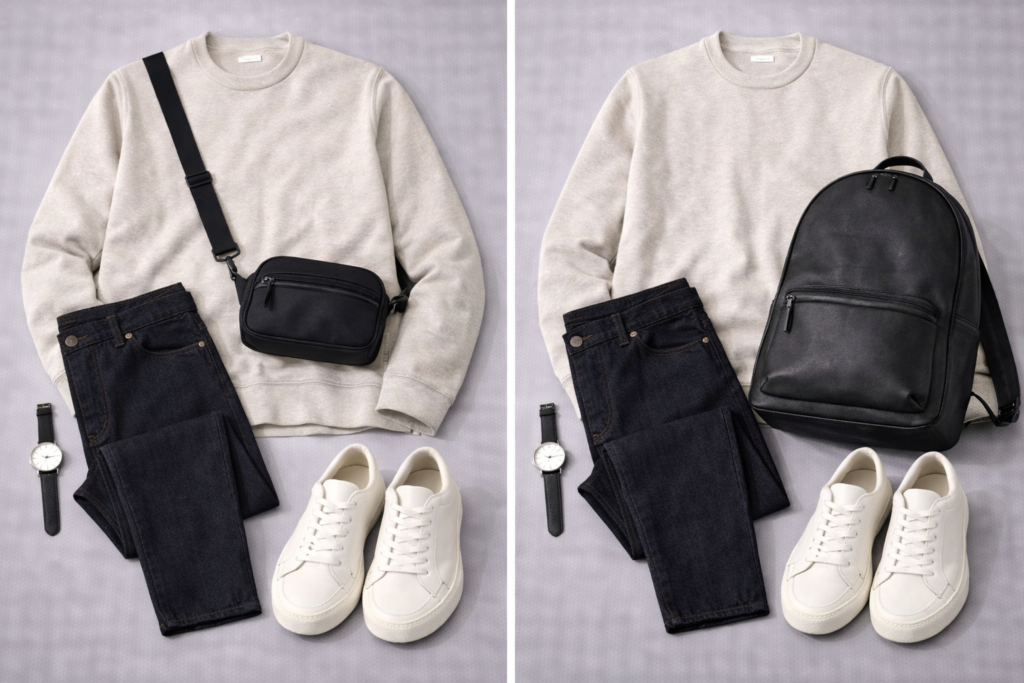
This look works because it takes casual weekend staples and executes them with precision. The oatmeal sweatshirt is neutral but more interesting than basic gray.
The fit is crucial—it should follow your torso’s shape without being tight, with sleeves ending at your wrist and the hem hitting at your hip. Black jeans create a sleek bottom half that elongates your silhouette.
White sneakers provide clean contrast and show you pay attention to details (they’re obviously maintained, not scuffed or dirty).
Why it gets you noticed: In a coffee shop full of oversized hoodies and baggy sweats, this outfit’s tailored fit and color intentionality make you look like you have somewhere to be and something to do, even if you’re just grabbing a latte. The monochromatic lower half (black jeans and black details on white sneakers) creates a streamlined look that photographs well and appears more expensive than it might be.
When to wear it: Saturday morning coffee runs, casual weekend brunch, running errands but wanting to look approachable, grocery shopping in neighborhoods where you might run into people, working from a coffee shop, any relaxed daytime activity.
Style upgrade: Swap the sweatshirt for a lightweight crew neck sweater in merino wool for slightly more polish. Add a denim trucker jacket in a medium wash for texture and warmth. Replace white sneakers with tan suede low-tops for an earthier vibe. The structure remains, but these swaps shift the aesthetic slightly.
Look #2: The Casual Date-Ready Outfit
The outfit: Fitted charcoal henley + dark indigo jeans + brown leather Chelsea boots + brown leather watch + lightweight bomber jacket in navy or olive
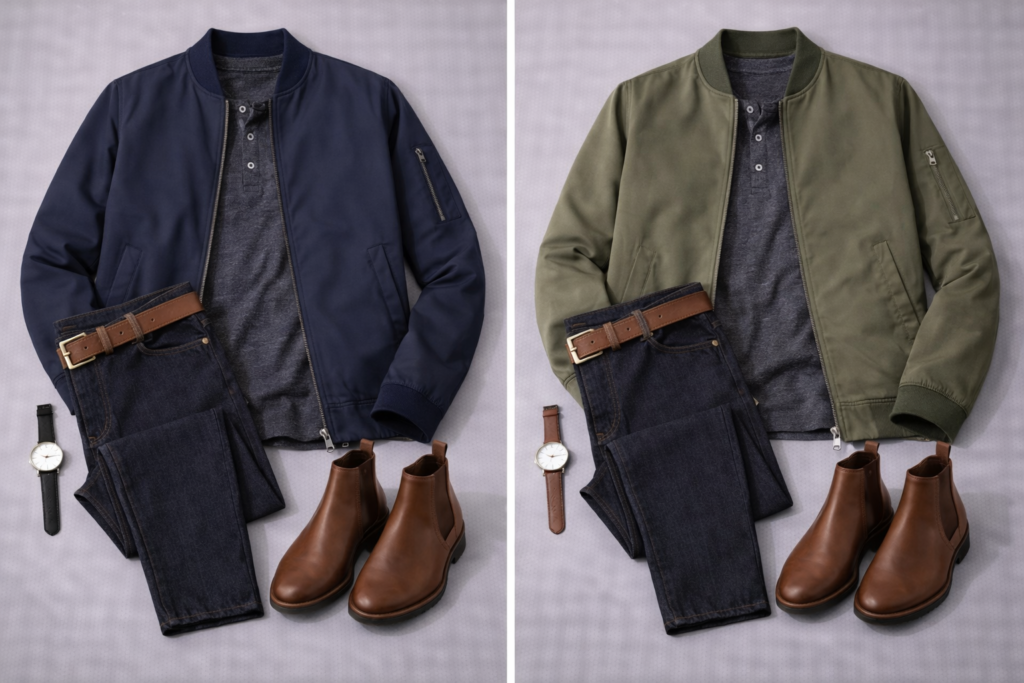
The henley is an underutilized piece that bridges t-shirts and button-downs perfectly. The partial button placket adds visual interest and a hint of vintage appeal.
Charcoal gray is more sophisticated than basic heather gray while remaining neutral and versatile.
Dark indigo jeans—not black, not faded—hit the sweet spot of casual but intentional. Brown Chelsea boots elevate the entire outfit beyond sneaker-casual while remaining relaxed enough for weekend wear.
Why it gets you noticed: This outfit demonstrates attention to detail without trying too hard. The henley’s buttons, the brown leather accents, the textural bomber jacket—each element adds interest while maintaining cohesion. It’s date-appropriate without screaming “I’m on a date,” which is exactly the balance you want. You look like you always dress this well, not like you made special effort.
When to wear it: First dates, evening drinks with friends, dinner at casual restaurants, art gallery openings, concerts, early evening weekend activities, any situation where you want to look good without formal clothing.
Fit notes: The henley should fit like a well-tailored t-shirt—close to your body without restriction. Leave the top button or two undone for a relaxed look. The jeans should taper from knee to ankle to complement the sleek line of Chelsea boots. The bomber jacket should be slim-fitting through the body—avoid boxy or oversized cuts that add bulk.
Style upgrade: Replace the henley with a chambray button-down worn with the top two buttons undone and sleeves rolled for a slightly preppier vibe. Swap the bomber for a suede trucker jacket in tan or olive for more texture. Add a simple silver chain or leather bracelet for subtle personality.
Look #3: The Weekend Explorer
The outfit: Olive or burgundy long-sleeve Henley + khaki chinos + minimalist hiking boots or rugged leather boots + field jacket or utility jacket + canvas backpack
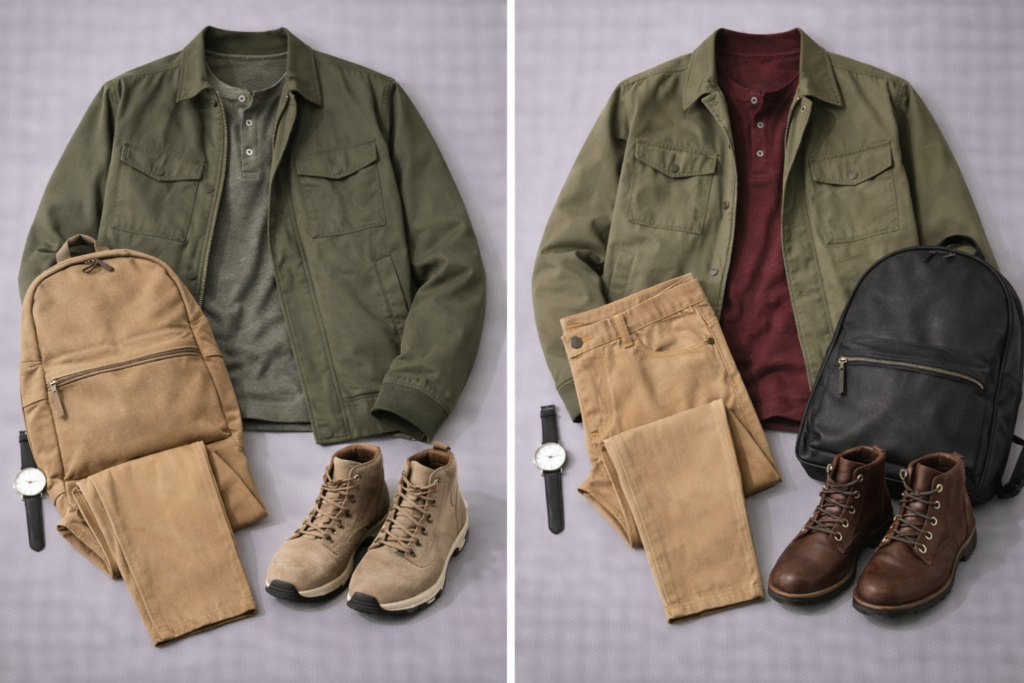
This look channels weekend adventure energy while maintaining style credibility. The colored henley (olive or burgundy instead of basic gray) adds warmth and personality.
Khaki chinos in a slightly relaxed but tapered fit work for actual activity while looking infinitely better than cargo pants or athletic wear. Rugged boots signal you’re ready for whatever the day brings, while the field jacket provides practical layering with style heritage.
Why it gets you noticed: This outfit tells a story—you’re someone who does things on weekends, who explores, who values function but doesn’t sacrifice form. The earth tone palette (olive, khaki, brown) feels cohesive and masculine without being costume-like. In urban environments where most weekend wear leans athletic or sloppy, this outdoors-inspired aesthetic stands out as refreshingly intentional.
When to wear it: Farmers markets, outdoor festivals, hiking or nature walks, brewery visits, casual day trips, antique or thrift shopping, weekend projects around town, any active weekend pursuit.
Practical considerations: Choose actual functional pieces—the jacket should have useful pockets, the boots should be comfortable for walking, the backpack should carry what you need. This outfit works because it’s genuine, not costume. If you’re actually wearing these clothes for their intended purposes, that authenticity comes through.
Style upgrade: Layer a denim shirt under the field jacket with the henley for extra warmth and visual depth. Swap khaki chinos for olive or gray for a more urban interpretation. Add a beanie in charcoal or burgundy in colder weather for practical style.
Look #4: The Effortless Weekend Evening
The outfit: Black merino crew neck sweater + gray wool trousers (or premium gray chinos) + black leather minimalist sneakers or black Chelsea boots + simple silver watch + black leather jacket (optional)
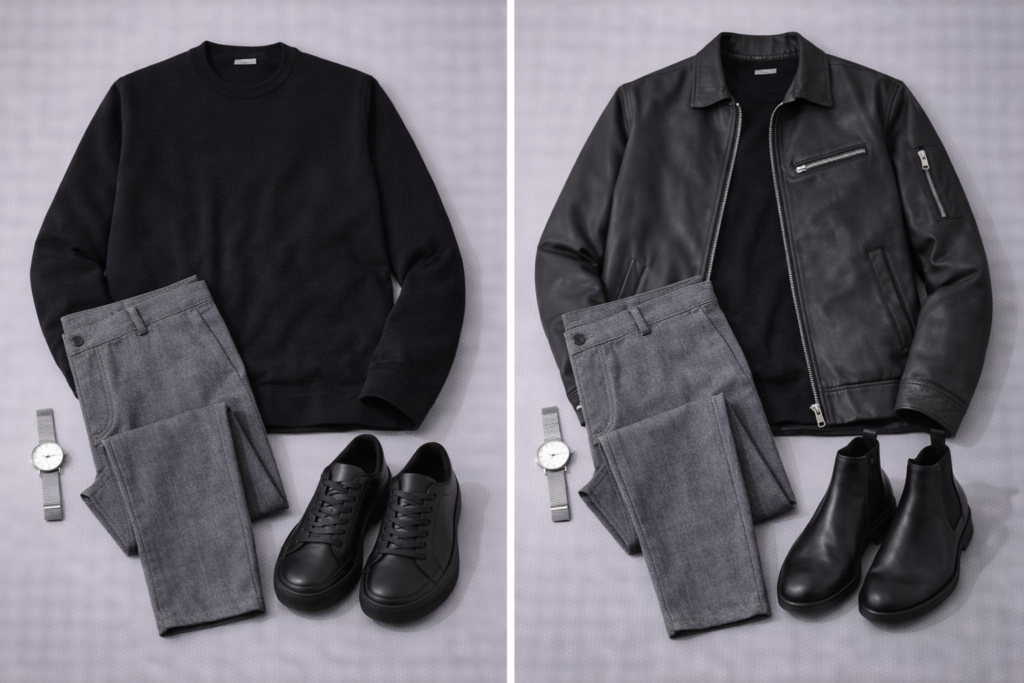
This monochromatic approach creates instant sophistication with minimal effort. The black sweater in quality merino wool looks expensive and feels comfortable.
Gray trousers—either tailored wool or premium chinos—provide just enough formality to signal evening rather than daytime while remaining weekend-appropriate. All-black or black-and-gray outfits photograph extremely well and create a sleek, modern silhouette.
Why it gets you noticed: Monochromatic dressing is a shortcut to looking put-together because it eliminates the challenge of coordinating colors. The tonal palette creates a cohesive, intentional appearance that suggests confidence and style knowledge. This outfit works equally well at upscale lounges, nice restaurants, evening events, or sophisticated gatherings—versatility that gets you noticed by being appropriately dressed wherever you go.
When to wear it: Evening dinner reservations, cocktail bars, night markets, theater or live music, art openings, more formal social gatherings, date nights at upscale-casual venues.
Texture is crucial: In monochromatic outfits, varying textures prevents looking flat. The merino sweater has a subtle sheen, the wool trousers have structure, the leather boots or sneakers add another textural layer. If adding the leather jacket, you’ve introduced three distinct textures in the same color family—this creates visual interest without color complexity.
Style upgrade: Add a charcoal or light gray overcoat in colder months for dramatic effect. Swap the crew neck for a black turtleneck for a more refined aesthetic. Replace sneakers with polished black dress shoes if the evening calls for additional formality.
Look #5: The Textured Neutral
The outfit: Cream cable-knit sweater + tobacco brown corduroy pants + tan suede desert boots + camel wool overcoat (in cold weather) + brown leather watch
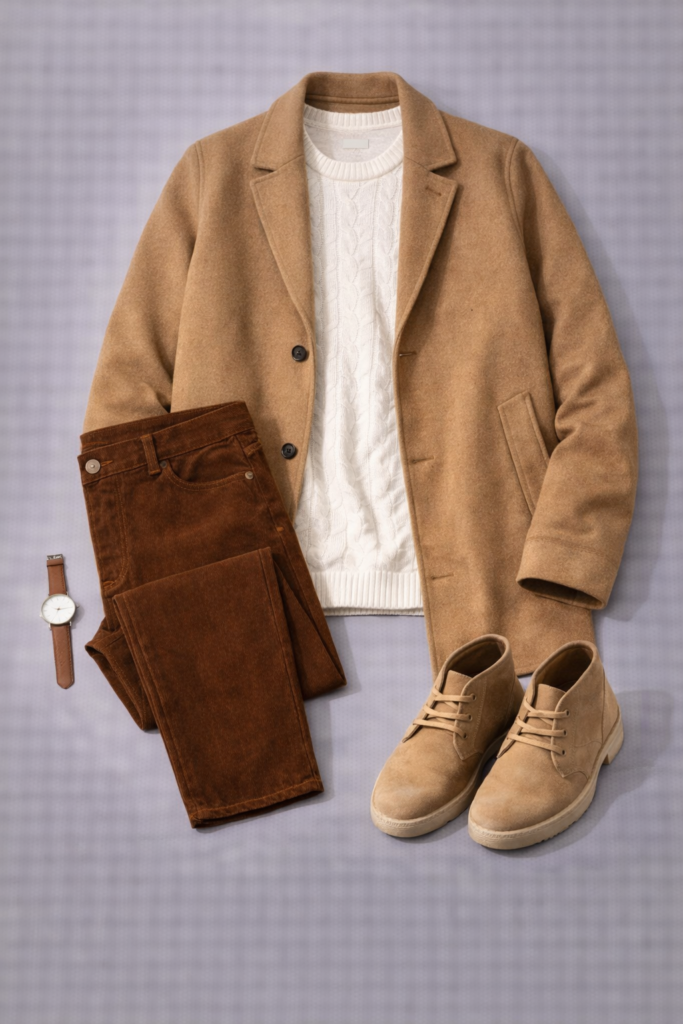
This earth-tone palette with rich textures creates visual warmth perfect for fall and winter weekends. The cable-knit sweater adds dimensional texture that photographs beautifully. Corduroy introduces vintage appeal and works particularly well in brown or tobacco shades. Tan suede boots complement the warm palette while maintaining casual approachability. The optional camel overcoat transforms this from good to exceptional.
Why it gets you noticed: Texture and tone create sophistication without relying on patterns or bold colors. This outfit demonstrates style knowledge—understanding that playing with texture within a cohesive color palette creates depth and interest. The warm, approachable colors make you seem friendly and confident, while the coordination shows intentionality. It’s Instagram-worthy without looking like you’re trying to be.
When to wear it: Fall and winter weekends, coffee shop dates, bookstore browsing, casual lunch meetings, Thanksgiving gatherings, autumn walks, apple picking, seasonal activities, transitional weather outings.
Seasonal specificity: This look is inherently autumn/winter because of the fabrics and weight. Don’t try to force cable-knit and corduroy into summer—seasonal appropriateness is part of what makes outfits noticeable in positive ways. Wearing heavy fabrics in warm weather suggests you don’t understand context.
Style upgrade: Add a burgundy or forest green scarf for a pop of color against the neutral base. Replace the sweater with an oatmeal or cream flannel shirt for a more rugged interpretation. Swap desert boots for leather Chelsea boots in cognac or chocolate brown for elevated polish.
Look #6: The Athletic-Inspired (Done Right)
The outfit: Fitted navy or forest green hoodie + black tapered joggers + white or black leather sneakers + denim jacket + simple nylon crossbody bag
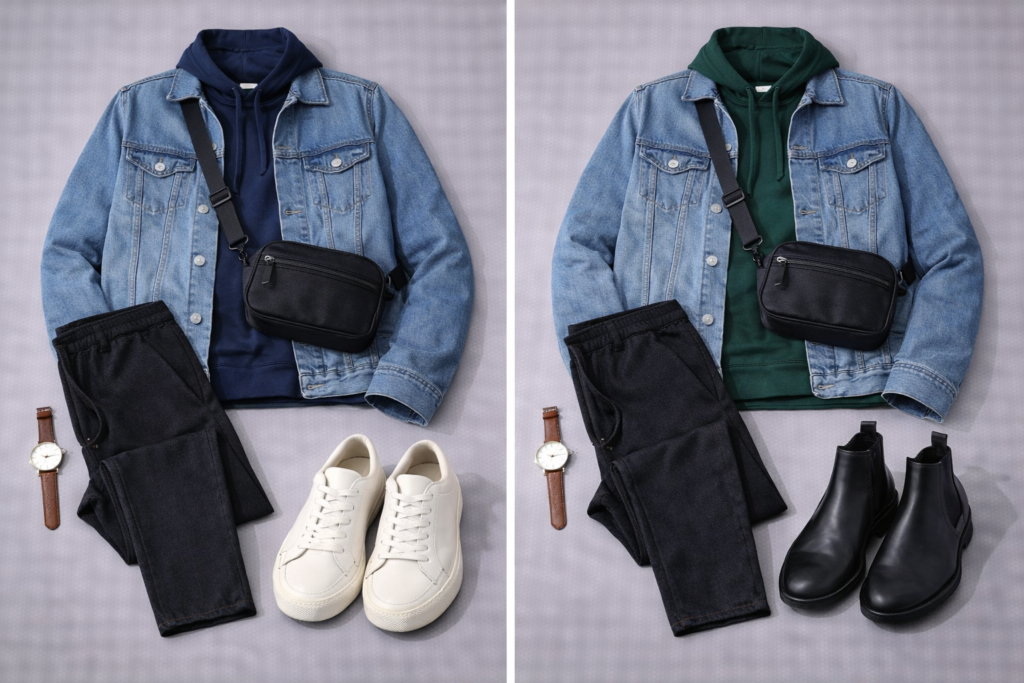
Athletic-inspired weekend wear can get you noticed when executed with attention to fit and quality. The key is choosing elevated athleisure rather than actual gym clothes. The hoodie should be fitted—not oversized—in a rich color rather than basic heather gray. Joggers must be tapered from knee to ankle, creating a clean silhouette rather than the baggy shapelessness of sweatpants. Adding a denim jacket provides structure and signals this is a style choice, not laziness.
Why it gets you noticed: Most men wear athletic clothes on weekends, but their execution is sloppy—oversized hoodies, baggy sweats, beat-up athletic shoes. By using fitted versions, quality fabrics, intentional colors, and strategic layering, you take familiar casual pieces and elevate them into actual style. You’re comfortable and relaxed but still look like you made a choice.
When to wear it: Casual weekend hangouts, travel days, running errands, active pursuits followed by social activities, gym sessions that might extend into social time, comfortable situations where you still want to look good.
Fit is everything: The difference between this looking great and looking sloppy comes entirely down to fit. The hoodie should fit like a well-tailored sweatshirt—following your torso without clinging. Joggers should taper aggressively below the knee and end right at your ankle bone. Sneakers must be clean and minimal. Baggy versions of these same pieces create the opposite effect.
Style upgrade: Replace the hoodie with a fitted quarter-zip sweatshirt in the same color for a more refined athletic aesthetic. Swap joggers for tech fabric pants in a slim fit. Trade the denim jacket for a sleek nylon coach jacket or bomber.
Look #7: The Patterned Statement
The outfit: Subtle striped or checked button-down shirt (worn untucked) + dark wash jeans + brown leather loafers or boat shoes + lightweight navy sweater (tied around shoulders or worn) + tortoiseshell sunglasses
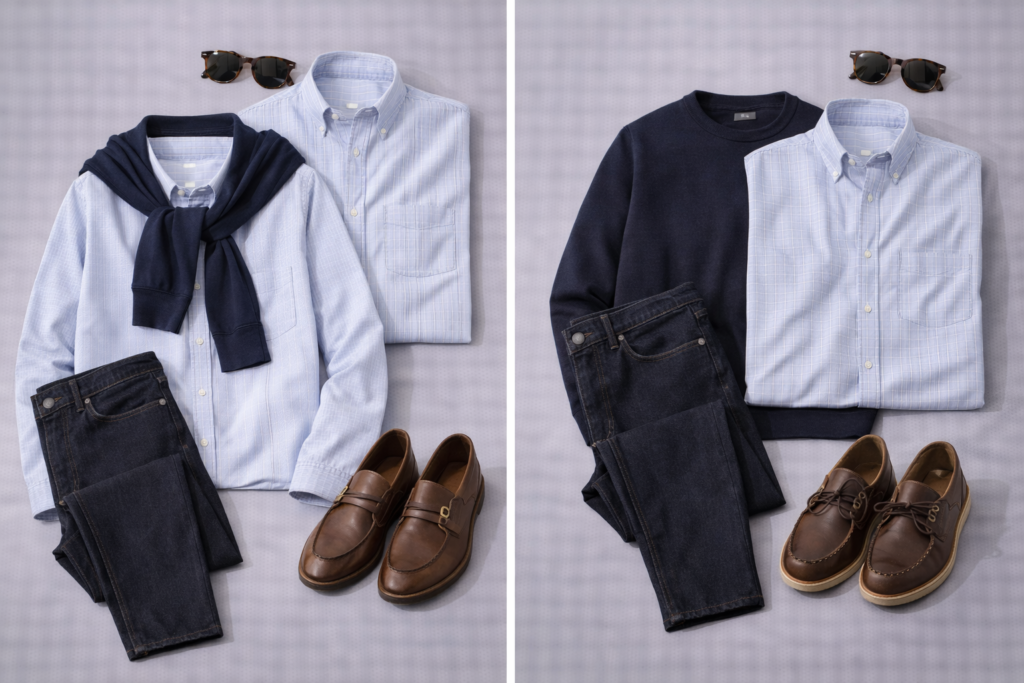
Strategic pattern introduction gets you noticed when done with restraint. A subtle blue and white striped oxford or small gingham check provides visual interest without overwhelming the outfit. The shirt stays untucked for weekend casualness but should be hem-cut for untucked wear (shorter hem with rounded corners). Brown leather loafers introduce preppy sensibility that elevates jeans. The sweater adds versatility—wear it when cool, tie it around your shoulders when warm for visual interest.
Why it gets you noticed: Pattern draws the eye when most weekend outfits are solid colors. By keeping the pattern subtle (thin stripes, small checks, classic patterns) and pairing it with neutral solids, you add personality without chaos. The preppy touches (loafers, tied sweater, oxford shirt) create a distinct aesthetic that stands out against streetwear-dominated weekend casual.
When to wear it: Weekend brunch, daytime parties, boat or waterfront activities, vineyard visits, golf or country club casual, preppy social events, spring and summer weekends.
Pattern rules: Only introduce pattern in one piece—if your shirt has stripes, keep everything else solid. Ensure the pattern’s colors pull from your overall palette. Thin, regular patterns read as more sophisticated than large, irregular ones. When unsure, smaller patterns are safer.
Style upgrade: Add a khaki or stone chino instead of jeans for more traditional prep aesthetic. Replace loafers with white canvas sneakers for a younger, more casual take. Swap the navy sweater for a light blue or pink one for additional color.
Look #8: The Monochrome Modern
The outfit: White fitted t-shirt + white or cream chinos + white leather sneakers + light gray or stone linen blazer + silver accessories
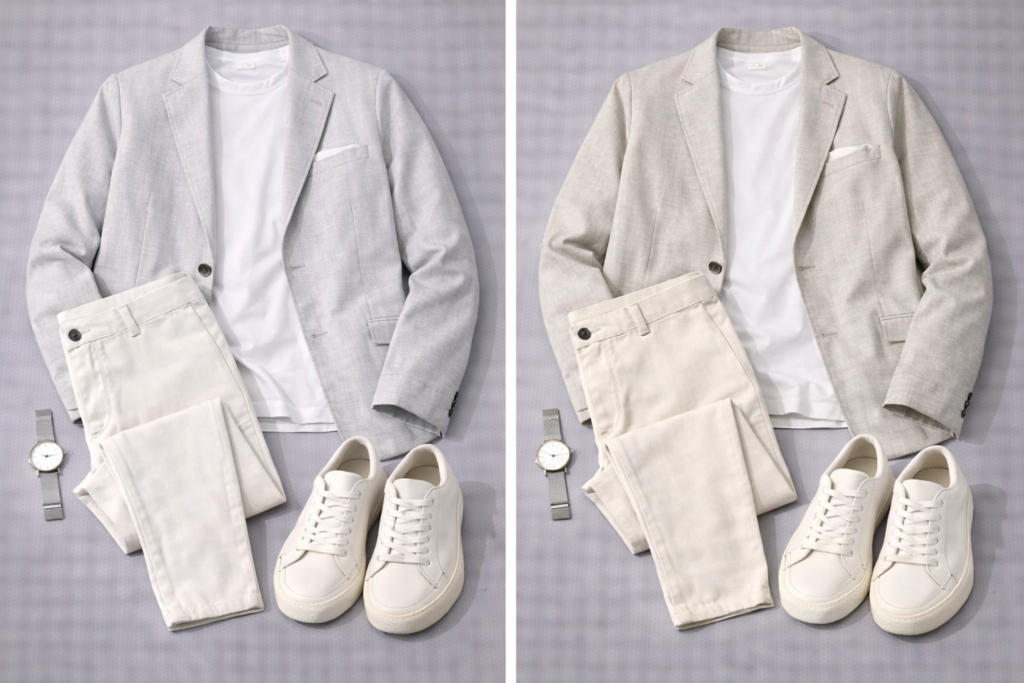
All-white or tonal light outfits create dramatic visual impact, especially in urban environments where most men default to dark colors. This look requires confidence and maintenance—light colors show everything—but the payoff in getting noticed is substantial. The varying whites and creams (pure white t-shirt, cream or off-white chinos, white sneakers) create subtle tonal variation that prevents the outfit from looking costume-like.
Why it gets you noticed: Light monochrome is unexpected in casual menswear, making it inherently memorable. It photographs exceptionally well, appears fresh and modern, and suggests confidence (pulling off all-white requires believing it works). The challenge of maintaining light colors throughout the day signals attention to detail and care about presentation.
When to wear it: Summer weekends, beach-adjacent areas, rooftop events, garden parties, daytime outdoor events, warm weather social gatherings, vacation destinations.
Maintenance reality: This outfit requires conscious effort to keep clean. You’re avoiding anything that might stain, being careful where you sit, staying aware of your environment. Some men enjoy this mindfulness; others find it stressful. Know which camp you’re in before committing.
Style upgrade: Add texture through the blazer—linen, cotton, or seersucker in light colors. Introduce a single accent color through a watch strap, pocket square, or sunglasses. Replace chinos with white or natural linen trousers for maximum summer impact.
The Details That Separate Good From Noticed
Immaculate grooming multiplies your outfit’s impact. The same outfit looks completely different on a man with a fresh haircut, intentional facial hair, and clean fingernails versus someone who’s neglected grooming. Weekend style gets noticed when the complete package aligns—clothes, grooming, and self-care all signal that you value how you present yourself.
Scent matters more than most men realize. A subtle, quality fragrance creates a memorable impression that outlasts visual memory. Choose something appropriate for daytime and casual settings—fresh, clean, citrus, or woody scents rather than heavy, sweet, or overpowering options. Apply sparingly to pulse points. People should notice your scent when standing close, not from across the room.
Posture and fit work together. Good posture makes well-fitted clothes look exceptional and makes you appear more confident. Slouching in a great outfit undermines the visual impact. Stand straight, shoulders back, chin level. This isn’t about rigid military bearing—just natural, confident carriage that lets your clothes drape properly.
The shoe maintenance rule: Your shoes receive disproportionate attention and signal care (or carelessness) about your overall appearance. Keep leather shoes conditioned and polished. Clean sneakers regularly—white sneakers especially should look fresh. Replace worn laces. Beat-up shoes ruin even excellent outfits.
Accessory restraint demonstrates confidence. Wearing too many accessories (multiple bracelets, necklaces, rings, watches, hats) looks like you’re trying to create personality through accumulation. One or two well-chosen pieces suggest you know who you are. Less is consistently more impressive.
Context calibration shows social intelligence. Being the most dressed-up person at a casual backyard barbecue doesn’t get you noticed positively—it suggests you can’t read situations. Similarly, looking sloppy at an event where others made effort shows lack of respect. The sweet spot is being appropriately dressed but executing your appropriate outfit better than others at the same formality level.
Read also: The 5 Pants That Immediately Upgrade Your Look
Common Mistakes That Kill Weekend Impact
Confusing “casual” with “careless.” Weekend casual doesn’t mean wearing whatever is clean or what you slept in. It means choosing comfortable pieces that fit well and work together intentionally. The distinction between relaxed and sloppy is fit, condition, and coordination.
Over-branding and logos. Visible designer logos, brand names across your chest, and obvious status symbols undermine rather than enhance your style. Getting noticed for your outfit is very different from getting noticed for your expensive brands. The former suggests personal style; the latter suggests you’re trying to buy credibility.
Wearing actual athletic clothes for non-athletic activities. Running shorts, performance t-shirts with technical fabrics, and actual running shoes communicate that you’ve given up on looking good outside the gym. Athleisure-inspired pieces (joggers, fitted hoodies, lifestyle sneakers) capture comfort without signaling you’re on your way to or from a workout.
Ignoring seasonal appropriateness. Wearing heavy flannels and boots in summer heat or shorts and t-shirts in winter cold shows you’re not paying attention to context. Seasonal dressing isn’t just about comfort—it’s about demonstrating awareness of your environment and making appropriate choices.
Forgetting that “noticed” includes being remembered. If you look great one weekend then show up sloppy the next, people notice the inconsistency more than the occasional good outfit. Build a sustainable weekend style that you can maintain regularly, not just pull out for special occasions.
Trying too hard to stand out. The goal is elevated casualness, not peacocking. When you’re clearly dressed to impress at a farmers market, it creates discomfort rather than admiration. Getting noticed should feel effortless, like this is just how you dress, not like you’re auditioning for attention.
Frequently Asked Questions
How dressy is too dressy for weekends?
If you’re significantly more formal than everyone else in your environment, you’ve overshot. Blazers work for many weekend activities, but suits don’t unless it’s a specific event. Full dress shoes feel out of place at casual gatherings—opt for loafers, Chelsea boots, or quality sneakers instead. The key is reading your social environment and aiming for the top 20% of that context, not importing formality from different settings.
Can I get noticed with minimal investment?
Absolutely. Fit matters more than price. A $20 t-shirt that fits perfectly gets you noticed more than a $200 designer piece that doesn’t fit. Focus your limited budget on versatile pieces in neutral colors, then ensure everything is tailored to your body. Three well-fitting outfits you rotate beat a closet full of ill-fitting clothes at any price point.
What if my weekend activities are genuinely casual—sports, outdoor work, etc.?
Function comes first, but you can still apply style principles to functional clothing. Choose athletic wear that fits properly rather than oversized or baggy options. Select quality outdoor gear in coordinated colors rather than mismatched pieces. Keep functional items clean and well-maintained. Even in legitimately casual contexts, the difference between sloppy and intentional is visible and noticeable.
How do I transition from daytime weekend casual to evening without going home to change?
Layer strategically. Wear a nice henley or button-down that works alone for daytime. Bring a blazer or leather jacket that elevates the same outfit for evening. Choose Chelsea boots or loafers that work in both contexts rather than sneakers that only read as daytime. Keep a fresher shirt in your car if you know the day extends into evening activities. The base outfit should be neutral and versatile enough that adding or subtracting one layer shifts the formality significantly.
Does getting noticed with weekend style work the same at different ages?
The principles remain constant, but execution shifts slightly. Younger men (20s) can lean more into trends, streetwear influences, and experimental pieces. Men in their 30s-40s should emphasize quality and classic pieces with subtle personality. Older men command respect through impeccable fit, quality materials, and timeless style rather than trendy pieces. At every age, fit, grooming, and confidence matter more than specific items.
Making Weekend Style Work For Your Life
Weekend looks that get you noticed aren’t about following someone else’s formula—they’re about understanding principles and applying them to your actual life, body, and environment. The outfits in this guide are starting points, not prescriptions. Your weekend style should reflect who you are and what you do while demonstrating that you value yourself enough to present well.
Start by identifying which weekend activities dominate your life. If you’re outdoors constantly, build around the Explorer aesthetic. If you spend weekends in coffee shops and casual social settings, focus on the Coffee Run and Casual Date options. If your weekends include evening events, prioritize the Evening and Monochrome looks. Invest in pieces that serve your most common contexts first.
Pay attention to what gets positive responses. When people compliment your outfit or you notice increased social engagement, analyze what you were wearing and why it worked. Replicate successful combinations and gradually build your weekend wardrobe around proven winners. Style confidence comes from knowing what works on your body in your life, not from following rigid rules.
Remember that getting noticed is a means to an end, not the goal itself. The real value of elevated weekend style is the doors it opens—conversations started, connections made, opportunities created, and confidence built. When you know you look good, you engage more fully with your weekends rather than avoiding activities or feeling self-conscious. That engagement—not the clothes themselves—is what ultimately makes your weekends richer and your life better. Look good, feel confident, and let that confidence carry you into experiences worth noticing.
Read also: