You’ve probably experienced this: standing in front of a closet full of clothes but feeling like you have nothing to wear.
Or packing for a trip and realizing none of your pieces work together.
Maybe you’ve bought something on impulse only to wear it once because it doesn’t fit into your life.
The problem isn’t that you don’t have enough clothes—it’s that you don’t have the right system.
A wardrobe that works everywhere isn’t about quantity or following every trend. It’s about building a strategic collection of versatile pieces that mix, match, and adapt to any situation you encounter.
When you get this right, you’ll pack lighter, get dressed faster, and always feel appropriately dressed whether you’re in a boardroom, on a date, or exploring a new city. This guide shows you exactly how to build that wardrobe from the ground up.
Understanding What “Works Everywhere” Actually Means
A wardrobe that works everywhere doesn’t mean wearing the same outfit to a wedding and a gym. It means owning pieces versatile enough to transition between contexts with minimal adjustments.
The core principle is building around items that share common ground—pieces that can dress up or down depending on what you pair them with.
Think of your wardrobe as a capsule of interchangeable parts rather than complete outfits. When every piece can work with multiple other pieces, you exponentially increase your outfit options without expanding your closet.
A navy blazer works with jeans and sneakers for casual Friday, with chinos and loafers for client meetings, and with dress trousers for formal events. That’s one item creating three entirely different looks.
The “everywhere” wardrobe prioritizes neutral foundations with strategic pops of personality. Neutrals—black, white, gray, navy, beige, brown, olive—form the backbone because they’re universally appropriate and infinitely combinable.
You can introduce color and pattern through accessories, layering pieces, or accent items without compromising versatility. This approach ensures you’re prepared for unexpected occasions without maintaining separate wardrobes for work, weekends, and travel.
Geography and lifestyle matter significantly. A wardrobe that works in Los Angeles differs from one in New York or London, not just in seasonal weight but in cultural dress codes.
Similarly, your professional environment dictates requirements—creative industries allow more flexibility than finance or law. Build your everywhere wardrobe around your actual life, not an idealized version. If you work from home but travel frequently, prioritize comfortable, packable pieces over daily office wear.
The Foundation: Essential Pieces Every Versatile Wardrobe Needs
The White T-Shirt Collection
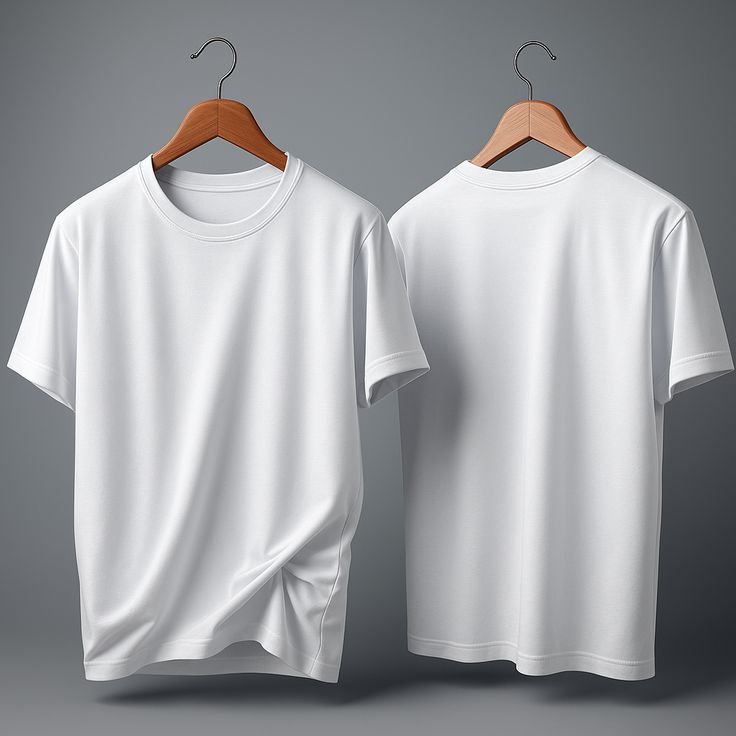
You need multiple white t-shirts in different weights and styles. A heavyweight premium white tee works alone in summer or layered under jackets year-round.
It should be substantial enough that it’s not see-through, with a flattering neckline that sits right at your collarbone. Buy three to five in rotation so you always have fresh options. Look for brands that maintain their shape and color after multiple washes—this is worth investing in since you’ll wear these constantly.
Beyond basic crew necks, add a white henley for textural variation and a white long-sleeve tee for transitional weather. These simple additions give you different ways to approach the same neutral base.
The white t-shirt is your most versatile piece—it works under blazers, with shorts, under sweaters, or completely on its own. When these fit perfectly and stay crisp, they elevate everything around them.
The Dark Denim Collection
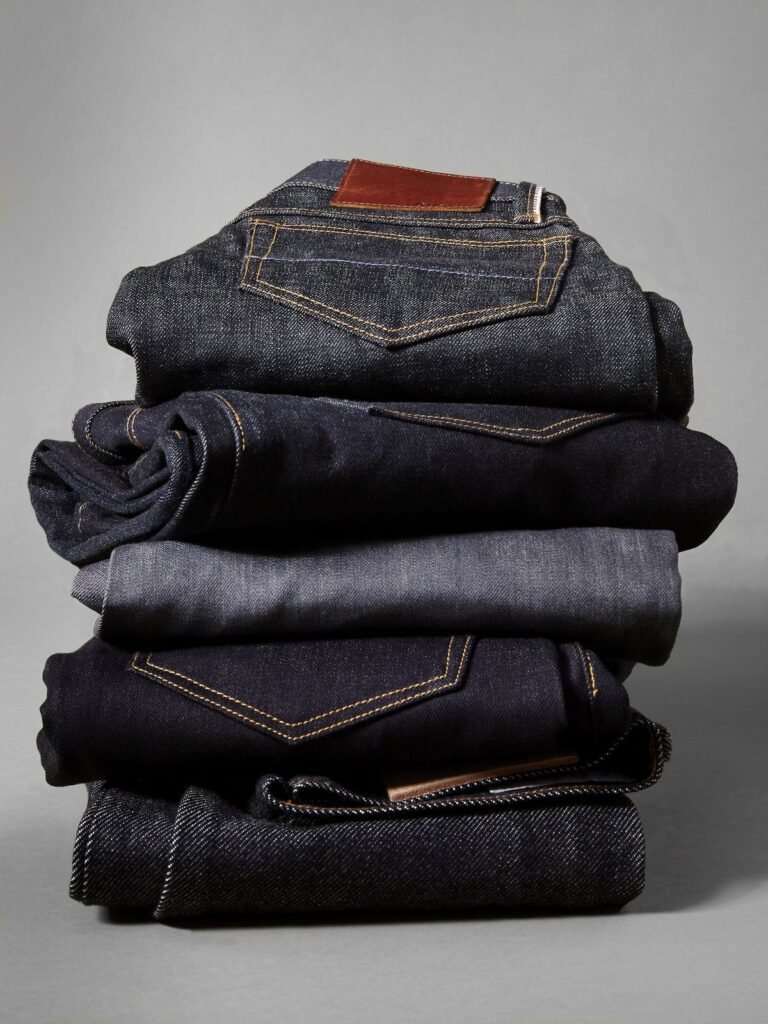
Own at least two pairs of dark wash jeans—one in indigo, one in black. Dark denim reads as more polished than faded or distressed styles, making it acceptable in business-casual environments and perfectly appropriate for evening events.
The fit should be modern: slightly tapered from knee to ankle without being skinny, sitting comfortably at your natural waist, with minimal distressing or fading.
Raw or selvedge denim ages beautifully and maintains a premium appearance longer than pre-washed alternatives. Your jeans should be dark enough to wear with dress shoes but casual enough for sneakers.
This versatility makes dark denim the workhorse of your wardrobe—appropriate for 70% of situations most men encounter.
The Essential Button-Downs
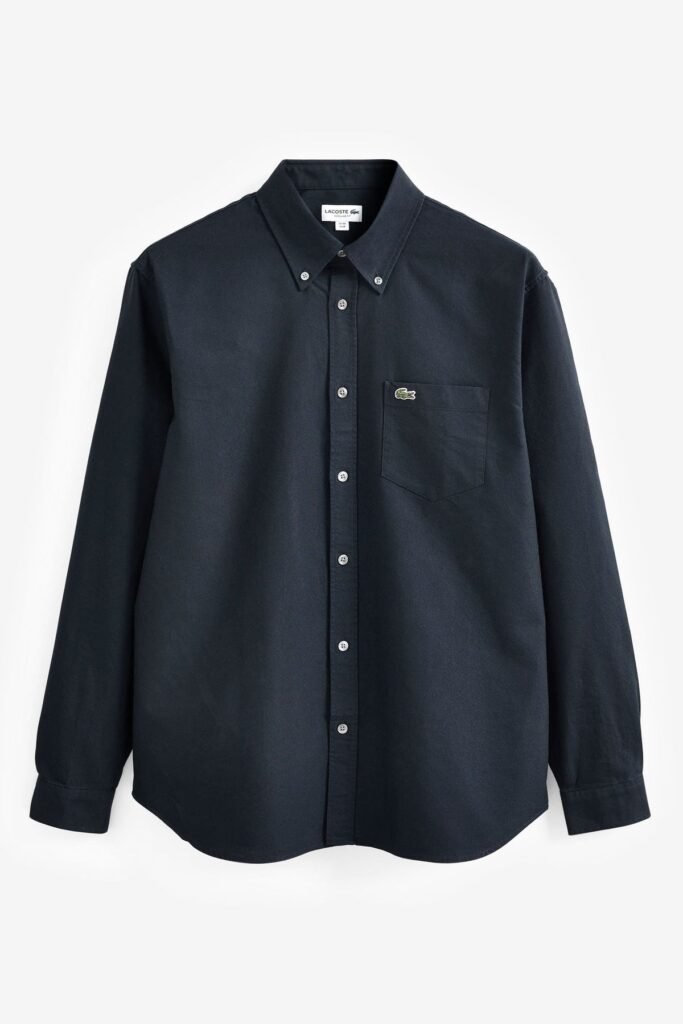
Start with three oxford cloth button-downs: white, light blue, and either pink or chambray. Oxford cloth is thicker and more textured than dress shirt fabric, making it appropriate for both casual and smart-casual situations. These shirts work untucked with jeans, tucked with chinos, or under sweaters and blazers.
Add one crisp white dress shirt for formal occasions. This should be finer fabric than your oxfords, intended to be worn tucked with dress trousers or suits. Finally, include a casual chambray or denim shirt—it functions like a jacket in warmer months and layers beautifully in colder weather. Five shirts total give you enough variety without overwhelming your closet.
The Versatile Trousers
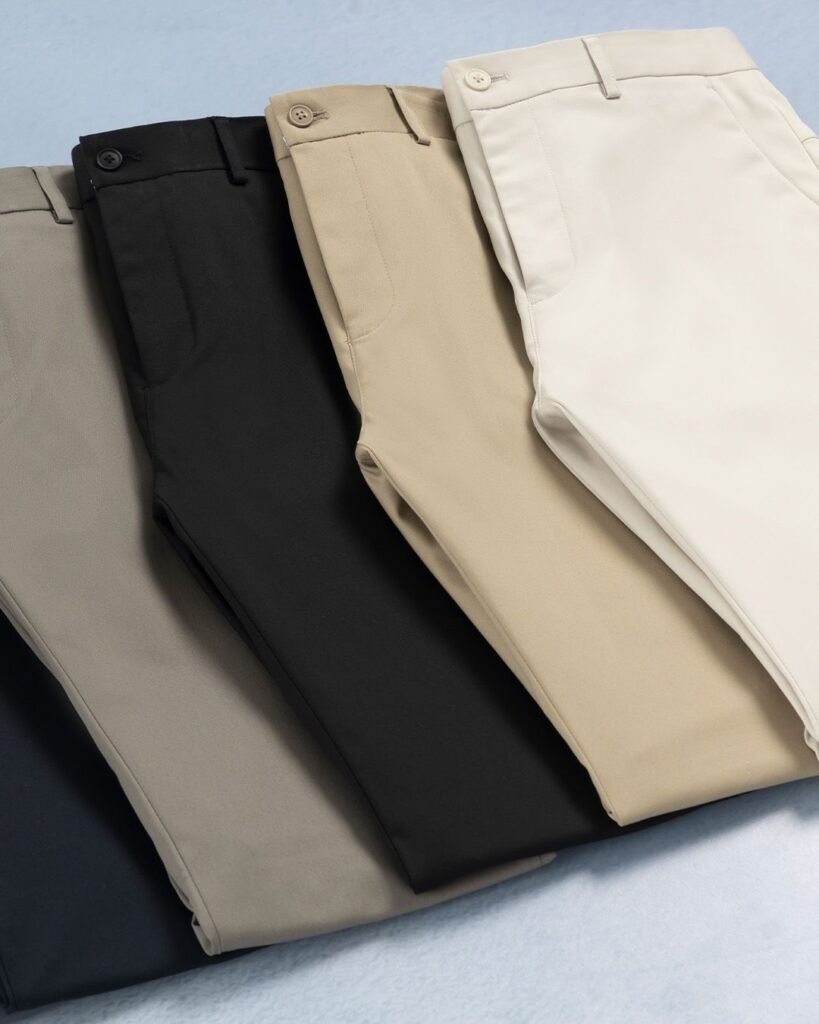
Every wardrobe needs chinos in three neutral colors: navy, khaki, and charcoal or gray. These bridge casual and formal, working with t-shirts and sneakers or button-downs and dress shoes.
The fit should be tailored—not tight, but following your leg’s shape with a slight taper to the ankle. Avoid pleats unless you’re intentionally going for a vintage aesthetic; flat-front chinos are more universally flattering and modern.
Add one pair of wool dress trousers in charcoal for formal situations. These elevate your presentation beyond what chinos can achieve and are necessary for business formal environments, interviews, or dressy events. Finally, consider dark gray or black wool trousers that can work in both professional and evening contexts.
The Layering Pieces
A navy crewneck sweater in merino wool is non-negotiable. It layers over button-downs, works alone with t-shirts underneath, and transitions between seasons effortlessly. Merino wool regulates temperature, resists odors, and looks expensive—making it worth the investment. Add a gray crewneck for variation.
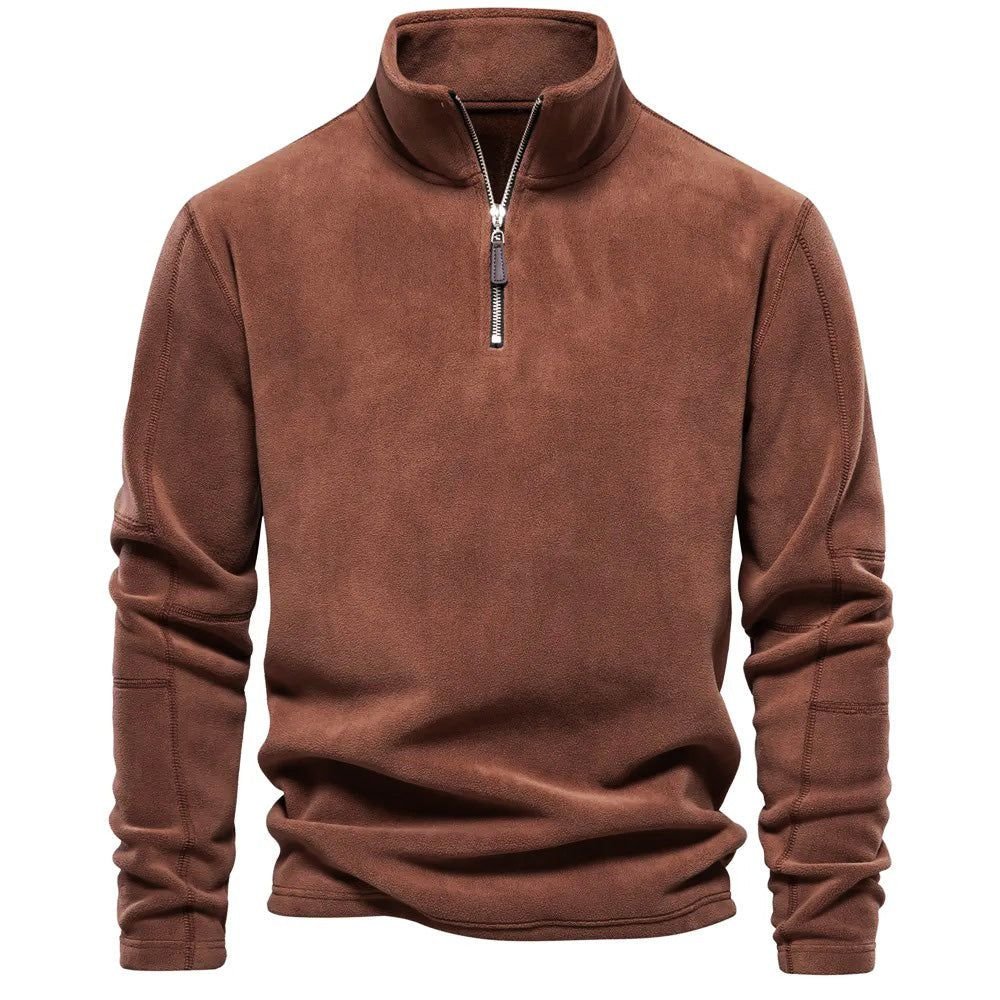
Include a cardigan in charcoal or oatmeal. Cardigans provide the polish of a blazer with more approachability and comfort. They work in casual offices, weekend outings, and travel exceptionally well. A quarter-zip sweater in a neutral color offers athletic-inspired layering that works for active days without looking like gym wear.
The Jacket Arsenal
Your jacket collection should include four core pieces. First, a navy blazer in an unstructured or semi-structured style. This isn’t your father’s stiff suit jacket—modern blazers have softer shoulders and work with everything from jeans to dress trousers.
Second, a versatile denim or chore jacket for casual layering. Third, a quality leather or suede jacket in black or brown for edge and personality. Fourth, a weather-appropriate outer layer—either a wool overcoat for cold climates, a rain jacket for wet areas, or a lightweight bomber for moderate weather.
These four jackets cover nearly every situation: the blazer handles professional and dressy-casual needs, the denim jacket manages everyday casual, the leather jacket adds style to evening and weekend wear, and the overcoat provides weather protection with sophistication.
The Footwear Foundation
Shoes make or break versatility. Start with minimal white leather sneakers—these work with jeans, chinos, shorts, and even suits in creative environments.
Add brown leather Chelsea boots for a smart-casual option that bridges sneakers and dress shoes. Include one pair of quality leather dress shoes in brown or black for formal occasions.
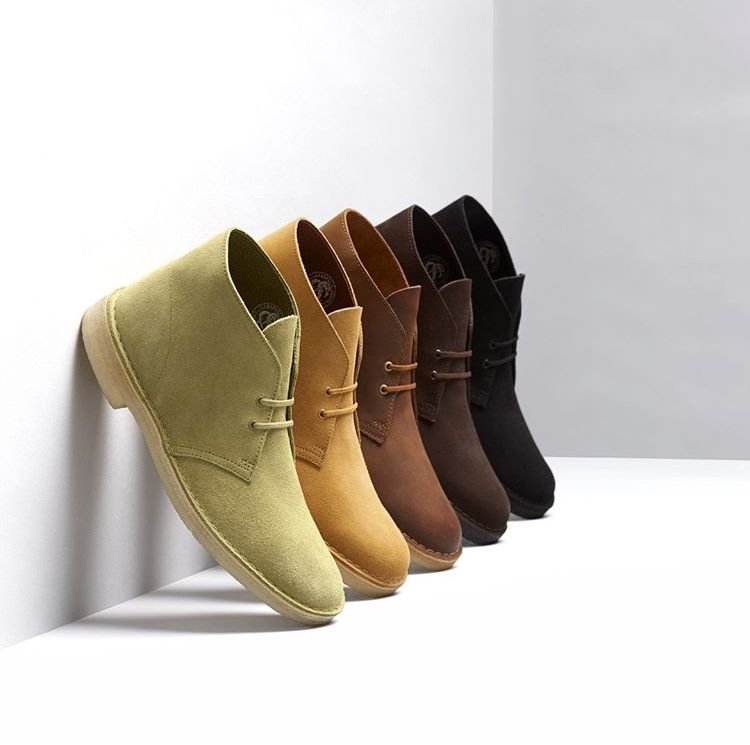
Finally, consider casual loafers or desert boots in suede for warm-weather alternatives.
Four to five pairs of shoes cover everything from beach days to boardrooms. The key is choosing classic styles in neutral colors that age well and work across contexts. Avoid overly trendy silhouettes or loud colorways that limit wearability.
The Accessories That Multiply Options
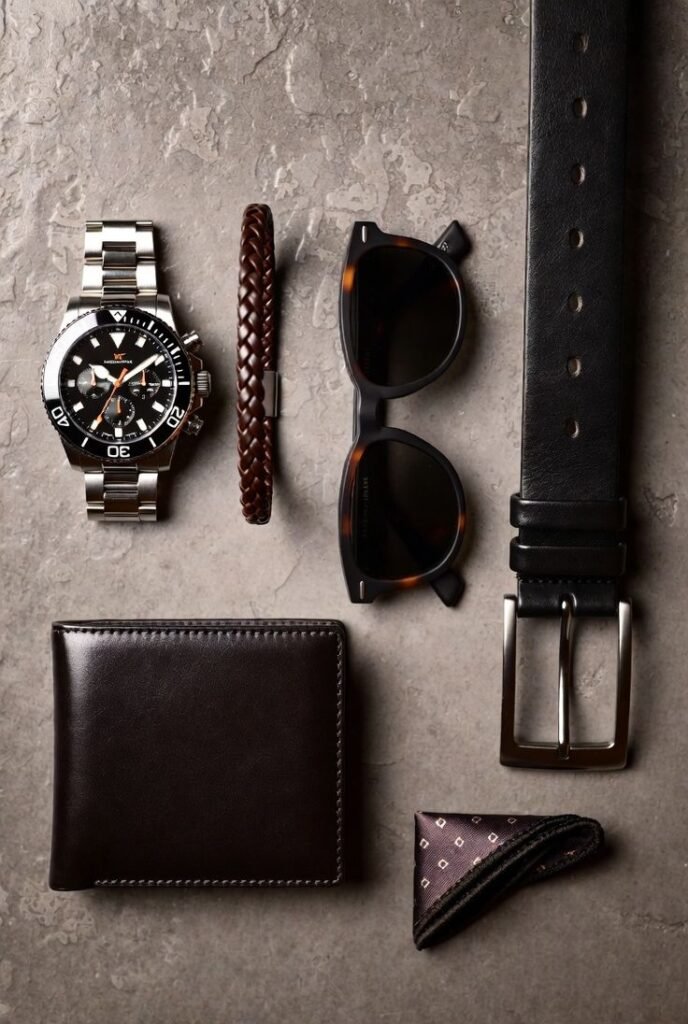
A quality leather belt in brown and one in black match your dress shoes and boots. A simple analog watch with a leather or metal band works everywhere—choose something timeless over trendy.
Add one versatile bag: either a leather backpack, messenger bag, or briefcase depending on your needs. Sunglasses in a classic shape (aviators or wayfarers) complete the foundational accessories.
These items seem minor but significantly impact your overall presentation. Worn, cheap, or mismatched accessories undermine otherwise strong outfits, while quality pieces elevate basic combinations into polished looks.
The Color Strategy: Building a Cohesive Palette
Successful versatile wardrobes rely on restricted color palettes where everything naturally works together. Start by choosing your neutral base: most men default to navy, gray, and white, but you could equally build around black, charcoal, and cream, or earth tones like tan, brown, and olive. Your neutral base should comprise 70-80% of your wardrobe.
Once you’ve established neutrals, introduce one or two accent colors that complement your base. If you’re working with navy and gray, burgundy and forest green work beautifully. For earth tone bases, consider rust, mustard, or deep blue. These accent colors appear in sweaters, shirts, or accessories—never in your foundational pieces like jeans or blazers.
Avoid buying anything that doesn’t fit your established palette. This single rule prevents impulse purchases and ensures every new addition integrates with existing pieces. When you see an orange hoodie on sale, you’ll recognize it doesn’t fit your navy-gray-burgundy palette and skip it, no matter how good the deal is.
Monochromatic dressing within your palette creates sophisticated, effortless looks. All-navy outfits, various shades of gray, or tonal earth tones demonstrate advanced style with minimal effort. This approach also makes you appear taller and more put-together because there are no jarring color breaks interrupting your silhouette.
The Fit Philosophy: Why Nothing Else Matters More
Perfect fit transforms mediocre pieces into statement items and ruins expensive clothes that don’t suit your body. Understanding fit means knowing your measurements and how different styles should sit on your frame.
Shoulders on jackets and shirts should align with your actual shoulder point—not extend beyond it or fall short. This is the hardest alteration to fix, so get it right when buying.
Shirts should follow your torso’s shape without pulling across the chest or billowing at the waist. You should be able to pinch about an inch of fabric at your side—more means it’s too big, less means it’s too tight.
Sleeve length matters: dress shirts should show about a half inch of cuff beyond your jacket sleeve, while casual shirts can end right at your wrist bone.
Trousers should sit at your natural waist (where your body bends when you lean sideways), not below your hips. Modern fits taper slightly from knee to ankle, creating a clean line without being restrictive.
The hem should break slightly on dress trousers or sit just above your shoe on casual pants. Too much break creates sloppiness; too little looks like you’ve outgrown them.
Find a good tailor and use them liberally. Tailoring isn’t just for expensive suits—taking in a $30 shirt makes it look like a $100 shirt. Hemming jeans, tapering trouser legs, shortening sleeves, and adjusting waists are affordable alterations that dramatically improve how you look. Budget $10-30 per piece for basic tailoring and consider it part of the purchase price.
The Quality Equation: When to Invest and When to Save
Quality matters most in pieces you wear constantly and items that directly touch your skin. Invest in premium t-shirts, underwear, socks, and base layers—you’ll wear these daily, and quality differences in comfort and durability are immediately noticeable. Cheap undershirts show through clothing, lose shape quickly, and feel terrible against skin.
Footwear deserves significant investment. Quality shoes can be resoled and maintained for decades, while cheap shoes fall apart in months. Well-made leather boots, dress shoes, and even premium sneakers cost more upfront but deliver better cost-per-wear over time. They’re also more comfortable and better for your feet.
Outerwear is another investment priority. A quality wool overcoat, leather jacket, or technical rain jacket lasts years and makes daily wear significantly more comfortable. Since outerwear is the first thing people see, it dramatically impacts your overall impression. You can wear a basic t-shirt under a great jacket and look excellent.
Save money on trend-driven pieces, items you’re experimenting with, or things you don’t wear often. That bold patterned shirt you’ll wear a few times per year doesn’t need to be expensive. Basic chinos from mid-range brands often match expensive versions in quality. Athletic-inspired pieces like hoodies and joggers face less scrutiny and can be sourced affordably.
The real quality equation is cost-per-wear. A $300 leather jacket worn 100 times per year costs $3 per wear in year one and decreases annually. A $50 trendy piece worn three times costs $16.67 per wear and has no future value. Calculate quality based on how frequently something enters your rotation, not just the price tag.
The Seasonal Transition Strategy
A wardrobe that works everywhere must adapt to temperature changes without requiring complete overhauls. The key is building in layers that add or subtract warmth while maintaining style. Your core pieces—t-shirts, button-downs, jeans, chinos—work year-round. The difference is what you add to them.
For spring and fall, focus on lightweight layering: cardigans, lightweight sweaters, denim jackets, and bomber jackets provide enough warmth without bulk. These transitional pieces work over t-shirts in cool weather or under heavier coats when temperatures drop further. This middle layer is crucial for versatility because it extends your wardrobe’s temperature range.
Summer requires natural, breathable fabrics. Swap wool and heavy cotton for linen, lightweight cotton, and technical fabrics. Short-sleeve shirts replace long sleeves, shorts enter rotation, and lighter-weight chinos in khaki or stone replace heavier twill. Keep the same color palette and style principles—just adjust fabric weight and coverage.
Winter demands investment in one excellent coat that works over everything else you own. A wool overcoat in charcoal or camel works with suits and casual wear alike. Add heavier-weight sweaters, thermal underlayers, and weather-appropriate boots. The principle remains the same: neutral, versatile pieces that layer together logically.
Store off-season items properly to maximize space and maintain quality. Use proper hangers for coats and jackets, fold knits to prevent stretching, and keep leather shoes on shoe trees. This rotation system keeps your daily wardrobe manageable while preserving pieces you’re not currently wearing.
The Packing Principle: Testing True Versatility
The ultimate test of a versatile wardrobe is packing for a week-long trip with only a carry-on. If your pieces truly work everywhere, you should be able to select items that handle business meetings, casual dinners, outdoor activities, and unexpected formal events without checking luggage.
Start with your most versatile footwear: white sneakers and brown Chelsea boots cover 90% of situations. Add dark jeans, navy chinos, a white t-shirt, a white oxford shirt, one accent sweater, and your navy blazer. This minimal selection creates dozens of outfit combinations appropriate for nearly any context.
Packing forces prioritization. You quickly discover which pieces genuinely work with multiple other items and which are one-trick ponies. That bold patterned shirt that only works with one pair of pants doesn’t make the cut. The navy sweater that works over button-downs, with t-shirts, and under blazers earns its space.
Apply packing principles to your everyday wardrobe. If something wouldn’t make your travel selection for an important trip, question whether it deserves closet space at home. This mental exercise ruthlessly eliminates dead weight and focuses your wardrobe on proven performers.
Build outfits in “bundles”—combinations you know work together. When packing (or organizing your closet), think in complete outfit formulas rather than individual pieces. This approach ensures you never arrive somewhere with a shirt that doesn’t work with any pants you brought.
The Maintenance System: Keeping Everything Ready
Versatility collapses when your clothes aren’t wearable. A navy blazer with stains, wrinkled chinos, or scuffed dress shoes can’t function in professional settings no matter how well they fit. Implement maintenance systems that keep everything rotation-ready.
Wash clothes properly according to fabric type. Overwashing degrades fabric and fading, while underwashing allows odors and stains to set. Most jeans can go weeks between washes; t-shirts and underwear need washing after each wear. Button-downs fall somewhere in between depending on whether you wore them directly on skin or over another layer.
Invest in a steamer or iron and use it regularly. Wrinkled clothes communicate carelessness regardless of quality or cost. Steaming is faster and gentler on fabrics than ironing, making it easier to maintain daily. Hang shirts and trousers immediately after wearing to prevent creasing, and air them out before returning to the closet.
Rotate shoes regularly—never wear the same pair two days in a row. Leather needs time to dry out between wears to maintain structure and prevent odor. Use shoe trees in leather shoes to maintain shape and absorb moisture. Clean and condition leather boots and shoes seasonally to prevent cracking and extend lifespan.
Address repairs immediately. Missing buttons, loose hems, and small tears worsen quickly if ignored. Keep a basic sewing kit for minor fixes or establish a relationship with a tailor for quick repairs. Maintaining what you own is more sustainable and economical than constantly replacing neglected items.
The Evolution Process: Adapting as You Grow
Your wardrobe should evolve with your life, body, and taste. What worked at 25 may not suit you at 35 or 45. Professional advancement often requires wardrobe adjustments—the startup hoodie eventually gives way to blazers as you move into leadership. Body changes demand honest reassessment of fit and proportions.
Audit your wardrobe seasonally. As you pack away winter clothes or bring out summer items, evaluate each piece honestly. If you didn’t wear something all season, donate or sell it. If something no longer fits properly, either tailor it or let it go. If your style has shifted and something feels wrong, remove it even if it’s technically fine.
When adding new pieces, maintain your established foundation rather than chasing trends wholesale. Trendy pieces should enhance your core wardrobe, not replace it. Buy one fashion-forward item per season to stay current without compromising versatility. Let trends inform small purchases—a specific cut of trouser, a new texture in sweaters—rather than dictate major investments.
Quality pieces appreciate with age when properly maintained. That leather jacket looks better after a year of wear. Raw denim develops character through use. Well-made boots mold to your feet and develop patina. This aging process rewards investment in quality and encourages you to keep building on your foundation rather than constantly starting over.
Common Mistakes That Destroy Wardrobe Versatility
Buying pieces that only work in one outfit. That bright yellow cardigan might look great in the store, but if it only works with one pair of pants, it’s not versatile—it’s a costume piece. Every addition should work with at least three other items you already own.
Ignoring lifestyle reality. Building a wardrobe full of suits when you work from home makes no sense. Be honest about your actual life: how often you need formal clothing, what activities dominate your schedule, what climate you live in. Build for reality, not aspiration.
Choosing fashion over fit. Trendy cuts that don’t flatter your body type waste money and closet space. A classic fit that makes you look good today will still look good in five years. Trends come back around; bad fit never works.
Skipping the basics for statement pieces. You need boring foundations before interesting additions. Ten graphic tees and no plain white t-shirts leaves you without the base every versatile outfit requires. Build the foundation first, add personality second.
Keeping things “just in case.” That shirt you might wear if everything else is dirty or those pants you’ll fit into when you lose weight clog your closet and complicate decisions. If you haven’t worn something in a year and it doesn’t fit today, it’s not part of your versatile wardrobe.
Not trying things on together. Clothes look different in stores than in your closet with your other pieces. When shopping, visualize (or actually consider) what this new item pairs with. If the answer is vague or requires additional purchases, reconsider.
Frequently Asked Questions
How many pieces do I actually need for a versatile wardrobe?
A truly versatile wardrobe can function with 30-40 pieces including shoes and outerwear. This includes 5-7 t-shirts, 3-5 button-downs, 2-3 sweaters, 3-4 pairs of pants, 2 pairs of jeans, 2-3 jackets, 4-5 pairs of shoes, and essential accessories. This minimal selection creates hundreds of outfit combinations when built around a cohesive color palette and complementary styles. Most men own far more clothes but wear the same 20-30 pieces repeatedly—identifying and focusing on those pieces is more effective than expanding endlessly.
What’s the best way to start building from scratch?
Start with the absolute essentials in neutral colors: white t-shirts, dark jeans, one pair of chinos, white sneakers, one button-down shirt, and one versatile jacket. Wear these combinations for a month and note what you’re missing for your lifestyle. Add pieces systematically to fill gaps—maybe you need dress shoes for work events, or a sweater for layering, or shorts for your climate. This methodical approach prevents impulse purchases and ensures every addition serves a real need.
How do I transition a work-only wardrobe to work everywhere?
Identify crossover pieces that function in multiple contexts. That navy blazer works with jeans and sneakers on weekends. Those chinos pair with t-shirts for casual wear. Build the bridges between your work clothes and casual life by adding versatile casual pieces (quality t-shirts, casual jackets, versatile sneakers) that pair with your existing professional items. Soon your blazers work for weekend dinners and your nice jeans work for casual Friday.
Is it worth investing in expensive designer pieces for versatility?
Designer labels don’t inherently mean better versatility—a $2000 logo hoodie is less versatile than a $50 plain crewneck sweater. Invest based on quality, fit, and versatility, not brand names. That said, some designer or premium brands offer superior construction, fabrics, and cuts that justify higher prices. Focus on whether the piece itself is versatile and well-made, not whether the label impresses others.
How do I maintain versatility while expressing personal style?
Personal style comes through in details, proportions, textures, and the specific shades within your neutral palette—not through wildly different pieces. One person’s versatile wardrobe might emphasize workwear-inspired chore coats and raw denim, while another builds around sleek minimalism with technical fabrics. Both can be equally versatile while expressing completely different aesthetics. Choose your neutrals, fits, and textures intentionally to reflect your taste within the versatile framework.
Building a Wardrobe That Actually Serves Your Life
The wardrobe that works everywhere isn’t about having clothes for every possible situation—it’s about having the right pieces that adapt to whatever your life demands. This approach eliminates the stress of getting dressed, simplifies packing, reduces decision fatigue, and ensures you’re always appropriately dressed without overthinking it.
Start with your foundation: essential pieces in versatile colors that work across contexts. Add systematically based on your actual needs, not perceived gaps or trend pressure. Maintain everything properly so your versatile pieces remain rotation-ready. Edit ruthlessly, removing anything that doesn’t pull its weight in your daily life.
Remember that building a versatile wardrobe is an ongoing process, not a one-time project. Your needs evolve, your body changes, your taste develops. The system outlined here—focusing on versatile foundations, cohesive color palettes, proper fit, and strategic additions—adapts to these changes while maintaining the core principle: every piece should work with multiple other pieces across different situations. When you nail this approach, your wardrobe becomes a tool that supports your life rather than a source of daily frustration. Build it right, and you’ll never stand in front of a full closet feeling like you have nothing to wear again.
Read also: