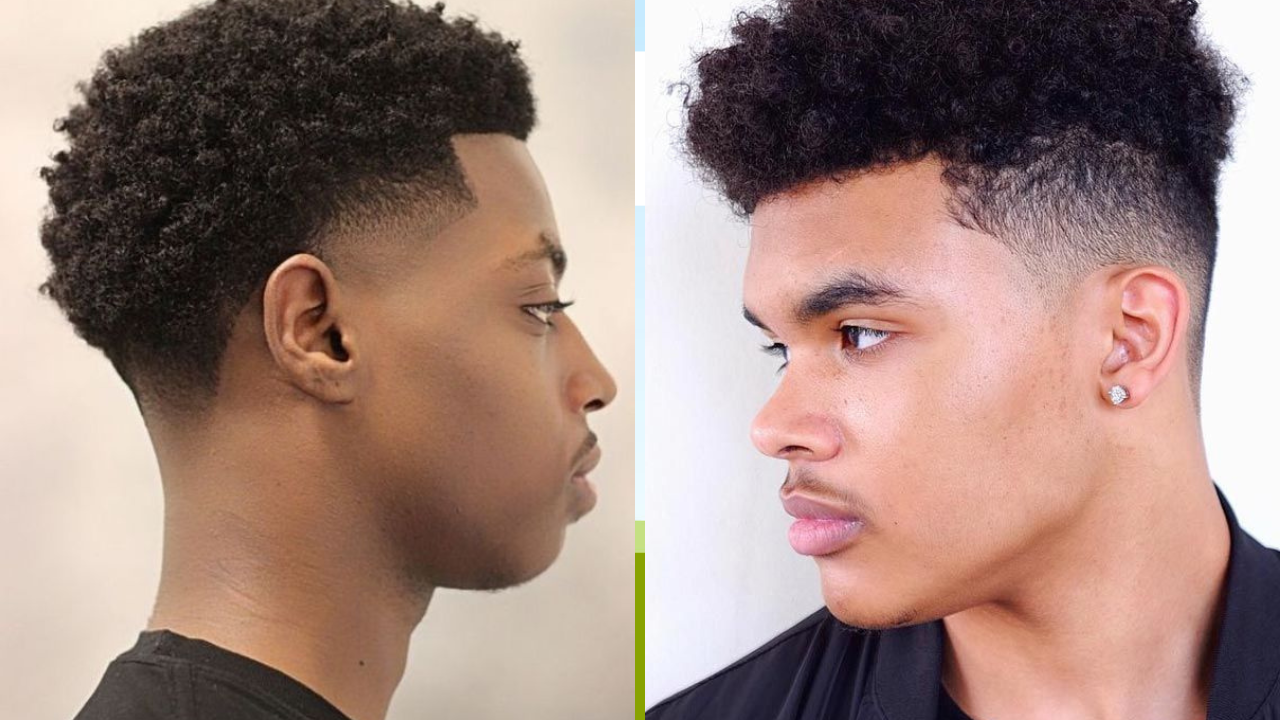
Walk into any barbershop in 2026 and you’ll hear the same question asked a dozen times: “Low fade or high fade?” It sounds simple enough, but get it wrong and you’ll spend the next three weeks waiting for your hair to grow back while avoiding mirrors.
The difference between a low fade and high fade isn’t just about where the fade starts—it’s about how your entire head looks. The wrong choice can make your face look longer, your head look wider, or completely throw off the proportions you’re working with.
The right choice? It elevates everything. Your jawline looks sharper, your hair looks intentional, and you walk out feeling like you made the right call.
This isn’t about which fade is “better” in some universal sense. It’s about which one works better for you—your face shape, your hair type, your lifestyle, and honestly, how much effort you’re willing to put in. Let’s break down exactly what separates these two cuts and how to choose the one that’s going to make you look your best.
What Actually Is a Low Fade?
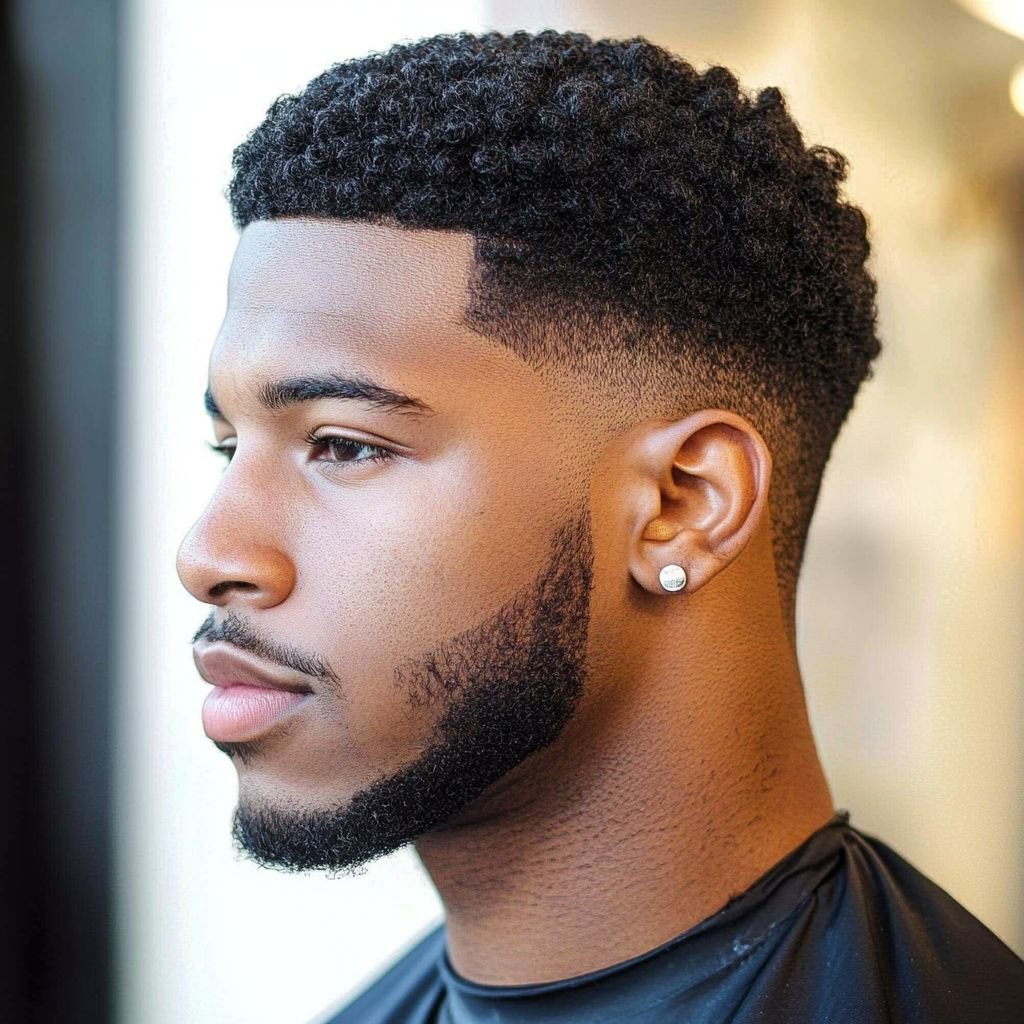
A low fade starts the gradual transition from longer hair to skin right around your ear line, typically about an inch above your ear. The fade happens in that lower third of your head, which means you keep more weight and coverage on the sides. Think of it as a subtle shift—the kind of haircut that looks clean and professional without announcing itself from across the room.
The taper is gentler and more gradual. Your barber is blending from your longer top hair down to the skin over a longer distance, which creates a softer, more conservative look. You’ll still have visible hair coverage around your temples and the sides of your head, which makes this the safer choice if you’re testing out fades for the first time or if you work in a more traditional environment.
Low fades work particularly well if you’ve got a longer face or if you’re trying to add some width to your overall head shape. That extra hair on the sides creates horizontal visual weight, which can balance out a narrow or elongated face.
What Actually Is a High Fade?
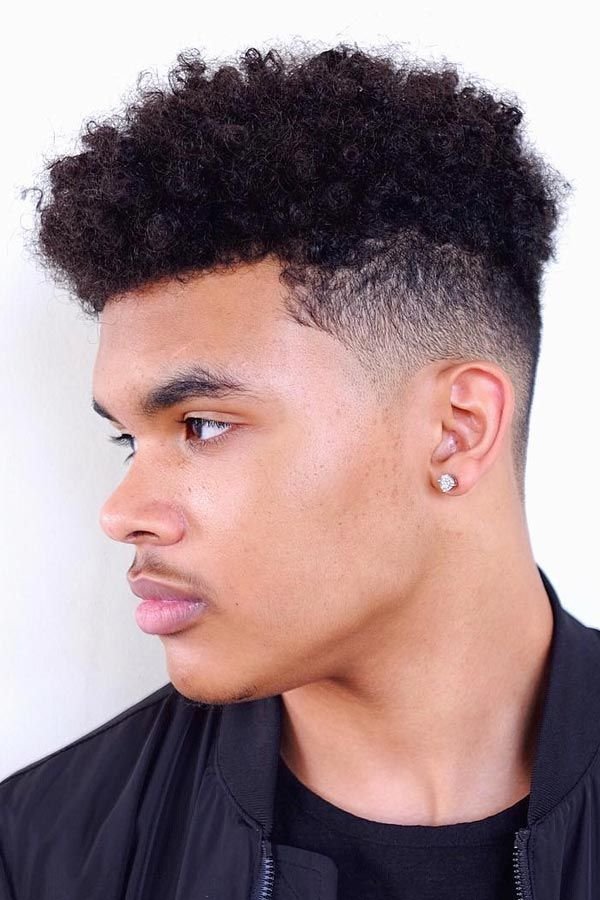
A high fade starts its transition much higher up—usually around your temple area or even higher, sometimes just a couple inches below where your hair naturally starts on top. The fade is more dramatic and aggressive because it’s happening over a shorter distance. You’re going from longer hair to skin in a compressed space, which creates sharper contrast and more visual impact.
This cut removes most of the hair from your sides, leaving you with a clean, almost military-inspired silhouette. It’s bold. It draws attention to the top of your head and whatever you’re doing up there—whether that’s a textured crop, slicked-back style, or longer flowing hair.
High fades tend to elongate your face visually because they remove that horizontal weight from the sides. If you’ve got a rounder face or wider head, this vertical emphasis can actually work in your favor by creating the illusion of length and height.
The Key Differences That Matter
Beyond just the starting point of the fade, these cuts function differently in ways that affect your day-to-day life.
Visual Impact: A high fade is the louder choice. It’s the haircut people notice. A low fade blends into your overall appearance more naturally—it’s polished without being showy.
Maintenance Schedule: Here’s where it gets practical. A high fade grows out more noticeably because that stark contrast between skin and hair becomes obvious faster. You’re looking at barbershop visits every 1-2 weeks if you want to keep it crisp. A low fade gives you more breathing room—2-3 weeks before it starts looking shaggy, sometimes longer if you’re not too particular.
Professional Versatility: Low fades slide into conservative workplaces without raising eyebrows. High fades read as more contemporary and fashion-forward. Neither is unprofessional, but if you’re in finance, law, or corporate environments with older decision-makers, the low fade is the diplomatic choice.
Styling Requirements: Both fades give you a clean canvas on the sides, but high fades put more emphasis on styling your top hair well since that’s literally all anyone sees. With a low fade, you’ve got more hair working for you overall, which can be forgiving if you’re having a bad hair day.
Face Shape Compatibility: The Real Decision-Maker
This is where most guys get it wrong. They choose based on what looks cool on Instagram instead of what actually works with their facial structure.
Oval Face: You won the genetic lottery here—both fades work. Oval faces have balanced proportions, so you can go high for edge or low for classic style. Your call.
Round Face: Go high. The vertical lines created by a high fade will elongate your face and create the illusion of more defined angles. A low fade can actually emphasize roundness by adding width where you don’t need it.
Square Face: Low fade is your friend. You’ve already got strong angular features and a defined jawline. A low fade complements that structure without creating an overly boxy appearance. High fades can work too, but they’ll make your face look more severe.
Oblong/Long Face: Stick with low fades. You don’t need additional height or vertical emphasis. The low fade adds some width to the sides of your head, which balances out facial length and creates better overall proportions.
Heart-Shaped Face: Either works, but high fades tend to look particularly good because they emphasize your wider forehead and temples, which is already your strong feature. The fade draws the eye upward in a flattering way.
Diamond Face: Low fades help balance out wider cheekbones by adding some visual weight through the temple area. High fades can work if you’ve got enough hair volume on top to create width there.
Hair Type Considerations
Your hair texture isn’t just about how you style—it affects how the fade itself looks and ages between cuts.
Thick, Coarse Hair: Both fades work well, but high fades can feel like a relief if you’re tired of managing bulk on the sides. Thick hair holds a high fade shape longer than fine hair because there’s more density in that transition zone. With low fades, your barber can remove weight while keeping length, which prevents that triangle-head look.
Thin or Fine Hair: Low fades are generally the smarter play. Keeping more length on the sides creates the illusion of fuller hair overall. High fades can expose thinning areas or make your hair look sparse, especially if your hairline is receding at all.
Curly or Textured Hair: You’ve got natural advantages here. High fades look incredible on curly hair because the contrast between tight sides and textured top is visually striking. Low fades work too and give you more versatility—you can let those curls flow down the sides more naturally. The key is finding a barber who knows how to fade textured hair properly, following your natural curl pattern rather than fighting it.
Straight Hair: Both options work cleanly. Straight hair shows fade lines crisply, which means high fades look especially sharp but also grow out more obviously. Low fades on straight hair create a very classic, timeless look that photographs well.
How to Communicate with Your Barber
Walking into the shop and saying “low fade” or “high fade” is a start, but it’s not enough. Barbers interpret these terms differently based on their training and regional styles. Here’s how to get exactly what you want:
For a Low Fade, Say This: “I want a low fade starting right around the ear, blending up gradually. Keep some weight through the temple area. I’m going for clean but conservative.”
Show a reference photo if you have one. Specify the guard length you want at the shortest point—usually a 0, 0.5, or 1 for a true fade to skin, or a 1 or 2 if you want a taper instead.
For a High Fade, Say This: “I want a high fade starting at my temple line, tight on the sides. I want that sharp contrast between the top and the fade.”
Again, reference photos help. Mention if you want a drop fade (following your head’s natural curve) or a temple fade (more squared-off at the corners). These details matter.
Universal Barber Communication Tips:
- Say how you wear your hair on top—slicked back, textured, pushed forward—because that affects how the fade should blend
- Mention how long you typically go between cuts so your barber can adjust accordingly
- If you’re trying a new fade height, tell them it’s your first time—most barbers will start more conservative
- Don’t be afraid to ask them to go higher or lower once they’ve done an initial pass
Maintenance: What You’re Actually Signing Up For
Let’s talk about the reality of upkeep, because this is where a lot of guys get blindsided.
Low Fade Maintenance: You can comfortably go 2-3 weeks between cuts before things start looking grown out. Some guys stretch it to 4 weeks if they’re not too particular. The fade grows out more gracefully because the transition zone is lower and less dramatic. You can get away with quick edge-ups or line-ups between full cuts if you want to extend time.
Budget roughly $35-50 per cut depending on your city, plus $5-10 tip. That’s $70-120 per month if you’re going every 2 weeks, or $45-80 monthly at the 3-week mark.
High Fade Maintenance: This is a commitment. At the 2-week mark, a high fade starts looking fuzzy. By week 3, it’s clearly grown out. Most guys who rock high fades are in the chair every 7-10 days if they’re serious about keeping it crisp. That’s 3-4 cuts per month.
Run the math: at $40 per cut plus tip, you’re looking at $130-180 monthly. That’s $1,500-2,000 annually just on haircuts. If that makes you wince, maybe reconsider the high fade or accept that it’ll look fresh for one week and decent for another.
DIY Maintenance Options: Some guys maintain their own line-ups and edge work between barber visits using trimmers at home. This works better with low fades where mistakes are less noticeable. High fades are trickier—one wrong move and you’ve created a weird bald spot that’ll take weeks to fix.
Common Mistakes to Avoid
Going Too High Too Fast: If you’ve been rocking the same haircut for years, jumping straight to a high skin fade is a shock to your system and everyone else’s. Start with a mid or low fade, get comfortable, then graduate up if you want.
Ignoring Head Shape: Some guys have flat backs of their heads or other contours that affect how fades look from different angles. A good barber compensates for this, but you need to be aware of it when choosing fade height.
Mismatching Fade to Lifestyle: If you travel frequently for work or can’t commit to weekly barbershop visits, a high fade is going to stress you out. Be realistic about your schedule.
Forgetting About Growing It Out: If you think you might want to grow your hair longer in a few months, a low fade gives you more hair to work with during that awkward growth phase. High fades mean you’re starting almost from scratch on the sides.
Not Considering Your Hairline: Receding hairlines and high fades can be a tough combination. The high fade draws attention upward, which emphasizes recession. Low fades keep the focus more balanced across your whole head.
Product Recommendations by Fade Type
The fade itself doesn’t require product, but how you style your top hair does.
For Low Fades (Classic Styling): You’ve got versatility here. Medium-hold pomades work well for side parts and slicked-back looks. Matte pastes and clays are great for textured, natural styles. Since you have more hair overall, you can use lighter products without everything falling flat.
For High Fades (Modern Styling): The top needs to perform because it’s the entire show. Higher-hold products are your friend—strong pomades for slick styles, firm clays for textured looks that hold all day. You can’t hide behind side volume, so your top hair needs intentional styling every time.
Both Fades: Invest in a good sea salt spray or texture spray if you want volume and grit. A quality styling cream as a pre-styler helps with manageability. For edge work and baby hair control, a small amount of edge control gel keeps those fade lines looking sharp.
Step-by-Step Styling After the Cut
Low Fade Styling:
- Start with slightly damp hair (towel-dried, not soaking)
- Apply a small amount of pre-styler or leave-in conditioner if your hair tends to be dry
- Blow-dry with a brush or comb in your desired direction—this creates the foundation
- Apply your main product (pomade, clay, paste) working from back to front
- Style with your hands or a comb depending on the look you want
- Use a small amount of product on the sides and back if needed to keep things smooth
High Fade Styling:
- Same start—damp hair, not wet
- Pre-styler if needed for texture or volume
- Blow-dry is crucial here because your top is doing all the work—direct airflow to create height or direction
- Apply styling product generously compared to the low fade
- Create texture, height, or slickness depending on your chosen style
- The sides require no product—that’s the beauty of the high fade
- Finish with hairspray if you need extra hold
Making Your Decision: A Simple Framework
Still unsure? Run through these questions:
Can you commit to weekly or bi-weekly barber visits? If yes, high fade is viable. If no, low fade is smarter.
Does your workplace lean conservative or creative? Conservative = low fade is safer. Creative = either works.
Is your face round or wide? High fade will help. Long or narrow? Low fade is better.
Do you want your haircut to make a statement? High fade does that. Want something polished but understated? Low fade.
How much time do you spend styling your hair daily? 2-3 minutes = low fade works fine. 5-10 minutes = you can pull off a high fade properly.
Are you growing out your hair eventually? Low fade makes that transition easier.
The Bottom Line
Neither the low fade nor the high fade is objectively better—they serve different purposes and suit different guys. The low fade is the reliable choice: professional, versatile, lower maintenance, and forgiving of scheduling conflicts. It’s the fade you can rock for years without overthinking it.
The high fade is the statement piece: bold, modern, attention-grabbing, and demanding of upkeep. It’s the fade you choose when you’re ready to commit to looking sharp and staying on top of maintenance.
Your best move is to start with what fits your life right now. If you’re busy, budget-conscious, or working in a traditional field, the low fade gives you style without complications. If you’ve got the time, the budget, and the desire to stand out, the high fade delivers that edge.
And here’s the truth most barbers won’t tell you: you can always adjust. Try a low fade first. If you want more drama, ask your barber to take it higher next time. If you go high and it’s too much upkeep, drop it down. Your hair grows back. The worst-case scenario is a few weeks of a haircut you’re not thrilled with—hardly a disaster.
Choose based on your face, your lifestyle, and your honest assessment of how much effort you’ll actually put in. The right fade isn’t about following trends—it’s about finding what works for you and wearing it with confidence.