
You drag yourself through the afternoon, mainline coffee at 4 PM, and still feel wrecked by dinner.
Your brain is foggy. Your patience is shot. You scroll your phone until midnight, finally pass out, then wake up feeling like you got hit by a truck.
The problem isn’t your morning routine. It’s what you’re doing—or not doing—in the hours before bed.
Most guys optimize their mornings and ignore their evenings, then wonder why they can’t sleep, focus, or maintain energy throughout the day.
Your evening routine determines your sleep quality. Sleep quality determines everything else: testosterone levels, cognitive function, recovery, mood regulation, and how much energy you have tomorrow. Fix your evenings, and you fix the entire next day before it even starts.
Why Your Evening Routine Matters More Than You Think
Sleep isn’t just rest—it’s when your body repairs muscle, consolidates memories, regulates hormones, and clears metabolic waste from your brain. Cutting corners here doesn’t just make you tired; it makes you weaker, dumber, and less capable.
Research from the National Sleep Foundation shows that adults who maintain consistent evening routines fall asleep 20% faster and experience 30% fewer night wakings compared to those with irregular bedtime habits.
Your body craves predictability. Give it a signal that sleep is coming, and it responds.
The average American gets 6.8 hours of sleep per night. The recommendation is 7-9 hours. That 30-60 minute deficit compounds daily.
Over a week, you’re running on a full night’s sleep debt. Over a month, you’re functionally impaired.
High-value men don’t gamble with sleep. They engineer it.
The 3-Hour Wind-Down Protocol
Optimal sleep doesn’t start when your head hits the pillow. It starts three hours before. This is when you begin shifting from sympathetic (fight-or-flight) to parasympathetic (rest-and-digest) nervous system dominance.
Hour 3: Transition Phase (6-7 PM)
Finish Your Last Meal
Stop eating 3 hours before bed. Digestion elevates core body temperature and keeps your body in active mode. Late meals spike insulin and interfere with growth hormone release during sleep.
Your last meal should include protein and healthy fats, minimal simple carbs. Chicken and vegetables. Salmon and sweet potato. Steak and salad. Not pizza and ice cream.
If you’re genuinely hungry later, a small protein-based snack (Greek yogurt, handful of nuts) won’t destroy your sleep. A bowl of cereal will.
Complete High-Intensity Activity
All vigorous exercise should be done by this point. Lifting, sprints, intense cardio—these spike cortisol and adrenaline. That’s great for performance, terrible for sleep if done too late.
There’s individual variation here. Some guys can train at 8 PM and sleep fine. Most can’t. If you struggle with sleep, move hard training to mornings or early afternoon.
Handle Stressful Conversations
Difficult conversations, conflict resolution, or high-stakes decisions should happen now or earlier—not right before bed. Your brain will ruminate. Cortisol will stay elevated. You’ll lie awake replaying the conversation.
If something urgent comes up later, write it down and commit to handling it tomorrow. Your brain needs permission to let it go.
Hour 2: Decompression Phase (7-8 PM)
Dim the Lights
Bright overhead lighting signals daytime to your brain. Two hours before bed, switch to warm, dim lighting. Lamps instead of overheads. Amber bulbs if you want to optimize further.
This gradual reduction in light exposure triggers melatonin production. Melatonin starts rising about 2 hours before natural sleep time. Work with your biology, not against it.
Limit Blue Light Exposure
Screens (phones, tablets, computers, TVs) emit blue light that suppresses melatonin by up to 50%. If you’re going to use screens, use blue light blocking glasses or enable night mode settings.
Better option: reduce screen time entirely during this window. Read a physical book. Have an actual conversation. Do something that doesn’t involve staring at pixels.
Take a Hot Shower or Bath
Counterintuitive, but effective. Hot water raises your core temperature. When you get out, your body rapidly cools down. This temperature drop mimics what naturally happens as you fall asleep and signals your brain that it’s time to rest.
Aim for 10-15 minutes in 104-108°F water, finishing 60-90 minutes before bed. Add Epsom salts for magnesium absorption if you want.
Light Movement or Stretching
Gentle yoga, foam rolling, or basic stretching helps release physical tension and downregulates your nervous system. Nothing intense—just enough to work out the knots from sitting or training.
Focus on areas that hold tension: hip flexors, shoulders, neck, lower back. Ten minutes is sufficient.
Hour 1: Shutdown Phase (8-9 PM)
Create a Phone Curfew
Your phone stays outside the bedroom. Period. The temptation to “quickly check” something will destroy your wind-down. Notifications, emails, texts—all of it can wait until morning.
Use an actual alarm clock. The $15 investment will improve your sleep more than any supplement.
Prepare for Tomorrow
Lay out workout clothes. Pack your bag. Review your calendar and top three priorities for tomorrow. This takes 5 minutes and prevents your brain from processing logistics while you’re trying to sleep.
Completing these small tasks creates closure. Your brain can relax knowing tomorrow is handled.
Practice Gratitude or Reflection
Five minutes of journaling—what went well today, what you’re grateful for, one thing you learned. This shifts your mindset from stress or rumination to appreciation and closure.
Research from UC Davis shows gratitude practices improve sleep quality by reducing pre-sleep worry and intrusive thoughts. Your brain needs to feel safe to sleep well. Gratitude creates that safety.
Read Fiction (Not Work Material)
Reading fiction before bed is ideal because it’s engaging enough to prevent rumination but not stimulating enough to increase alertness. Your brain gets absorbed in a story instead of replaying the day’s stressors.
Avoid business books, self-help, or anything that makes you want to take action. Save those for mornings. Evenings are for winding down, not ramping up.
Read also: 50 Lifestyle Rituals That Give You a High-Value Life
Optimizing Your Sleep Environment
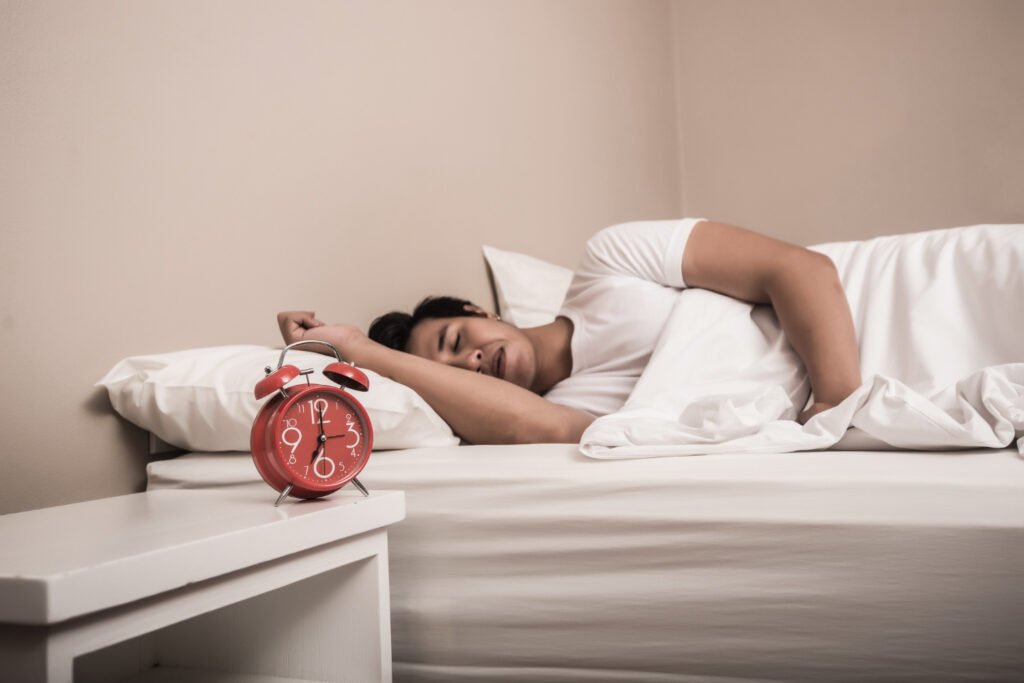
Your bedroom should have one purpose: sleep. Not work, not TV, not scrolling. When your brain associates the bedroom with sleep, it starts the shutdown process the moment you walk in.
Temperature: 65-68°F
Your core body temperature needs to drop for quality sleep. Most people keep their rooms too warm. Invest in cooling if necessary. A cold room with warm blankets beats a warm room every time.
Darkness: Complete
Blackout curtains or an eye mask. Even small amounts of light (from devices, streetlights, or hallway cracks) can disrupt melatonin production and sleep cycles. Your room should be dark enough that you can’t see your hand in front of your face.
Noise: Controlled
Silence is ideal. If you can’t achieve that (city noise, roommates, partner snoring), use white noise, earplugs, or both. Sudden noises fragment sleep even if you don’t fully wake up.
Bed Quality: Non-Negotiable
You spend a third of your life in bed. Cheap mattress, flat pillows, and worn sheets aren’t saving you money—they’re costing you sleep quality. Invest here. A quality mattress pays for itself in improved energy and recovery.
Electronics: Zero
No TV. No phone. No tablet. Charge everything outside the bedroom. If you absolutely need your phone nearby (on-call for work, emergency contact), put it face-down across the room in airplane mode.
The Pre-Sleep Ritual
This is the final 15-30 minutes before lights out. The goal is to create a consistent sequence your brain recognizes as the precursor to sleep.
Skincare/Hygiene Routine
Wash your face, brush teeth, floss. This serves double duty: oral health and ritual consistency. Your brain learns that teeth brushing means sleep is next.
Magnesium Supplementation
300-400mg of magnesium glycinate 30-60 minutes before bed. Magnesium promotes GABA activity (calming neurotransmitter) and supports deep sleep. Most guys are deficient anyway.
Other useful supplements: L-theanine (200mg), glycine (3g), or a small dose of CBD if it works for you. Avoid melatonin unless you’re dealing with jet lag or shift work—your body produces it naturally when you fix your routine.
Breathing Exercise
Four minutes of box breathing or 4-7-8 breathing activates your parasympathetic nervous system and reduces heart rate.
Box breathing: Inhale 4 counts, hold 4 counts, exhale 4 counts, hold 4 counts. Repeat.
4-7-8 breathing: Inhale 4 counts, hold 7 counts, exhale 8 counts. Repeat 4 times.
This works because controlled breathing directly influences your autonomic nervous system. You can’t think your way into relaxation, but you can breathe your way there.
Progressive Muscle Relaxation
Starting with your feet, tense each muscle group for 5 seconds, then release. Move up through calves, thighs, glutes, core, chest, arms, shoulders, neck, face.
This releases physical tension you didn’t know you were carrying and gives your mind something to focus on besides racing thoughts.
Read also: Morning Routines That Make Men More Productive and Confident
What to Avoid in the Evening
Caffeine After 2 PM
Caffeine has a half-life of 5-6 hours. That 3 PM coffee still has 50% of its caffeine in your system at 9 PM. Quarter of it remains at 3 AM. You might fall asleep, but your deep sleep suffers.
If you need afternoon energy, address the root cause (poor sleep, blood sugar crashes, overtraining) instead of masking it with stimulants.
Alcohol as a Sleep Aid
Alcohol might make you drowsy, but it fragments sleep and suppresses REM. You’ll pass out faster but wake up feeling unrested. Two drinks with dinner occasionally won’t destroy you. Nightly drinking to “relax” will.
Intense Mental Work
Spreadsheets, strategic planning, creative projects—these activate your prefrontal cortex and increase alertness. Your brain can’t switch from high-level problem-solving to sleep mode instantly. Give it transition time.
Emotionally Charged Content
News, political debates, horror movies, intense drama—anything that spikes anxiety, anger, or fear. Your nervous system doesn’t distinguish between real and perceived threats. Watching coverage of disasters triggers the same stress response as experiencing them.
Large Meals or Sugar
Eating heavy meals or sugar late causes blood sugar spikes and crashes during sleep, leading to fragmented rest and middle-of-the-night awakenings. Insulin and growth hormone compete—you can’t optimize both simultaneously.
Consistency: The Non-Negotiable Element
The most important part of any evening routine isn’t what you do—it’s doing it consistently. Your circadian rhythm operates on patterns. Irregular sleep schedules confuse your body’s internal clock.
Going to bed at 10 PM weekdays and 2 AM weekends is effectively giving yourself jet lag every week. Your Monday morning brain fog isn’t laziness—it’s circadian disruption.
Pick a bedtime that allows 7-9 hours before your wake time. Stick to it within 30 minutes every single day, including weekends. Yes, this means you might miss some social events. That’s the trade-off for actually having energy and focus.
After 2-3 weeks of consistency, your body will start preparing for sleep automatically around that time. You’ll get tired without forcing it. That’s your circadian rhythm working correctly.
Troubleshooting Common Sleep Issues
Racing Thoughts
Keep a notepad next to your bed. Write down any intrusive thoughts or tasks. Your brain will let them go once they’re captured. This is called a “worry dump” and it’s remarkably effective.
Can’t Fall Asleep After 20 Minutes
Get out of bed. Go to another room. Read under dim light until you feel sleepy. Don’t lie in bed awake—it trains your brain that bed is for being awake.
Waking Up in the Middle of the Night
Usually caused by blood sugar crashes, sleep apnea, or stress. Small protein/fat snack before bed can help (handful of nuts). If it persists, get a sleep study done.
Wake Up Before Alarm
Could indicate stress, cortisol dysregulation, or simply that you’ve gotten enough sleep. If you feel rested, this isn’t a problem. If you feel tired, you might be waking during a light sleep phase—try adjusting bedtime by 15-30 minutes.
Tracking and Optimization
You can’t improve what you don’t measure. Track sleep duration and quality for at least 30 days to identify patterns.
What to Track:
- Bedtime and wake time
- Total sleep duration
- Subjective sleep quality (1-10 scale)
- Energy levels next day
- Any substances consumed (caffeine, alcohol, supplements)
- Major stressors or life events
Simple spreadsheet works fine. Sleep tracking apps or wearables (Whoop, Oura Ring) provide additional data on REM, deep sleep, and heart rate variability if you want to go deeper.
After 30 days, you’ll see patterns. Maybe you sleep better on days you train. Maybe alcohol consistently ruins your sleep quality even though you “feel fine.” Maybe your optimal sleep duration is 7.5 hours, not 8.
Use this data to refine your routine. Small adjustments based on objective feedback beat guessing.
The Morning Connection
Your evening routine sets up your morning routine. When you wake up rested, you have energy for morning workouts, mental clarity for planning, and willpower for healthy decisions.
Guys who skip evening routines struggle with mornings. They hit snooze repeatedly, feel groggy, reach for multiple coffees, and spend the day in reactive mode.
Guys who nail their evenings wake up naturally, feel energized, and start the day in control. It’s not discipline—it’s proper recovery.
This is the compound effect. One good night of sleep makes tomorrow slightly better. Thirty consecutive nights transform your baseline. Ninety days and you’re operating at a level most guys never experience.
The Real ROI of Sleep
Better sleep means:
- Higher testosterone (up to 15% increase with proper sleep)
- Improved insulin sensitivity and fat loss
- Enhanced muscle recovery and growth
- Sharper cognitive function and decision-making
- Better emotional regulation and stress management
- Stronger immune function
- Reduced injury risk
Every aspect of being a high-value man—physical, mental, professional, relational—improves with quality sleep. Every aspect degrades without it.
The guys outperforming you aren’t necessarily more talented. They might just be better rested.
Start Tonight
Pick three elements from this article and implement them tonight:
- Set a phone curfew (1 hour before bed minimum)
- Dim the lights 2 hours before bed
- Take a hot shower 90 minutes before bed
That’s it. Three changes. Tomorrow night, add one more. Build the routine gradually over two weeks instead of overhauling everything at once.
Your sleep quality determines your life quality. Most guys know this intellectually but still treat evening routines as optional. Don’t be most guys.
The difference between where you are now and where you want to be might just be 8 hours of quality sleep and the evening routine that makes it possible.
FAQs
What time should I go to bed for optimal sleep?
There’s no universal “best” bedtime—it depends on your chronotype and schedule. However, sleep quality is generally higher when aligned with natural circadian rhythms.
For most people, falling asleep between 10-11 PM and waking between 6-7 AM aligns with cortisol and melatonin patterns.
The critical factor is consistency: going to bed and waking up at the same time daily (within 30 minutes) matters more than the specific time.
Track your energy and performance at different sleep schedules to find your optimal window.
How long does it take to establish an evening routine?
Behavioral research shows simple habits take 18-66 days to become automatic, with an average of 66 days for most routines. For evening routines specifically, most men notice improved sleep within 7-10 days of consistency, with the routine feeling natural after 3-4 weeks.
Start with 3-5 core behaviors, maintain them for 30 days minimum, then add complexity. The routine becomes easier as your circadian rhythm adjusts and your body starts anticipating sleep at the designated time.
Can I still have caffeine in the afternoon if I follow an evening routine?
Caffeine has a half-life of 5-6 hours, meaning a 2 PM coffee still has significant caffeine in your system at bedtime. While individual sensitivity varies, research shows caffeine consumed even 6 hours before bed reduces total sleep time by over an hour and decreases sleep quality.
If you struggle with sleep, cut caffeine after 12 PM for 2 weeks and measure the difference. Most men find they don’t actually need afternoon caffeine once their sleep quality improves—the need for it was a symptom of poor sleep, not an energy requirement.
What if my work schedule makes consistent bedtimes impossible?
Shift workers and those with irregular schedules face unique challenges, but consistency principles still apply within constraints. Focus on “anchor sleep” timing—keep your wake time consistent even if bedtime varies, and aim for the same total sleep duration.
Use blackout curtains for daytime sleep, create a strong wind-down ritual (even if it’s at 6 AM instead of 10 PM), and prioritize the controllable elements: dark room, cool temperature, no screens before sleep.
Consider strategic napping (20-30 minutes) to offset sleep debt, and consult a sleep specialist if your schedule causes chronic sleep deprivation.
Do supplements actually help with sleep quality?
Magnesium glycinate (300-400mg) has solid research supporting its effectiveness for sleep quality—most people are deficient, and it promotes GABA activity for deeper sleep.
L-theanine (200mg) and glycine (3g) also have evidence-based benefits for sleep onset and quality.
Melatonin works for circadian rhythm disorders like jet lag but isn’t recommended for daily use—it’s a hormone, and your body should produce it naturally with proper light exposure.
Avoid “sleep stacks” with 15 ingredients; stick to 1-2 evidence-based supplements. Most importantly, supplements should support a solid evening routine, not replace one. Fix behavior first, then add supplements if needed.
Read also: