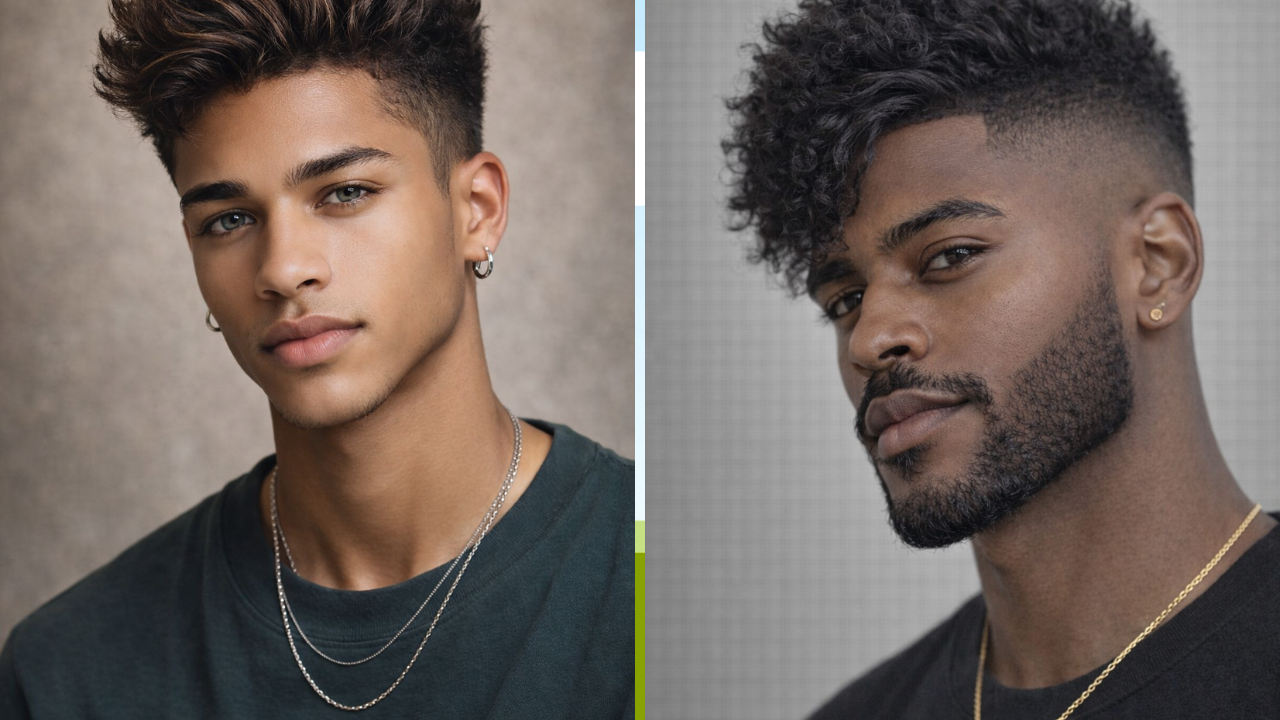
You’ve probably stood in front of the mirror after a haircut wondering why it doesn’t look quite right. The cut itself might be clean, the barber skilled, but something feels off.
Here’s what most guys don’t realize: the difference between a haircut that looks decent and one that makes you look like the best version of yourself comes down to one thing—face shape compatibility.
I’ve seen countless men chase trending styles without considering their bone structure, and it shows. The textured crop that looks incredible on your buddy with a square jaw might make your round face look fuller. That slicked-back undercut that dominated Instagram? It can elongate an already long face into unbalanced territory.
This isn’t about limiting your options. It’s about understanding which cuts naturally complement your features so you can walk out of the barbershop looking sharp every single time.
Let’s break down the best haircuts for each face shape in 2026, with real advice you can actually use.
Why Face Shape Actually Matters for Your Haircut
Your face shape determines how proportional and balanced a haircut looks on you. The goal isn’t to follow rigid rules—it’s to understand basic principles that help you make better decisions.
Think of it this way: certain cuts add visual height, others add width, and some do both. A round face benefits from height and angles that create the illusion of length.
An oblong face needs width and minimal top volume to avoid looking stretched. When you work with your natural structure instead of against it, haircuts require less styling, look better as they grow out, and photograph well from every angle.
The best barbers already think this way. They’re not just copying a reference photo—they’re adapting it to fit your specific features. Understanding your face shape gives you the vocabulary to communicate what you actually want and why certain adjustments matter.
How to Determine Your Face Shape
Stand in front of a mirror in good lighting. Pull your hair completely back so you can see your full hairline and jawline. Look at these four things:
Forehead width: Measure from the peak of one eyebrow arch to the other, across your forehead.
Cheekbone width: This is typically the widest part of your face, running from the outer corner of one eye to the other.
Jawline shape: Is it angular and defined, rounded and soft, or pointed at the chin?
Face length: Compare the vertical length from hairline to chin against the horizontal width at your cheekbones.
Most men fall into one of six categories: oval, round, square, oblong/rectangular, diamond, or heart/triangle. You might be a combination—like oval with a stronger jaw (oval-square)—and that’s normal. Use the dominant characteristics to guide your decisions.
Best Haircuts for Oval Face Shapes
If you’ve got an oval face, you won the genetic lottery in the haircut department. This is the most versatile face shape because it’s naturally balanced—forehead, cheekbones, and jawline are relatively proportional with a slightly narrower chin.
Top Styles for Oval Faces
The Modern Quiff
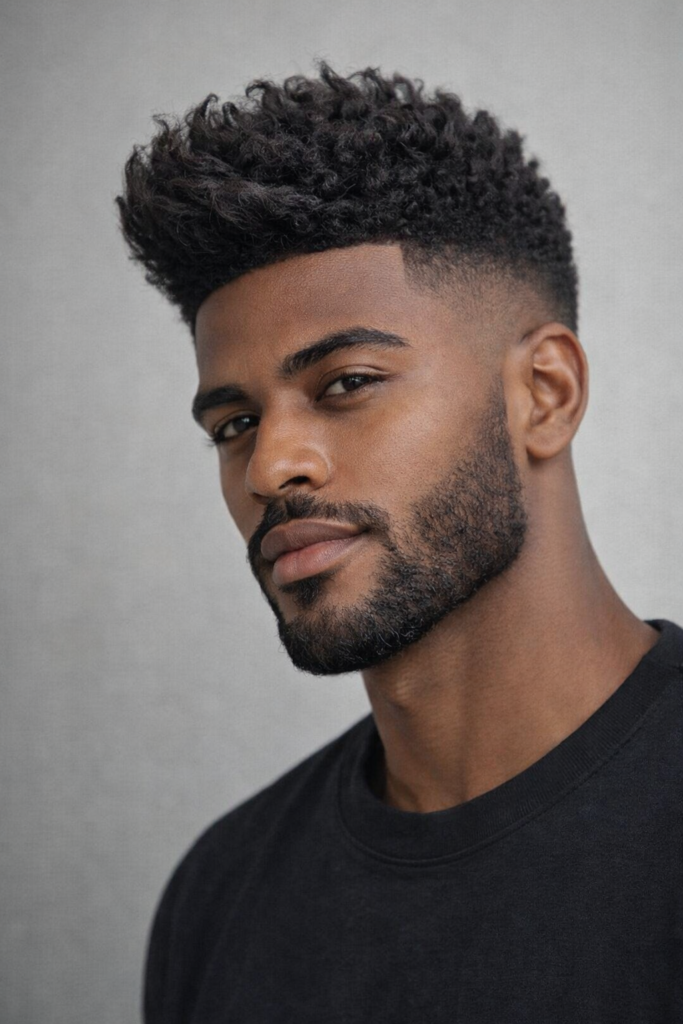
This cut keeps 3-4 inches on top with shorter sides (fade or taper). The volume and forward movement complement oval proportions without overwhelming them. It works for professional environments and weekend casual.
Textured Crop
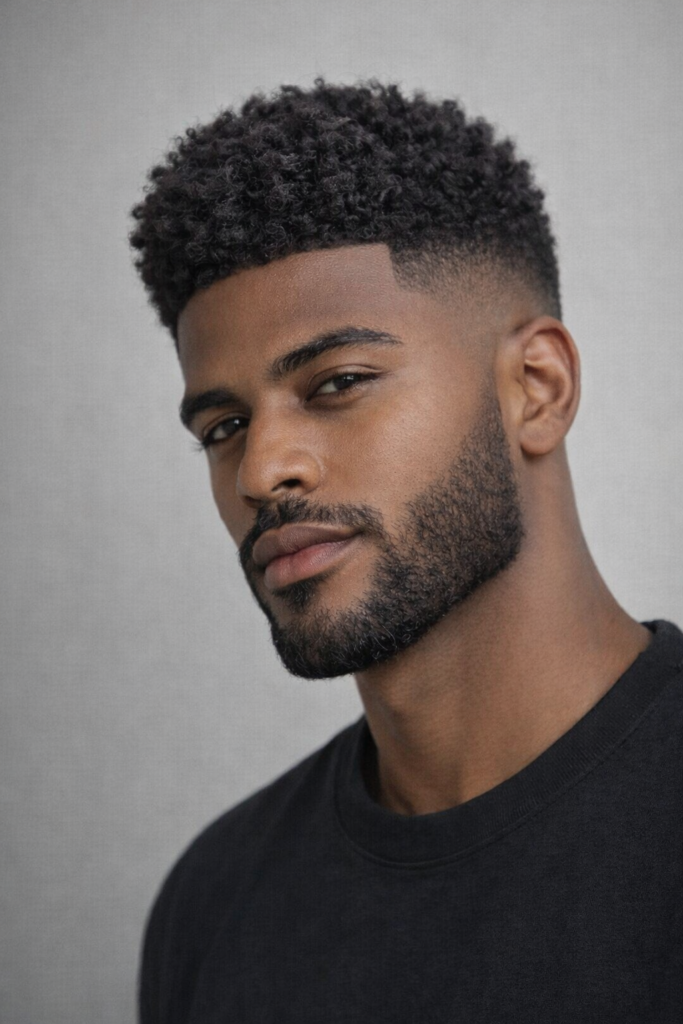
Short on the sides, slightly longer on top (1.5-2.5 inches), with choppy, piece-y texture. This is low-maintenance and looks natural, which is where men’s style is headed in 2026. The horizontal fringe adds subtle width without disrupting balance.
Classic Side Part:
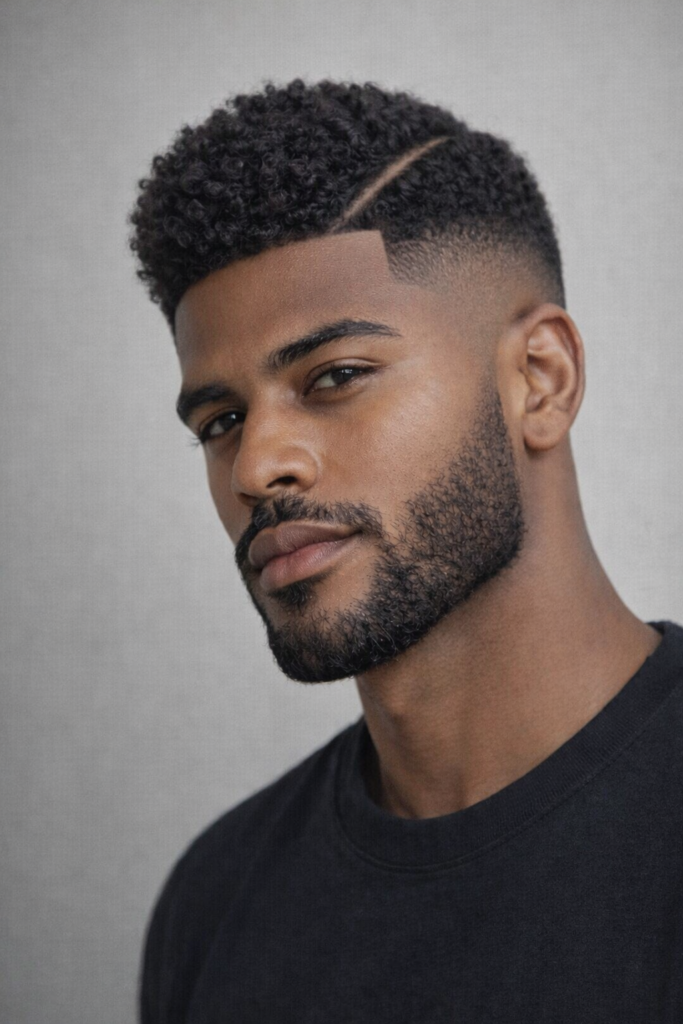
Medium length all around (2-3 inches on top, 1-1.5 inches on sides) with a defined part. This traditional cut works because oval faces don’t need dramatic proportional adjustments. Ask for a low-to-mid fade on the sides to keep it contemporary.
Longer Styles:
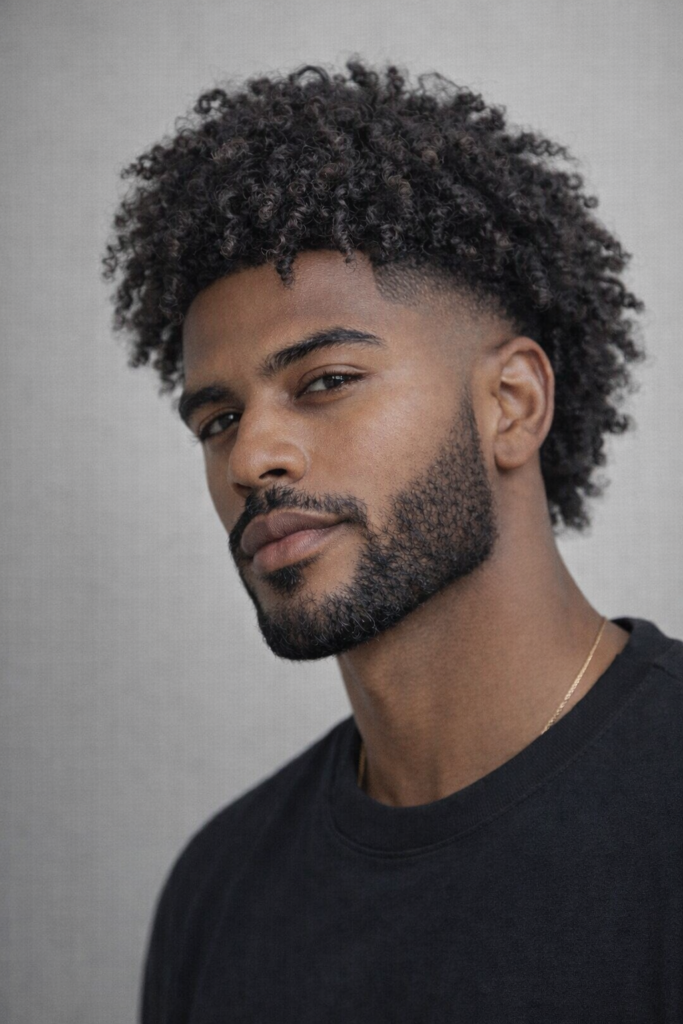
Shoulder-length hair, messy surfer cuts, and grown-out layered styles all work because your face won’t get lost in the hair. Just make sure to add layers for movement rather than letting it hang flat.
What to Tell Your Barber
“I want [specific style name] but keep it balanced. Don’t add too much height or width—keep the proportions natural.” Since you can pull off most styles, focus on texture, lifestyle, and maintenance level rather than corrective shaping.
Styling Tips
Oval faces can handle slicked-back looks, messy texture, side parts, and center parts equally well. Experiment with different products—matte clay for textured crops, medium-hold pomade for quiffs, light cream for natural movement. Your face shape won’t fight you.
Best Haircuts for Round Face Shapes
Round faces have similar width and length measurements with softer, curved jawlines and fuller cheeks. The strategy here is adding vertical lines and angles to create the illusion of length and definition.
Top Styles for Round Faces
High Fade with Volume on Top:
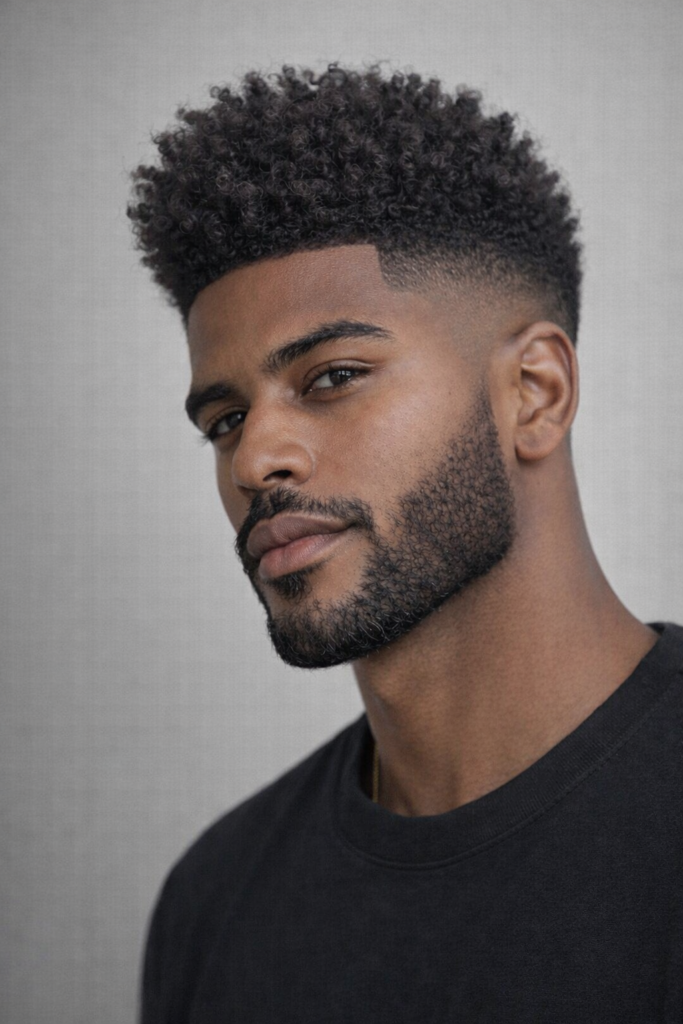
Keep 3-5 inches on top, styled upward. The fade should start high (above the temples) to add vertical length to your face. This is one of the most effective cuts for round faces because it literally elongates your appearance.
Pompadour or Faux Hawk:
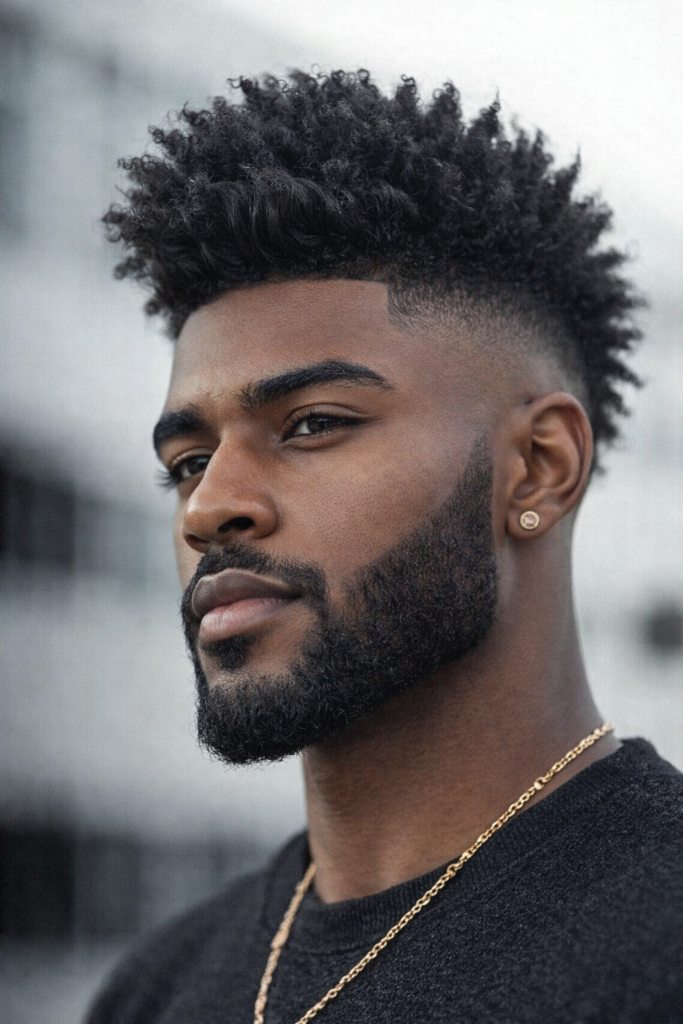
Both styles add significant height, which counterbalances facial width. A pompadour sweeps hair up and back with volume at the front. A faux hawk is more aggressive, with shorter sides and a distinct vertical ridge. Choose based on your personal style and workplace flexibility.
Angular Fringe with Tapered Sides:
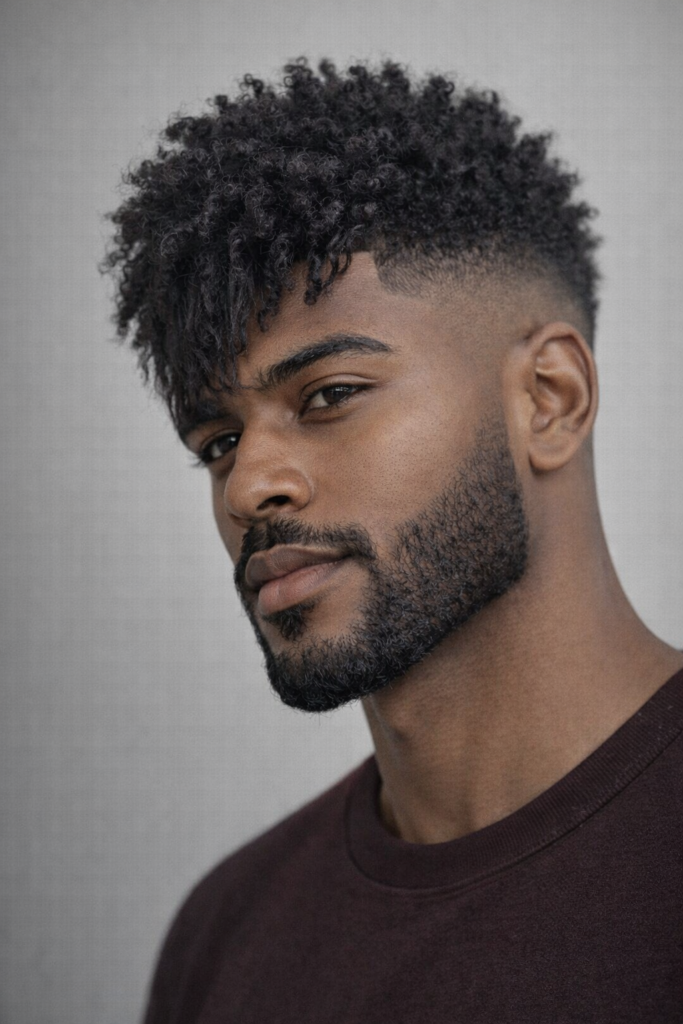
Instead of a straight-across fringe (which adds width), go for a diagonal or side-swept fringe that creates angles. Keep the sides tight with a taper or low fade.
Short Sides, Textured Top:
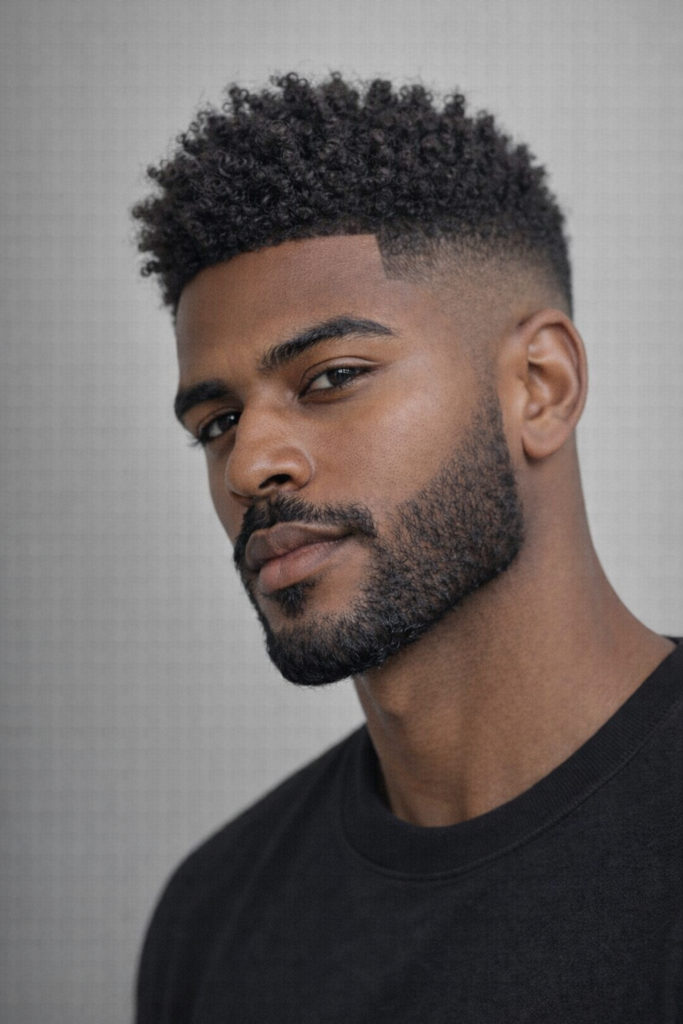
Think 0.5-1 inch on the sides, 2-3 inches on top with choppy texture. The contrast creates verticality without requiring daily styling. Push the top slightly to one side or back to avoid a round, mushroom-like silhouette.
What to Avoid
Skip cuts that add width: bowl cuts, straight-across fringes, and styles with too much volume on the sides. Also avoid extreme length all around—long hair that sits at the same level around your head will emphasize roundness.
What to Tell Your Barber
“I want height on top and clean, tight sides. I’m trying to add length to my face, so let’s avoid width and keep everything angled rather than rounded.” Show a reference photo but ask them to adjust the top volume for your hair type.
Styling Tips
Use a blow dryer to create lift at the roots. Apply volumizing mousse or sea salt spray to damp hair, blow dry upward using your fingers or a brush, then finish with a medium-hold product. The goal is vertical movement—even messy styles should lift rather than lie flat.
Best Haircuts for Square Face Shapes
Square faces have a broad forehead, wide jawline, and similar width and length measurements. The jaw is angular and defined. You’ve got strong, masculine features—the key is softening harsh angles without losing that strength.
Top Styles for Square Faces
Textured Quiff with Tapered Sides:
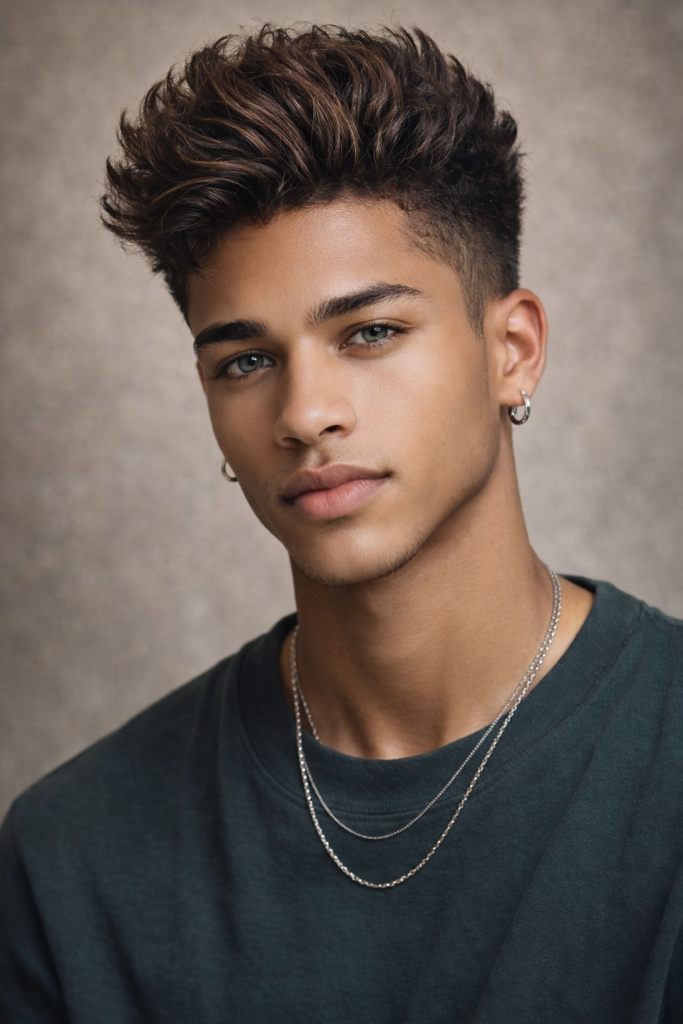
The textured, slightly messy quiff softens the angular jawline while the tapered sides (not a harsh fade) keep things balanced. Aim for 3-4 inches on top with movement in different directions.
Medium-Length Wavy or Curly Styles:
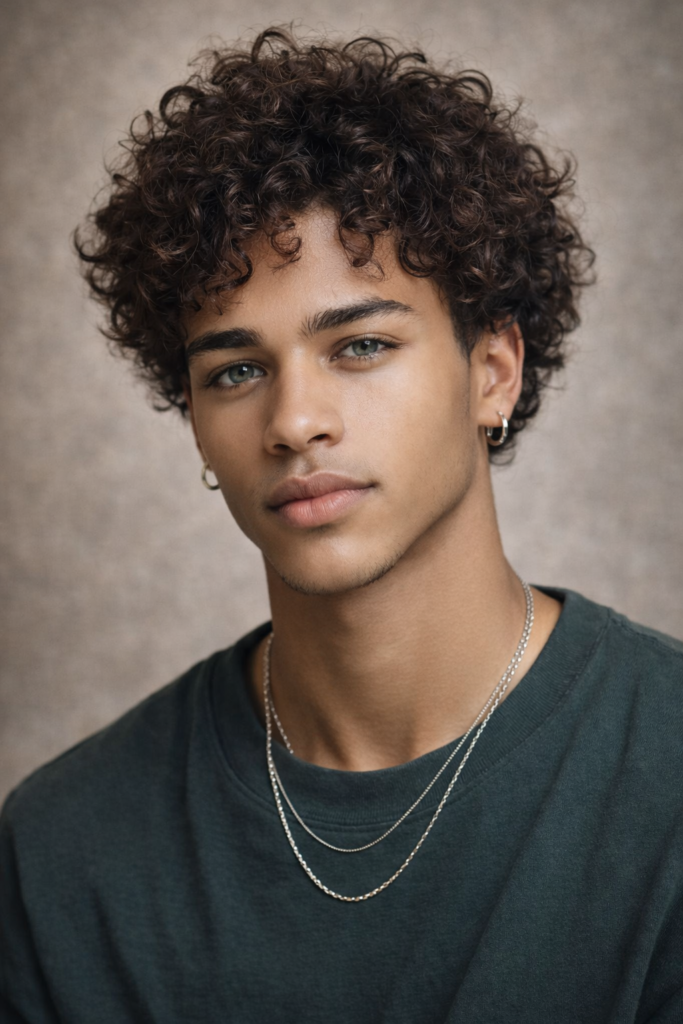
If you have natural wave or curl, let it work for you. Medium length (3-5 inches on top, 2-3 on the sides) with layers adds softness around the edges. This counters the geometric quality of your face without looking feminine.
Side-Swept Undercut:
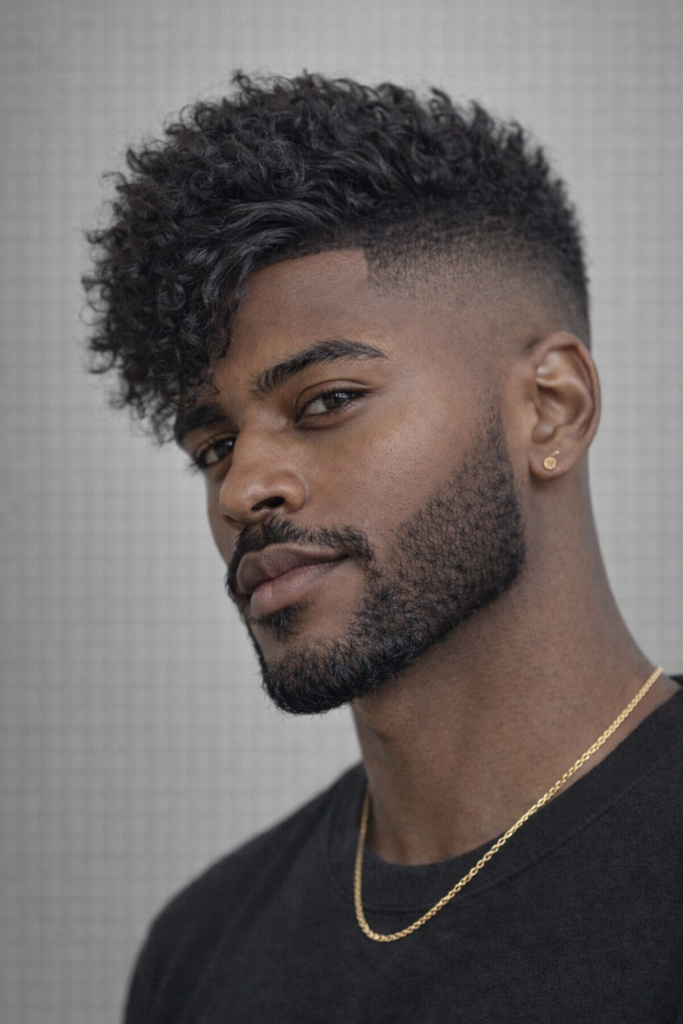
Keep one side shorter with a gradual fade, let the top sweep across and slightly down toward the longer side. This asymmetry breaks up the strong horizontal lines of your jaw and forehead.
Short Crop with Texture:
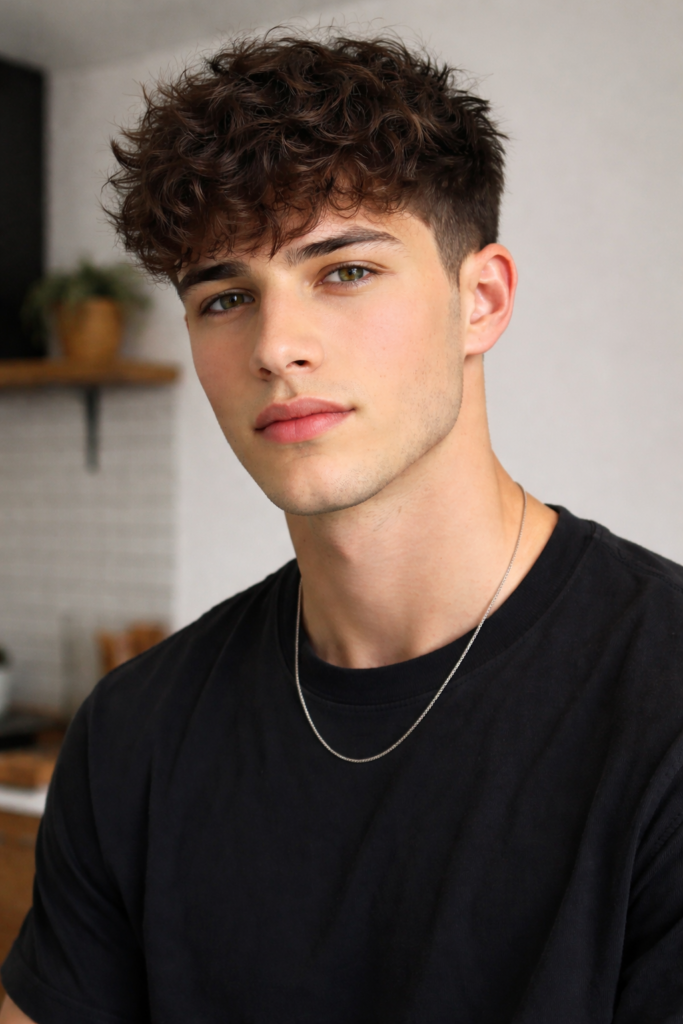
1-2 inches all over with choppy, piece-y texture. The irregular surface catches light differently and creates visual softness. Avoid military-style buzz cuts or slicked-back styles that emphasize every angle.
What to Avoid
Extremely short, uniform cuts make your face look even more geometric. Severe, straight lines (like blunt fringes or razor-sharp side parts) amplify the square quality rather than balancing it.
What to Tell Your Barber
“I want texture and movement to soften my jawline. Keep the sides clean but not too high or harsh—let’s go for a gradual taper instead of a skin fade.” If you’re getting a quiff or side-swept style, ask for the hair to be directed slightly forward or to the side rather than straight back.
Styling Tips
Embrace products that create texture: matte clays, fiber pastes, and texture sprays. Use your fingers to style rather than a comb—the goal is controlled messiness, not rigid structure. Let some pieces fall naturally across your forehead to break up straight lines.
Best Haircuts for Oblong/Rectangular Face Shapes
Oblong or rectangular faces are significantly longer than they are wide, with a similar-width forehead, cheekbones, and jaw. Some guys have more jaw definition (rectangular), others less (oblong), but the core challenge is the same: you need width, not height.
Top Styles for Oblong Faces
Medium-Length Side Part:

Keep 2-3 inches on top and sides, with a defined side part. The horizontal line of the part and the width of the style balances vertical length. This is a classic, professional look that naturally suits your proportions.
Fringe or Textured Bangs:

A fringe that covers part of your forehead visually shortens face length. Go for a textured, piece-y fringe rather than a heavy, straight one. Keep it just above or at eyebrow level.
Short Sides with Horizontal Volume:

Instead of pushing hair upward, style it with horizontal movement—sweep it to the side, create width through texture, or let it sit with natural volume. Think 2-3 inches on top, 1-1.5 inches on sides.
Longer Styles with Layers:
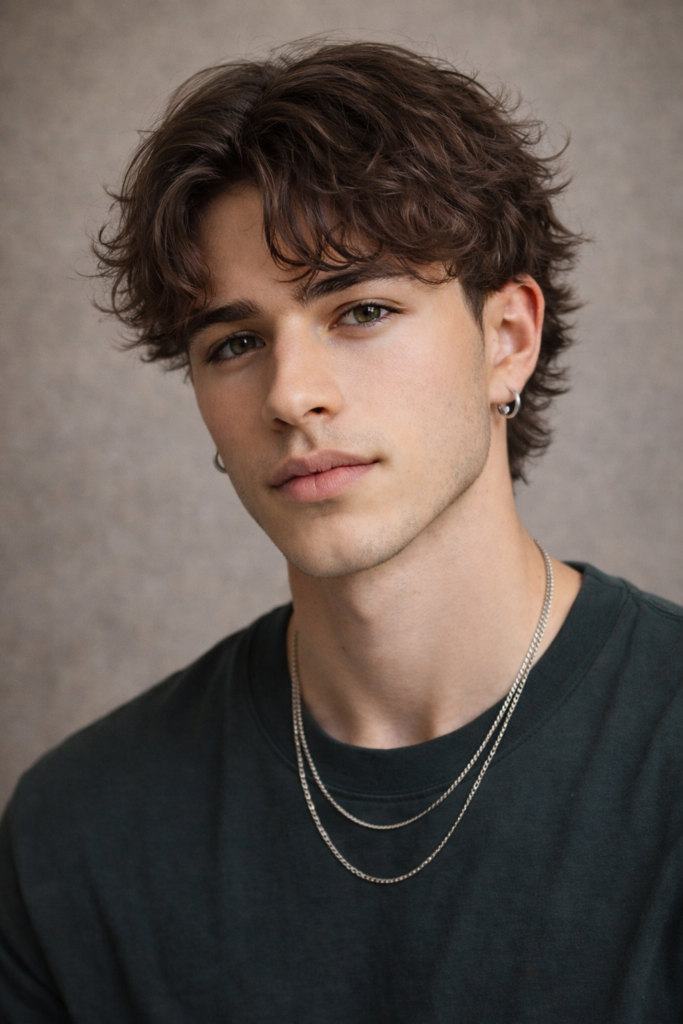
If you prefer longer hair, add layers that create width at the temples and cheekbones. Avoid long, straight styles that hang down and elongate your face further. Waves and texture help tremendously.
What to Avoid
High fades, pompadours, faux hawks, and any style that adds significant vertical height. Also skip very short buzz cuts—they make your face look longer by comparison.
What to Tell Your Barber
“I want to add width, not height. Keep the sides fuller and don’t take the top too high. I’m trying to balance the length of my face, so horizontal movement and a fringe would help.” Be specific that you don’t want a high fade or dramatic taper.
Styling Tips
Style your hair to the side or with a slight forward movement. Use products that add volume and width without lift: medium-hold creams, styling pastes, or light pomades. Blow dry to the side rather than upward. If you have a fringe, make sure it’s textured and sits naturally across your forehead.
Best Haircuts for Diamond Face Shapes
Diamond faces have wide cheekbones with a narrower forehead and chin. This shape is less common but distinct—you need to add width at the forehead and jawline while managing cheekbone width.
Top Styles for Diamond Faces
Textured Quiff with Fuller Sides:

Keep 3-4 inches on top with texture and movement. Don’t go too short on the sides—maintain 1-2 inches to add width at the temples and balance the cheekbones.
Side Part with Volume:

A defined side part with styled volume creates width at the forehead. Keep the sides at a medium length rather than faded down to skin.
Longer, Layered Styles:
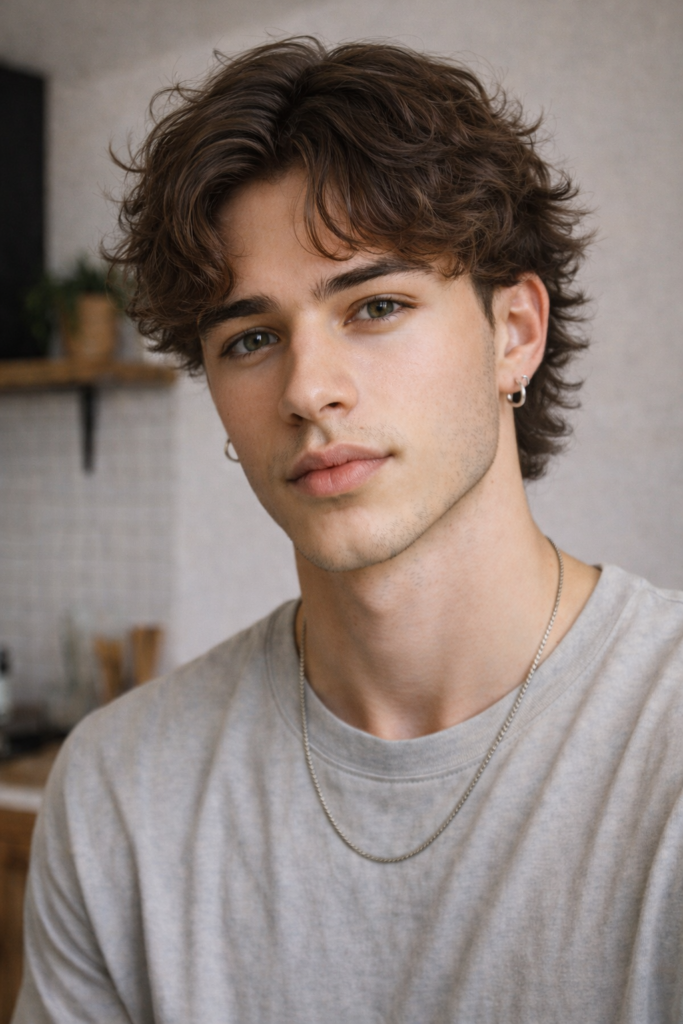
If you go longer, add layers that create width at the top and bottom thirds of your face. Let hair fall naturally around the jawline and keep some fullness at the crown and temples.
Short Crop with Textured Fringe:

A textured fringe adds width to the forehead, balancing the narrow upper face. Keep the sides at a moderate length to avoid emphasizing cheekbone width.
What to Avoid
Slicked-back styles that pull all hair away from the forehead will make the upper third of your face look too narrow. Very short sides make your cheekbones the widest point by comparison.
What to Tell Your Barber
“I want to add width at my forehead and keep the sides at a medium length. Don’t go too tight on the fade—I need balance at the temples.” Explain that your cheekbones are the widest part of your face and you want to create proportion above and below them.
Styling Tips
Use products that allow movement and volume without excessive slickness. Push hair slightly forward or to the side at the top to create forehead width. Keep some texture around the jawline if you have longer hair.
Best Haircuts for Heart/Triangle Face Shapes
Heart or triangle faces have a wide forehead and narrow, pointed chin. The goal is to add width at the chin and jawline while minimizing forehead width.
Top Styles for Heart Faces
Textured Crop with Fuller Sides:
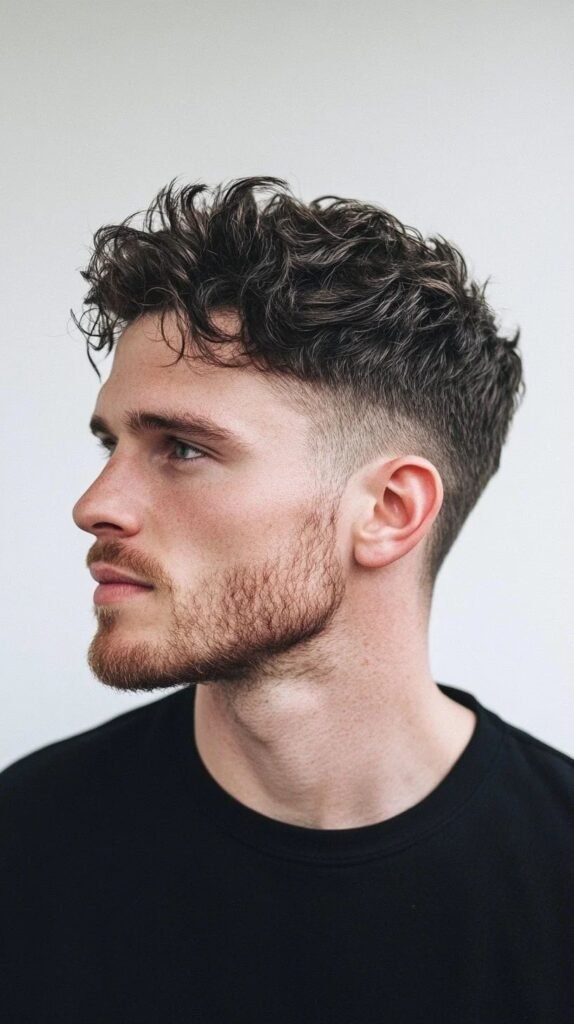
Keep the top at 2-3 inches with texture, and maintain fuller sides (1-1.5 inches) that add width near the jawline. This balances the narrow chin.
Side-Swept Style with Volume at Jawline:
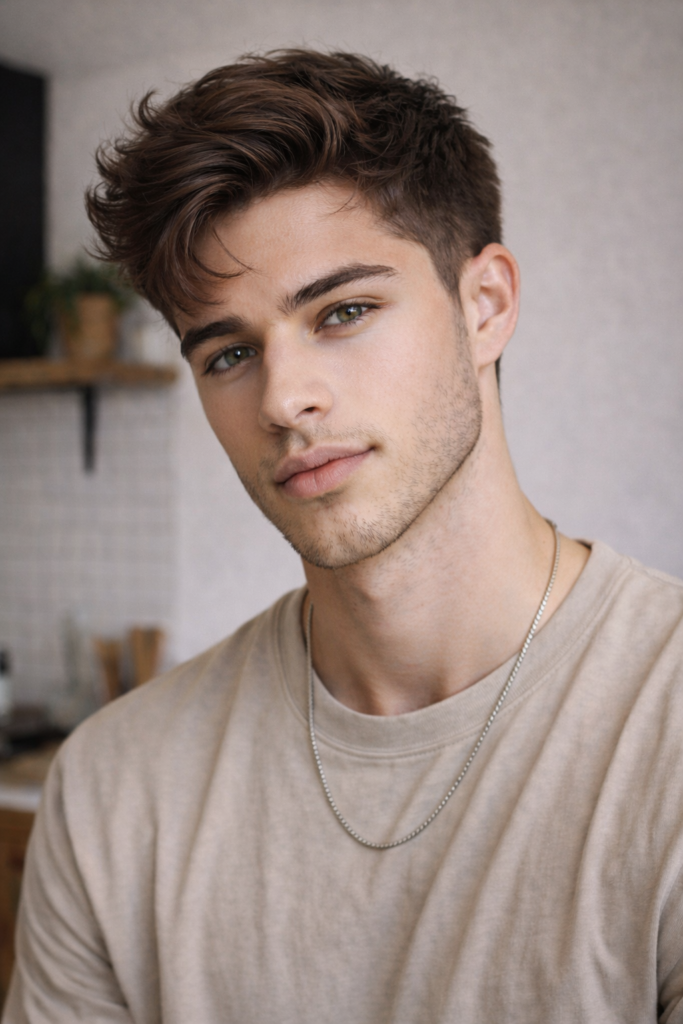
If you have medium-length hair, style it with volume and movement that sits at or below ear level. This creates visual width where you need it.
Short Beard Combination:

This isn’t a haircut, but it’s worth mentioning—a well-maintained beard adds width at the jaw and balances a heart-shaped face better than almost any haircut alone.
Messy, Textured Styles:
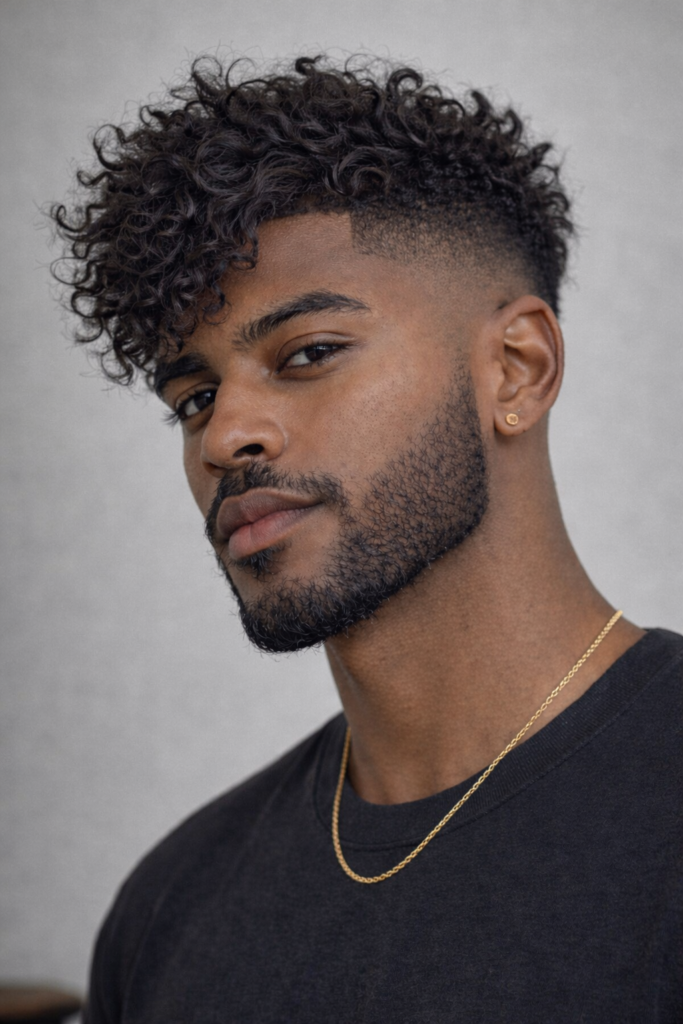
Avoid sleek, pulled-back looks that expose the full width of your forehead. Instead, let textured hair fall naturally with some fringe or forward movement.
What to Avoid
Slicked-back pompadours, high and tight cuts, and styles that push all hair away from the face will emphasize the wide forehead and narrow chin.
What to Tell Your Barber
“I want texture and movement with fuller sides. Don’t go too short on the sides—I’m trying to add width at my jawline and balance my forehead.” Ask about incorporating a slight fringe or forward texture.
Styling Tips
Style with natural texture and avoid products that create too much shine or slickness. Use your fingers to create piece-y movement. If you can grow facial hair, even a light stubble or short beard makes a significant difference in facial balance.
Hair Type Considerations: Making Any Cut Work for You
Face shape is one piece of the puzzle. Hair type—thickness, texture, and growth patterns—determines which styles are realistic and how much daily effort they require.
Thin/Fine Hair: Avoid styles that require significant volume or thickness. Textured crops, short-to-medium styles with layers, and cuts that use your hair’s natural fall work best. Products: volumizing mousse, sea salt spray, light clay.
Thick Hair: You have natural volume, which is an advantage. Most styles work, but you’ll need regular trims to prevent bulk. Thinning shears help manage density without losing length. Products: strong-hold pomades, heavy clays, creams.
Curly Hair: Work with your curl pattern, not against it. Fades with curly tops, grown-out textured styles, and medium-length cuts with defined curls all look excellent. Avoid fighting your natural texture with heat styling. Products: curl creams, leave-in conditioner, light gels.
Straight Hair: Easier to style into structured looks like pompadours, slick-backs, and side parts. Requires product for texture and hold since it won’t naturally create volume. Products: matte clay, fiber paste, medium-hold pomade.
Wavy Hair: The most versatile texture. You can enhance waves for a relaxed look or straighten slightly for cleaner styles. Sea salt spray and light styling cream are your best friends.
How to Communicate with Your Barber
Bring a reference photo, but don’t expect an exact replica. Your hair type, density, growth patterns, and face shape are unique. Instead, say this:
“Here’s the general style I like. Can you adapt it for my face shape and hair type? I’m specifically trying to [add height/create width/soften angles/etc.].”
Ask questions: “How much daily styling will this require?” “What products do I need?” “How will this look as it grows out?” A good barber will be honest about what’s realistic.
Use descriptive language: “I want texture, not a clean, sleek look.” “I need something low-maintenance.” “I want a fade that starts mid-way up, not at the skin.”
Maintenance and Styling Effort
Low Maintenance (5-10 minutes daily): Textured crops, short styles, natural waves or curls. Requires a good cut and minimal product.
Medium Maintenance (10-20 minutes): Quiffs, side parts, medium-length textured styles. Needs blow drying and product application.
High Maintenance (20+ minutes): Pompadours, slicked-back undercuts, precise styles requiring heat tools and multiple products.
Be realistic about your morning routine. The best haircut is one you’ll actually style. If you’re not going to spend 20 minutes blow-drying and applying three products, don’t get a pompadour—get a textured crop that looks good with 30 seconds of finger-styling.
Common Mistakes Men Make with Haircuts
Chasing trends without considering face shape: The taper fade might be popular, but if you have an oblong face and get a high fade with a pompadour, you’re making your face look longer.
Ignoring hair type: Asking for a thick, voluminous quiff when you have fine hair sets you up for disappointment and daily frustration.
Poor communication: Saying “just clean it up” or “the usual” when you actually want something different. Be specific.
Not maintaining the cut: Most styles need a trim every 3-5 weeks. Letting it grow out too long turns a sharp cut into a shapeless mess.
Using the wrong products: Clay when you need pomade, gel when you need cream. Ask your barber what to use and how much.
Product Categories You Actually Need
You don’t need a bathroom counter full of products. Here’s what matters:
Matte Clay or Fiber Paste: For textured, natural-looking styles with medium hold. Use on dry or slightly damp hair.
Pomade (oil-based or water-based): For slicked-back looks, side parts, and classic styles. Provides shine and strong hold.
Sea Salt Spray or Texture Spray: Adds volume and grit, especially good for thin hair or wavy hair. Use on damp hair before styling.
Styling Cream or Lotion: Light hold with natural finish. Good for longer styles and hair that needs moisture without weight.
Start with one product that matches your desired style. Learn how to use it properly—amount, application method, and whether to use it on damp or dry hair. Add more products only if you genuinely need them.
Step-by-Step: Styling a Textured Quiff (Most Versatile Style)
This works for most face shapes with minor adjustments and suits straight, wavy, or loosely curly hair.
- Start with damp hair: Towel-dry after showering. Hair should be 70-80% dry.
- Apply product: Take a dime-sized amount of matte clay or styling cream, rub between your palms, and work through the top section of your hair. Focus on roots for volume.
- Blow dry for lift: Using medium heat, blow dry upward and back from your hairline. Use your fingers or a brush to direct hair as you dry.
- Create texture: Once dry, use your fingers to create piece-y separation. Pinch small sections and pull them in slightly different directions.
- Set the shape: Push the front section up and slightly back, creating volume at the hairline. Let the top fall naturally with texture.
- Finish: If needed, add a tiny bit more product for hold. Avoid touching it throughout the day—the oils from your hands break down the product.
Total time: 5-8 minutes. As you get better, you’ll do it in 3-4.
Making Your Haircut Last
Shampoo less frequently: 2-3 times per week for most hair types. Overwashing strips natural oils and makes hair harder to style.
Use conditioner: Even on short hair, it keeps hair healthy and manageable.
Get regular trims: Every 3-5 weeks maintains the shape. Waiting 8-10 weeks means you’re constantly dealing with an overgrown style.
Protect from heat: If you use a blow dryer daily, use a heat protectant spray. Excessive heat damages hair structure.
Adjust as hair grows: Some styles look better slightly grown out. Others need precision. Know which category your cut falls into.
The Bottom Line
The best haircut for you isn’t the one trending on social media or the one your favorite actor has. It’s the one that fits your face shape, works with your hair type, matches your lifestyle, and makes you feel confident when you look in the mirror.
Start with understanding your face shape. Choose a cut that creates balance—adding height where you need it, width where it’s missing, or softness where there are hard angles. Communicate clearly with your barber about what you’re trying to achieve. Commit to the minimal maintenance required to keep the style looking sharp.
You don’t need a perfect face or perfect hair. You need a haircut that works with what you have. That’s the difference between looking like you’re trying too hard and looking like you’ve got your style figured out. Get the right cut for your face, learn to style it in under ten minutes, and that’s one less thing to think about in the morning.
Read also: