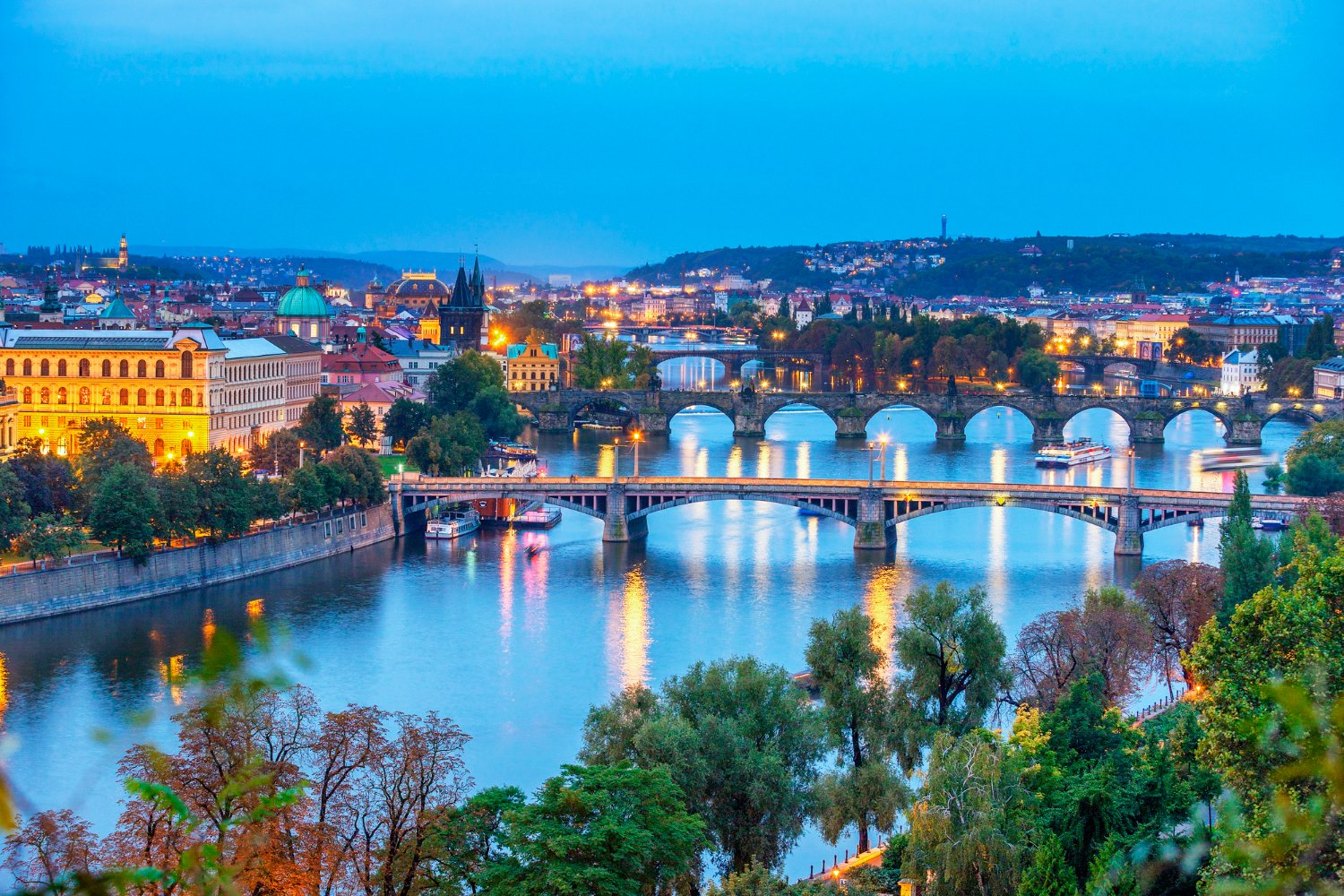
Europe. Just saying the word conjures images of cobblestone streets, medieval castles, sun-drenched coastlines, and café culture that makes you want to linger for hours.
But here’s the thing—with 44 countries packed into one continent, figuring out where to actually go can feel overwhelming.
I’ve spent years crisscrossing Europe, from the Arctic Circle to the Mediterranean, and I’m here to cut through the noise. Whether you’re planning your first European adventure or your fifteenth, this guide will walk you through the absolute best places to visit in Europe—the destinations that deliver unforgettable experiences, incredible value, and those “pinch me, I’m really here” moments.
Let’s dive into the Europe travel destinations that should be at the top of your list.
Why Europe Should Be on Every Traveler’s Bucket List
Before we get into specific locations, let’s talk about why Europe remains the world’s most visited continent.
The diversity is unmatched—you can have breakfast in Paris, lunch in Brussels, and dinner in Amsterdam, all in one day.
The train connections are phenomenal, the history runs thousands of years deep, and honestly? The food and wine alone are worth the flight.
Europe manages to blend old-world charm with modern convenience in a way nowhere else does.
You’ll find yourself wandering through 2,000-year-old ruins with excellent WiFi, or hiking dramatic mountain trails before enjoying a Michelin-starred meal that same evening.
Top 5 Must-Visit Places in Europe for First-Timers
1. Paris, France – The City That Never Gets Old
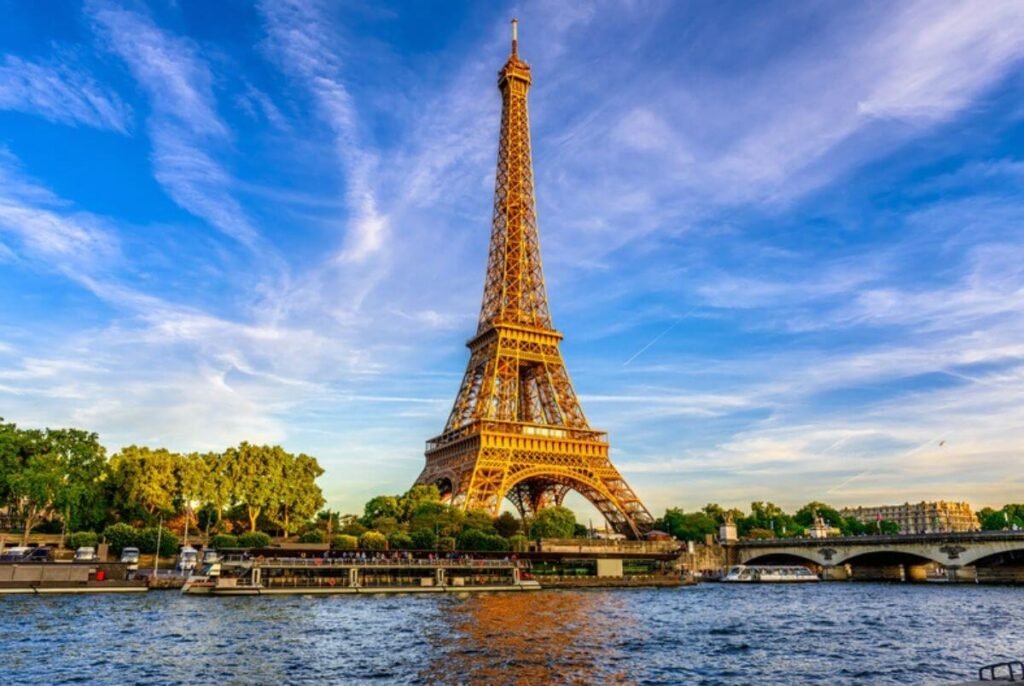
Paris earns its spot on every Europe bucket list for good reason. Yes, it’s crowded. Yes, it’s touristy. And yes, it’s absolutely worth it.
The Eiffel Tower at sunset, the Louvre’s glass pyramid glowing at night, croissants that literally melt in your mouth—Paris delivers on its promises.
But here’s my insider tip: skip the tourist restaurants around the Eiffel Tower and head to the 11th arrondissement instead. You’ll find authentic bistros where locals actually eat, and your wallet will thank you.
Pro tip: Buy your museum tickets online in advance. The lines at the Louvre and Musée d’Orsay can eat up half your day otherwise.
2. Rome, Italy – Where History Lives and Breathes
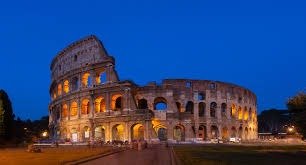
Walking through Rome feels like stepping into a living museum. The Colosseum, the Pantheon, the Trevi Fountain—these aren’t just tourist attractions, they’re architectural marvels that have stood for millennia.
But Rome is more than ancient ruins. It’s also about tossing back espresso at a counter bar, getting lost in Trastevere’s winding streets, and discovering that the best carbonara of your life comes from a tiny restaurant with no English menu.
Insider insight: Visit the Colosseum first thing in the morning or late afternoon. The midday crowds are brutal, and the Mediterranean sun shows no mercy.
3. Barcelona, Spain – Where Art Meets the Sea
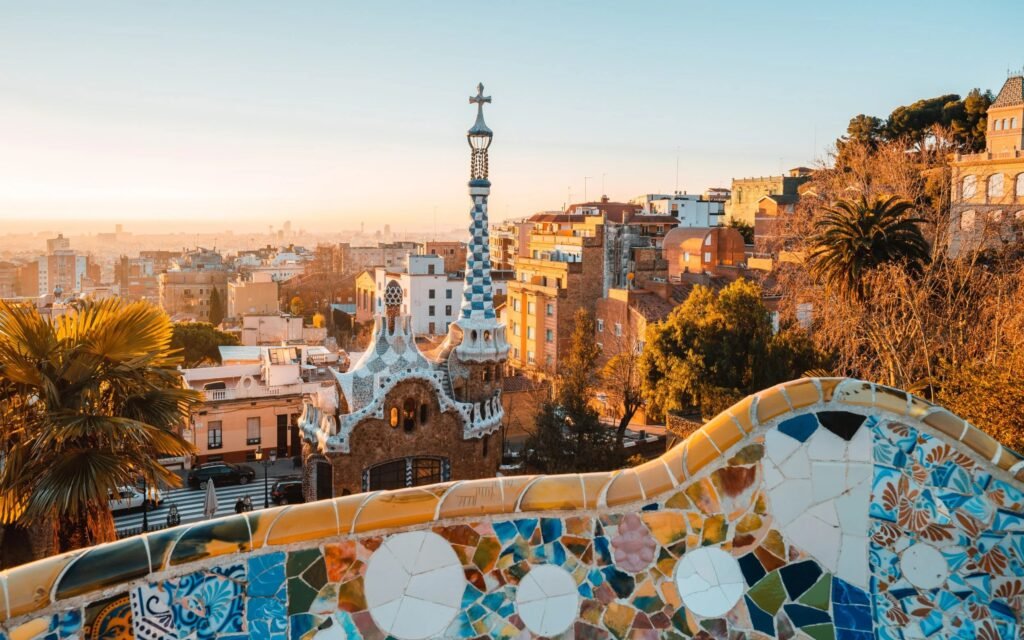
Barcelona is where Gaudí’s architectural genius collides with Mediterranean beach culture. The Sagrada Família alone justifies the trip—this basilica has been under construction since 1882 and still takes your breath away.
Wander through the Gothic Quarter’s narrow medieval streets, catch sunset from Park Güell, then dive into the tapas scene in El Born. Barcelona understands the art of living well.
Money-saving tip: The Barcelona Card offers free public transport and discounts on major attractions. If you’re planning to see multiple sites, it pays for itself quickly.
4. Amsterdam, Netherlands – Canals, Culture, and Cycling
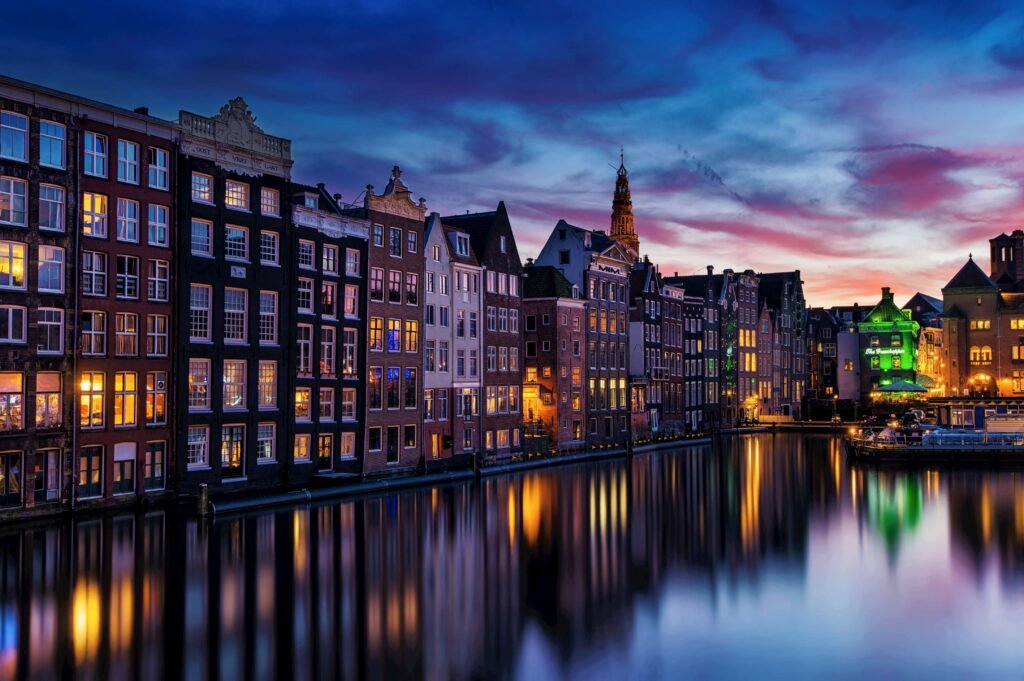
Amsterdam is one of Europe’s most photogenic cities, with its 17th-century canal houses and thousands of bicycles creating scenes straight out of a postcard. But it’s also surprisingly compact—you can walk or bike everywhere.
Beyond the Anne Frank House and Van Gogh Museum (both excellent), Amsterdam rewards wanderers. Grab a stroopwafel from a street vendor, explore the Jordaan neighborhood’s indie boutiques, or simply sit canal-side with a beer and watch the boats drift by.
Important note: Book Anne Frank House tickets at least two months ahead. They sell out fast, and there’s no way to get in without a reservation.
5. Santorini, Greece – Postcard-Perfect Paradise
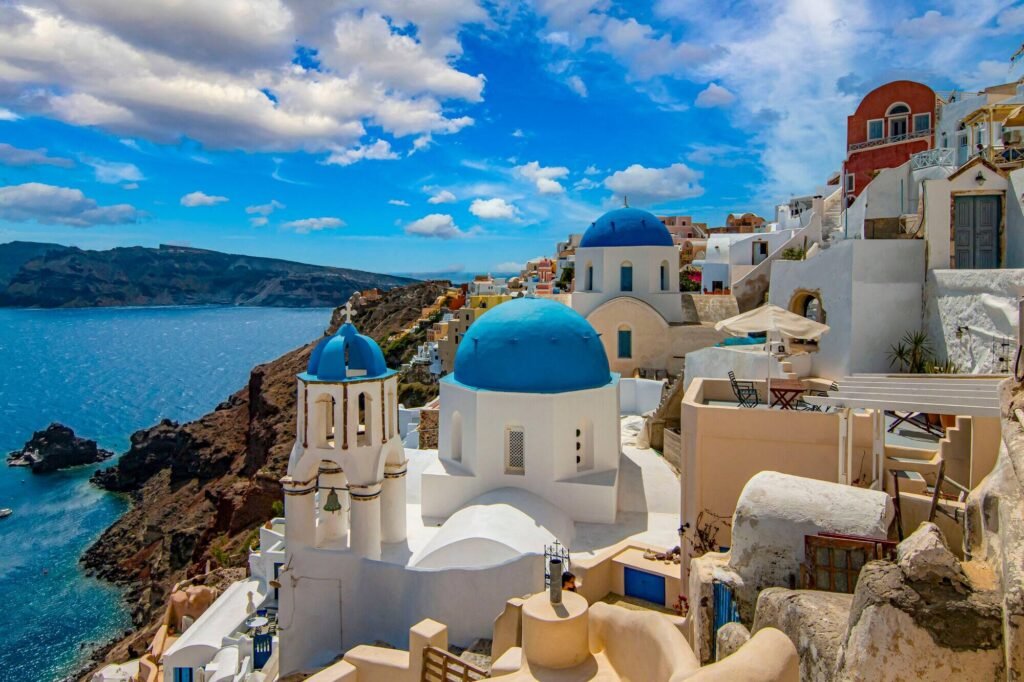
Those white-washed buildings with blue domes overlooking the Aegean Sea? That’s Santorini, and it looks exactly like the photos. This volcanic island delivers romance, stunning sunsets, and some of Greece’s best wine.
Yes, it’s expensive. Yes, it gets crowded in summer. But watching the sunset from Oia, swimming in the volcanic beaches, and exploring ancient Akrotiri make it one of the must-visit places in Europe that lives up to the hype.
Budget hack: Stay in Fira or Firostefani instead of Oia. You’re a 20-minute walk from the famous sunset views but pay half the price for accommodation.
6 Hidden Gem Europe Travel Destinations You Can’t Miss
6. Porto, Portugal – Underrated and Unforgettable
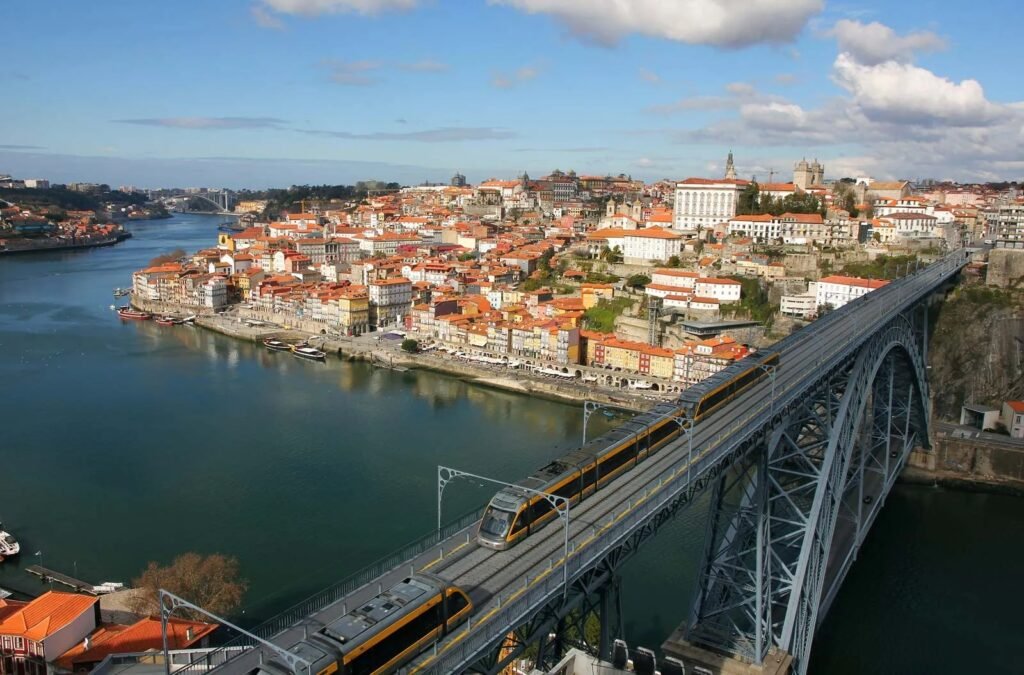
Porto flies under the radar compared to Lisbon, which is exactly why you should go. This riverside city offers stunning azulejo tiles, port wine cellars you can tour, and the magical Livraria Lello bookstore that inspired Harry Potter.
The food scene is incredible and affordable, the people are genuinely warm, and the Douro Valley wine region is just an hour away. Porto gives you that authentic European experience without the massive crowds.
7. Edinburgh, Scotland – Medieval Magic Meets Modern Edge
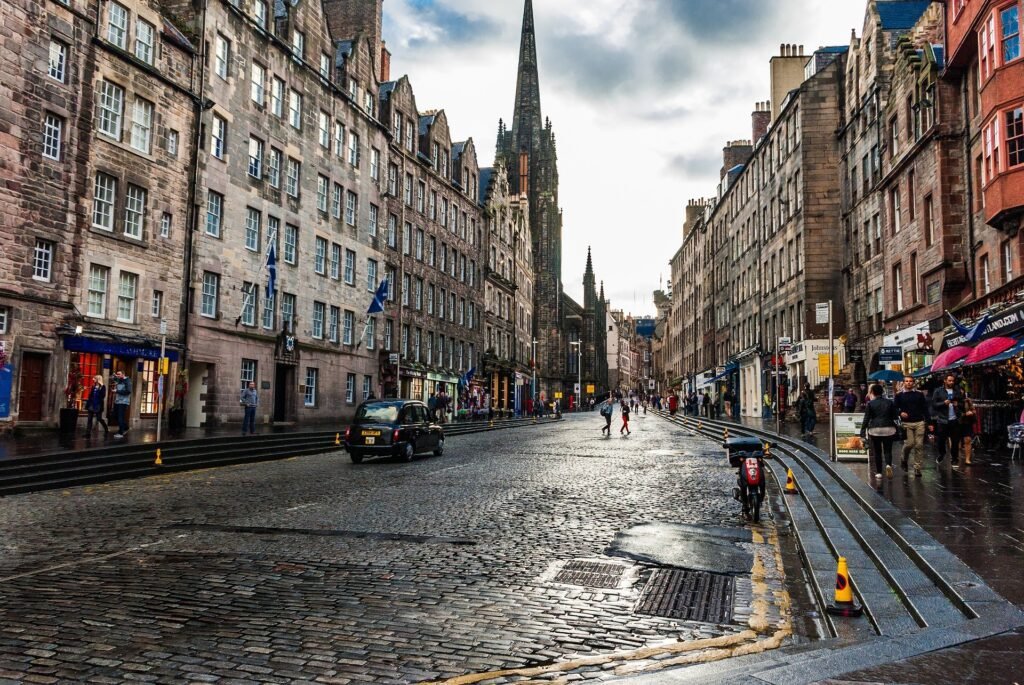
Edinburgh’s Old Town feels frozen in time, with its medieval architecture and the imposing Edinburgh Castle dominating the skyline. But this city also has a vibrant arts scene, incredible whisky bars, and some of the UK’s best restaurants.
Hike up Arthur’s Seat for panoramic views, explore the Royal Mile’s hidden closes (alleyways), and if you visit in August, the Edinburgh Fringe Festival transforms the entire city into a performing arts carnival.
8. Dubrovnik, Croatia – The Pearl of the Adriatic
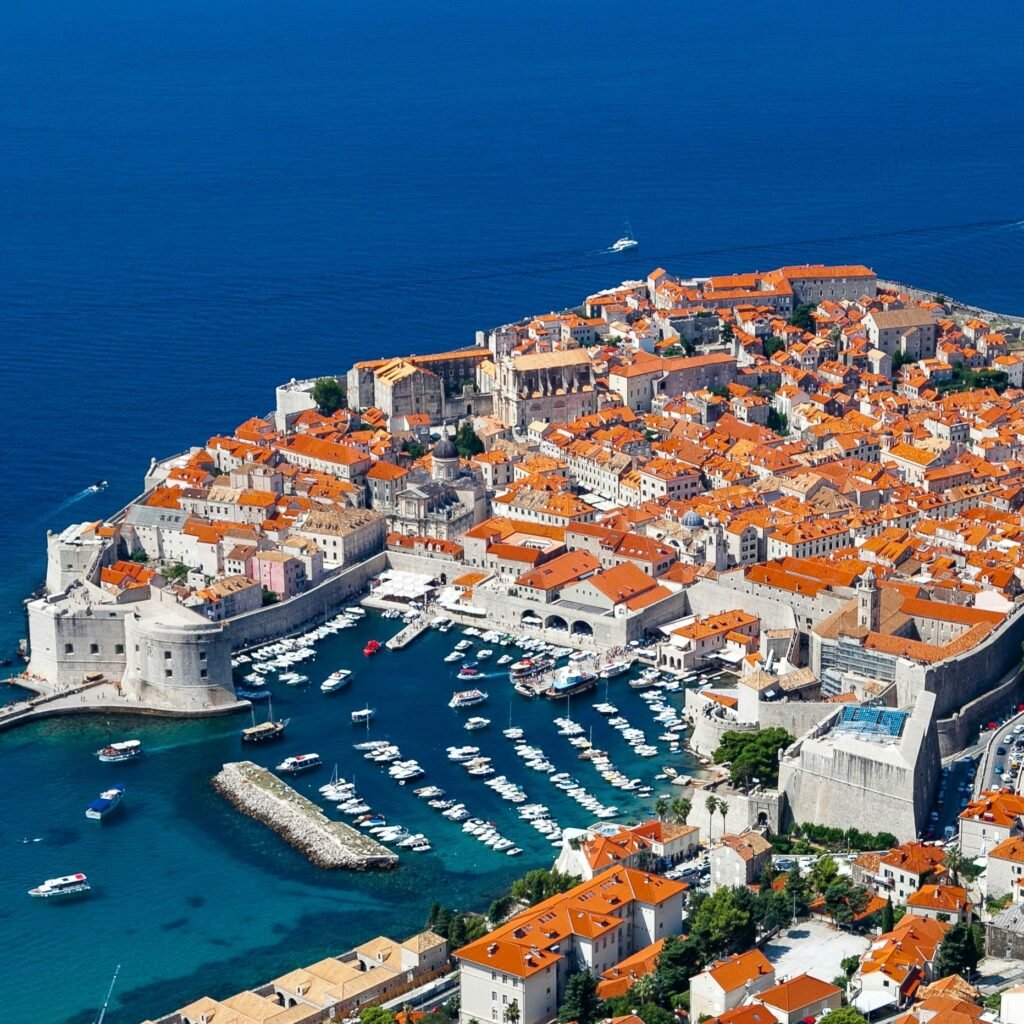
Game of Thrones fans know Dubrovnik as King’s Landing, but this walled city is spectacular regardless of your TV preferences. Walk the ancient city walls, kayak to nearby islands, and watch sunset from a clifftop bar overlooking the impossibly blue Adriatic.
Croatian food blends Italian and Balkan influences in the best way possible, and your euro stretches much further here than in Western Europe.
Timing tip: Visit in May, June, or September. July and August bring cruise ship crowds that can overwhelm this small historic center.
9. Bruges, Belgium – A Fairytale Come to Life
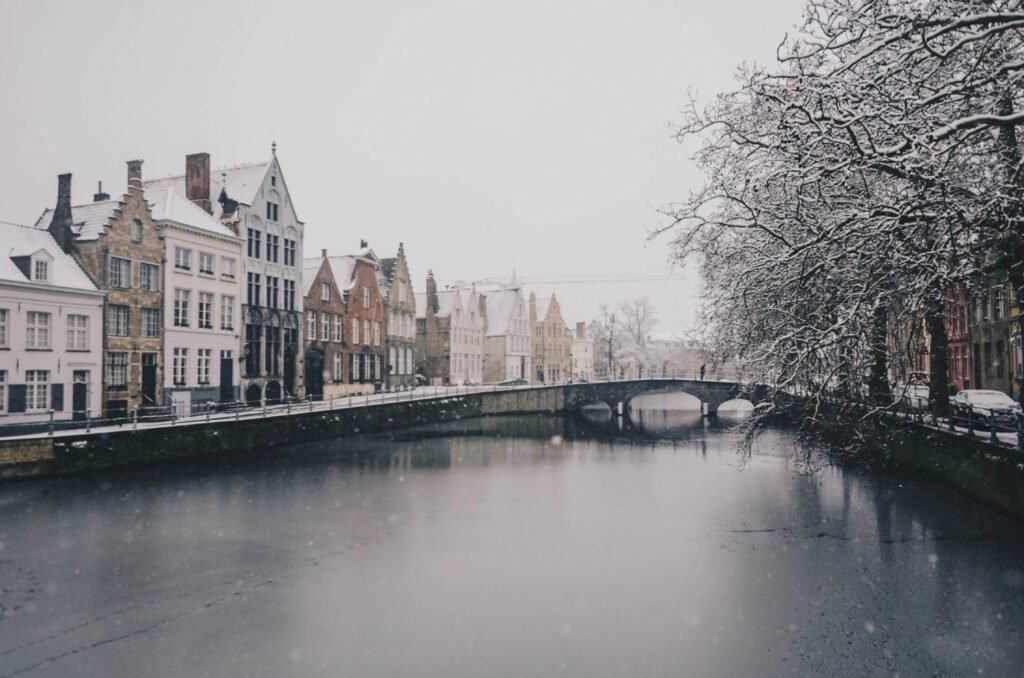
Bruges looks like it was designed by someone who read too many fairytales—and that’s a compliment. Medieval buildings line romantic canals, church bells echo through cobblestone squares, and chocolate shops appear on every corner.
It’s small enough to explore in a day or two, making it perfect for a quick escape. Don’t miss climbing the Belfry tower for rooftop views, or taking a boat tour through the canals.
10. Hallstatt, Austria – Alpine Perfection
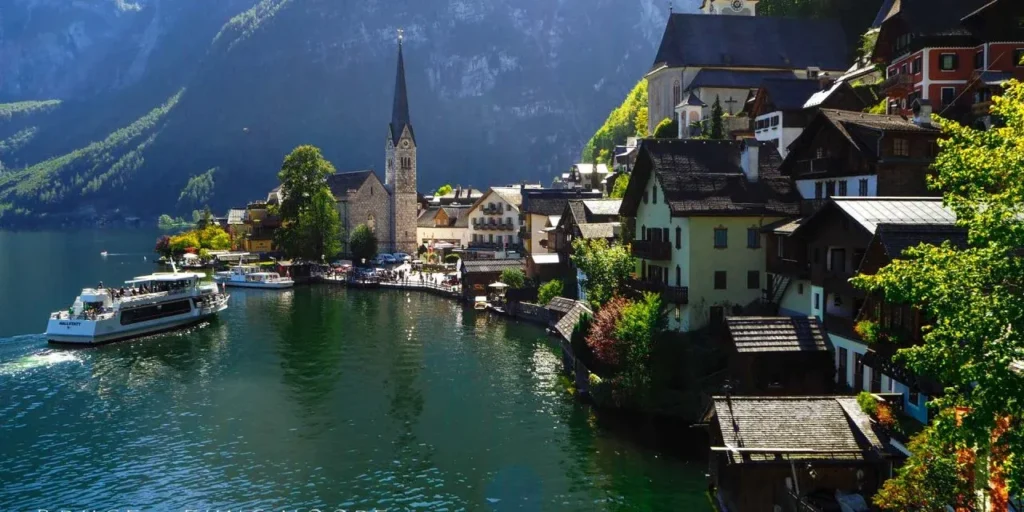
This lakeside Austrian village might be the most photographed spot in Europe—and for good reason. Nestled between dramatic mountains and a pristine lake, Hallstatt looks like it belongs on a chocolate box.
Beyond the scenery, you can explore ancient salt mines, hike mountain trails with incredible views, or simply sit lakeside with a coffee and soak it all in. Just be aware it’s tiny and very popular, so arrive early morning to beat the tour groups.
11. Cinque Terre, Italy – Coastal Villages That Defy Gravity
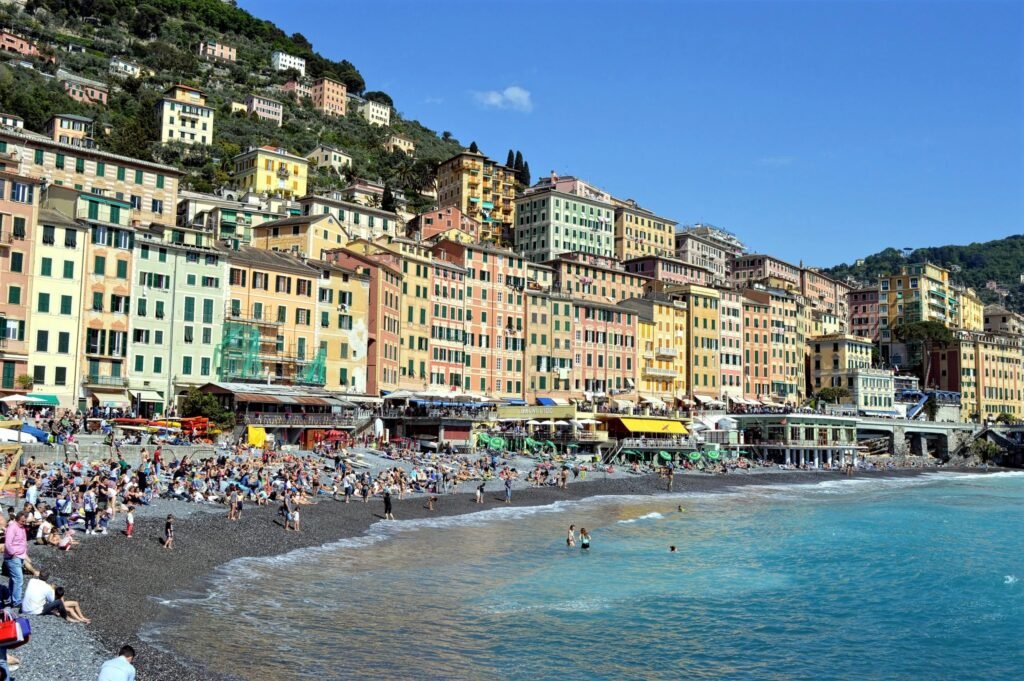
Five colorful fishing villages clinging to dramatic cliffs above the Ligurian Sea—Cinque Terre is jaw-droppingly beautiful. You can hike between villages, swim in hidden coves, and eat pesto made from basil grown on impossible hillside terraces.
It’s touristy, sure, but some places earn their popularity. Just avoid peak summer if you can, and stay overnight in one of the villages rather than day-tripping from Florence.
4 Best European Cities for Different Travel Styles
12. Berlin, Germany – For History Buffs and Night Owls
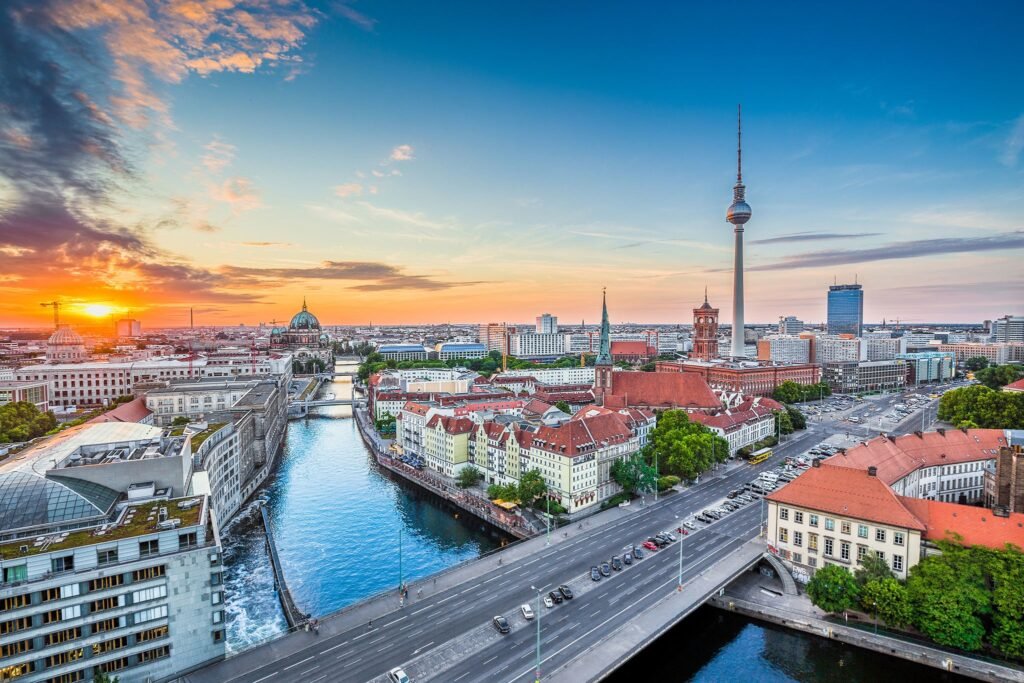
Berlin wears its complicated history on its sleeve. From the Berlin Wall remnants to world-class museums on Museum Island, history enthusiasts could spend weeks here. But Berlin is also famous for its nightlife—clubs that don’t close until Monday morning, street art that rivals any gallery, and a creative energy you can feel.
The food scene spans traditional German fare to cutting-edge international cuisine, and it’s surprisingly affordable for a major European capital.
13. Vienna, Austria – For Culture and Coffee Lovers
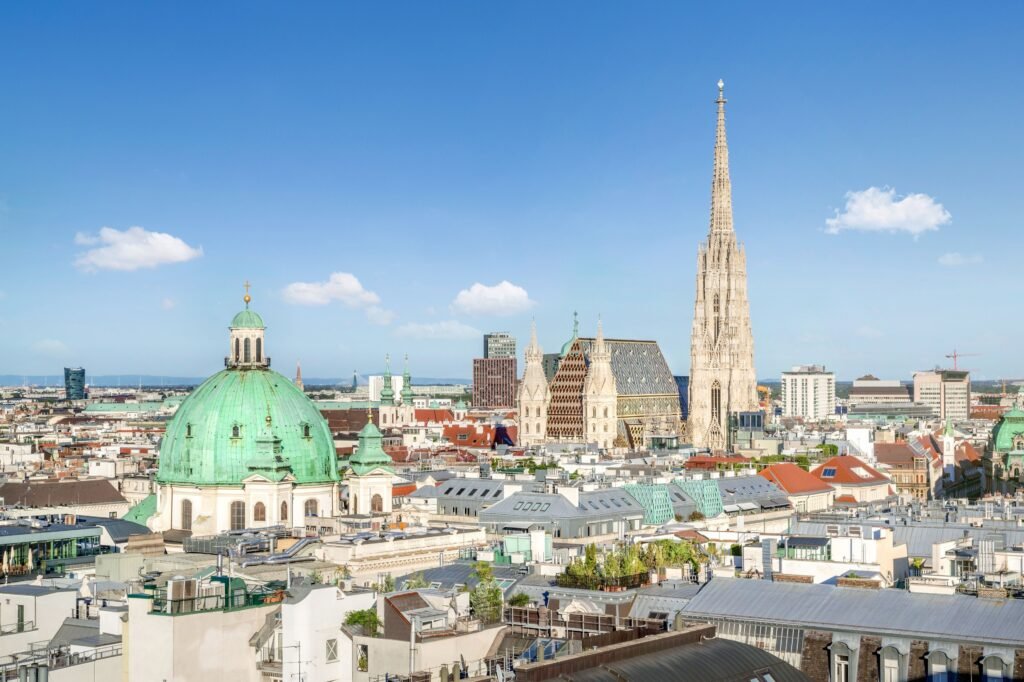
Vienna’s coffee house culture is UNESCO-protected for good reason. This city moves at a civilized pace, where you can spend hours in a historic café with a newspaper and a slice of Sachertorte.
Beyond coffee, Vienna offers stunning imperial architecture, world-class opera and classical music, and the beautiful Schönbrunn Palace. It’s Europe at its most elegant and refined.
14. Budapest, Hungary – For Budget-Conscious Travelers
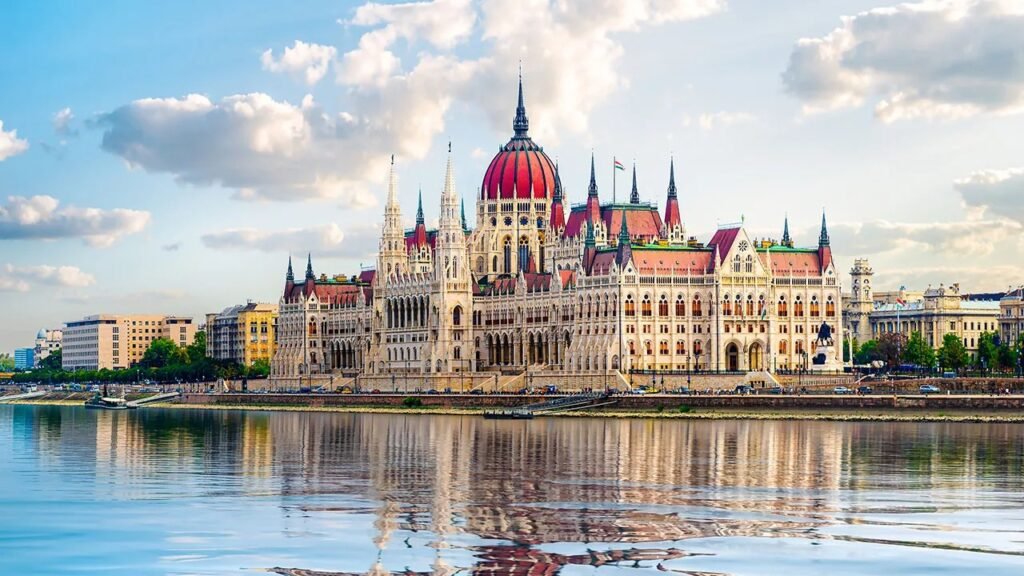
Budapest delivers major European capital vibes at a fraction of Western European prices. The thermal baths are perfect for relaxation, the ruin bars offer unique nightlife experiences, and the architecture rivals Vienna’s grandeur.
You can eat exceptionally well for €10-15 per person, stay in nice accommodations affordably, and still have money left for Budapest’s excellent wine bars.
15. Reykjavik, Iceland – For Nature and Adventure Seekers
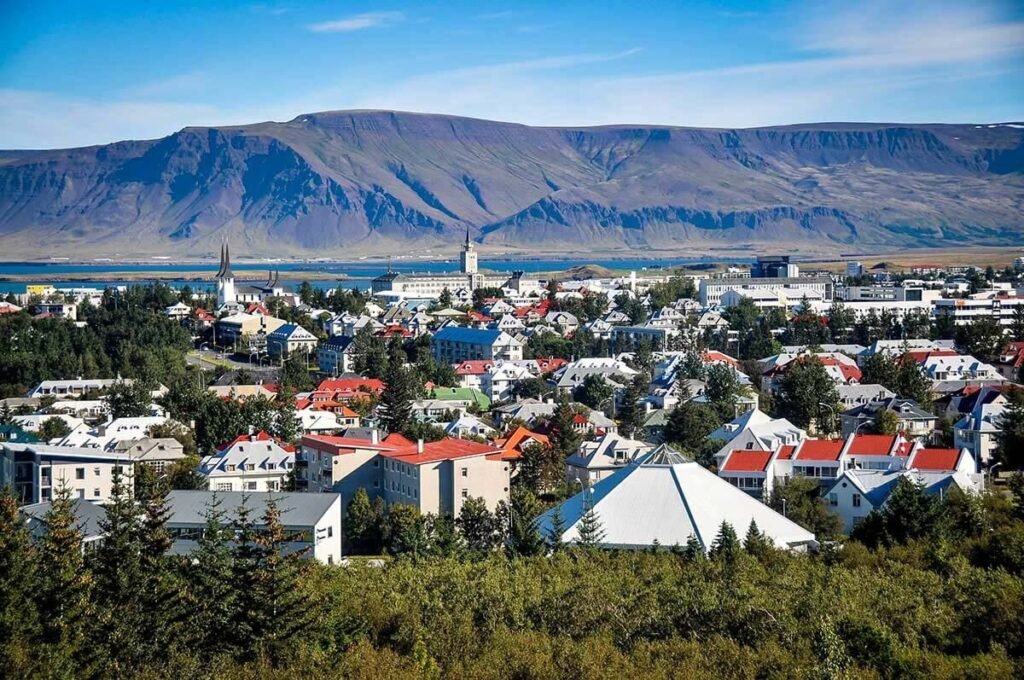
Technically Europe (geographically it straddles two continents), Iceland belongs on this list for its otherworldly landscapes. Reykjavik makes an excellent base for exploring geysers, waterfalls, glaciers, and if you time it right, the Northern Lights.
The Blue Lagoon, Golden Circle, and South Coast are tourist magnets for good reason. Just remember that Iceland is expensive, so budget accordingly.
Making the Most of Your European Adventure
Transportation Between Destinations
Europe’s train network makes multi-country trips incredibly easy. The Eurail pass can save money if you’re covering lots of ground, while budget airlines like Ryanair and EasyJet offer cheap flights between major cities.
My recommendation? Mix it up. Take scenic train routes (the Switzerland to Italy trains are spectacular), fly when it saves significant time, and rent a car for exploring countryside regions like Tuscany or the Scottish Highlands.
When to Visit Europe
Shoulder seasons (April-May and September-October) offer the sweet spot: decent weather, smaller crowds, and better prices. Summer (June-August) means long days and festival season but also peak prices and tourist hordes. Winter can be magical for Christmas markets and skiing, though many coastal destinations shut down.
How Long Should You Spend?
If you’re hitting multiple Europe travel destinations, I recommend at least 2-3 weeks. This gives you time to really experience places rather than just checking boxes. Three or four well-chosen destinations beat trying to see ten countries in two weeks.
Quality over quantity wins every time in European travel.
Frequently Asked Questions
What is the #1 tourist destination in Europe?
Paris, France consistently ranks as Europe’s most-visited city, attracting over 30 million international visitors annually. However, “best” depends on your interests—Rome offers more ancient history, Barcelona has better beach access, and Amsterdam provides a more compact, walkable experience.
How much does a trip to Europe cost?
Budget varies wildly by destination and travel style. Eastern European countries like Hungary, Poland, and Croatia offer incredible value at $50-80 per day. Western European destinations like Switzerland, Norway, and France typically run $150-250+ daily. Mid-range travelers should budget $100-150 per day for most popular destinations.
What’s the best way to plan a Europe bucket list trip?
Start by choosing 3-5 destinations maximum for a 2-3 week trip. Book accommodations and major attractions in advance, but leave room for spontaneity. Use Rome2Rio to plan transportation between cities, and consider a mix of famous highlights and lesser-known gems to avoid tourist fatigue.
Is it better to visit multiple countries or focus on one?
For first-timers, I recommend 2-3 countries maximum. Traveling between countries eats up time and money. You’ll have a richer experience spending 5 days really exploring Rome than rushing through Rome, Florence, Venice, and Milan in the same timeframe.
What are the must-visit places in Europe that aren’t too touristy?
Consider Porto (Portugal), Ljubljana (Slovenia), Tallinn (Estonia), Ghent (Belgium), or the Plitvice Lakes (Croatia). These destinations offer authentic European experiences without the overwhelming crowds of Paris or Venice.
Your European Adventure Awaits
Europe isn’t just a destination—it’s a collection of experiences that will reshape how you see the world. Whether you’re drawn to ancient Roman ruins, Alpine adventures, Mediterranean islands, or vibrant modern cities, the best places to visit in Europe offer something that speaks to every type of traveler.
Start planning your trip by choosing 2-3 destinations that genuinely excite you. Don’t just follow the crowds—some of the most memorable European experiences happen in unexpected places. Book those flights, pack light (trust me on this), and prepare for croissants that ruin all other pastries forever.
The beauty of Europe is that you could return twenty times and still discover something new. So pick your first destinations, dive in, and start creating those memories. The continent is waiting, and it’s even better than you imagine.
Safe travels, and don’t forget to look up from your phone occasionally—the real magic happens when you’re fully present in these incredible places.