
 David
David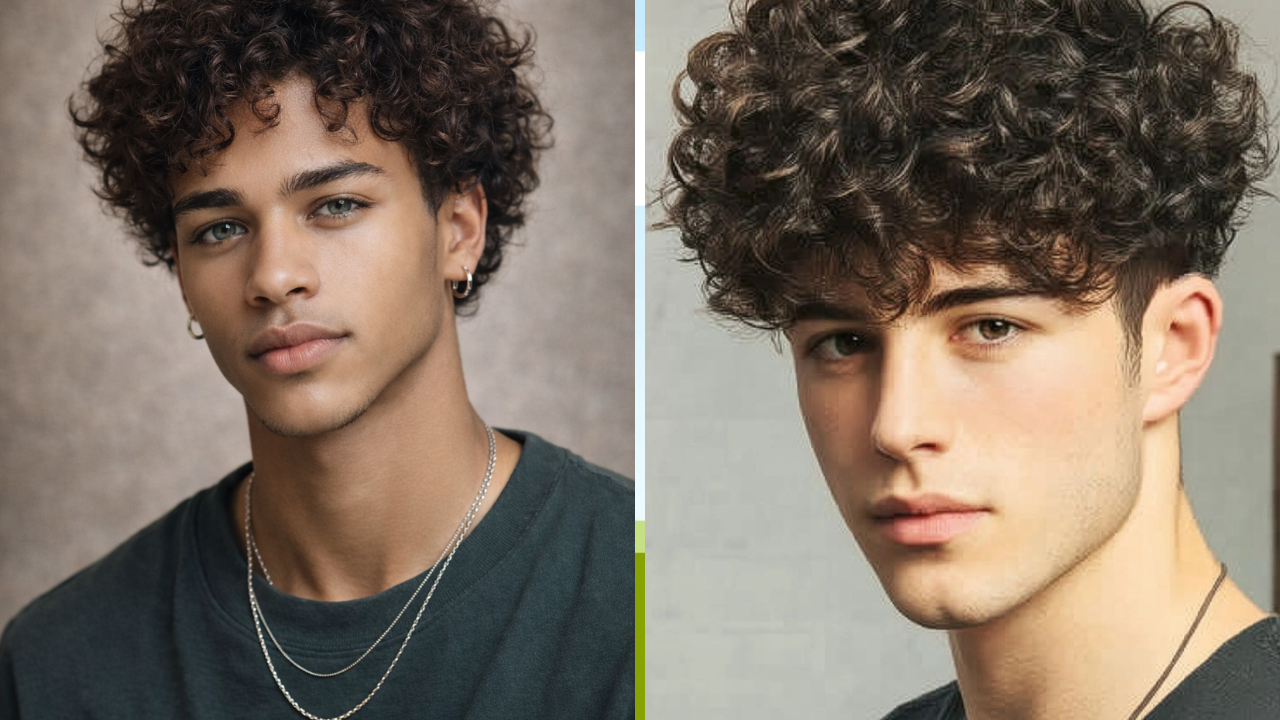
You can wear the right clothes, hit the gym consistently, and have your life together, but if your hair looks like you just rolled out of bed—and not in the intentional way—you’re leaving points on the table.
The difference between a haircut that works and one that doesn’t isn’t subtle. It’s the difference between people assuming you’ve got your act together and people wondering if you own a mirror.
Here’s what most guys get wrong: they think “attractive” means copying whatever’s trending on social media or going with whatever their barber suggests without input.
Real attraction comes from a haircut that works with your specific features, fits your lifestyle, and looks like you actually put thought into it. It’s not about finding the one “perfect” hairstyle—it’s about understanding which styles make you look better and why they work.
This isn’t theory or subjective opinion. Certain hairstyles consistently rate higher in attractiveness studies, dating app performance, and real-world responses.
They create better facial proportions, enhance masculine features, and signal that you take care of yourself. Let’s break down exactly which hairstyles deliver results and how to know if they’ll work for you.
Why Your Hairstyle Matters More Than You Think
Your hairstyle is the frame for your face. A good frame makes everything else look better—your eyes stand out more, your jawline looks sharper, your bone structure gets emphasized. A bad frame does the opposite, hiding your best features and drawing attention to proportions you’d rather balance out.
Women notice hair. Not in the way guys notice a car or sneakers, but as part of an overall assessment of whether you look put-together.
In psychological studies on first impressions, hairstyle ranks among the top three factors people evaluate within the first few seconds of meeting someone, right alongside facial structure and how you dress.
It’s one of the few things you have complete control over that dramatically impacts how others perceive you.
Beyond attraction, your hair communicates things about you whether you intend it to or not. A sharp, maintained cut suggests discipline and self-respect. An outdated or neglected style suggests you’re either unaware or don’t care. Fair or not, people make these judgments instantly.
The good news? Unlike your height or bone structure, your hairstyle is entirely within your control. Choosing the right one is straightforward once you understand what works with your features.
The Textured Crop: The Universal Winner
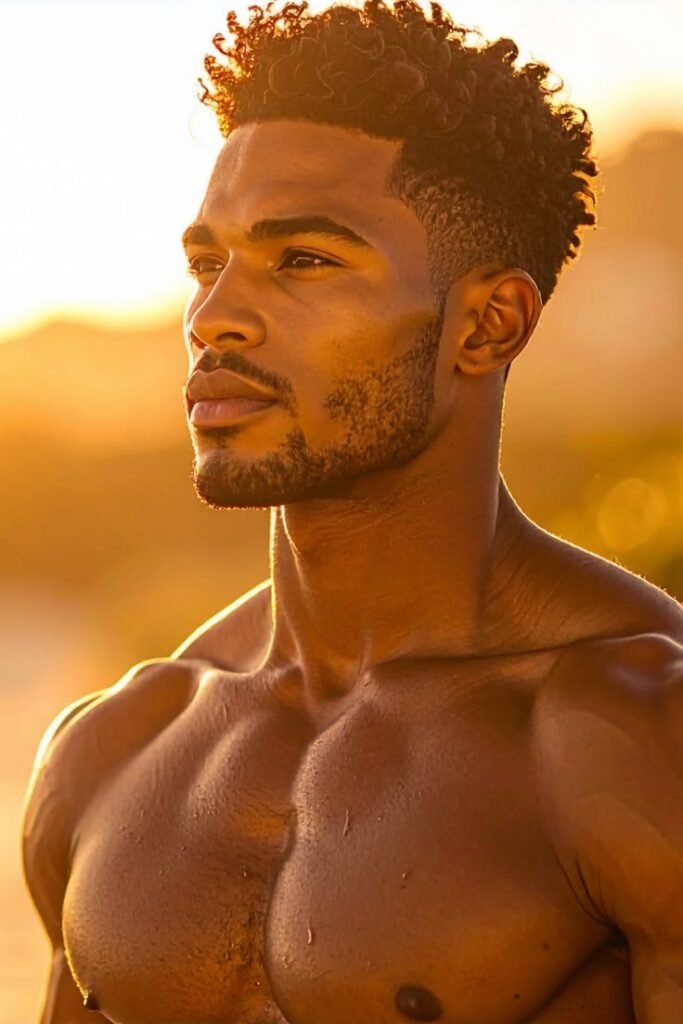
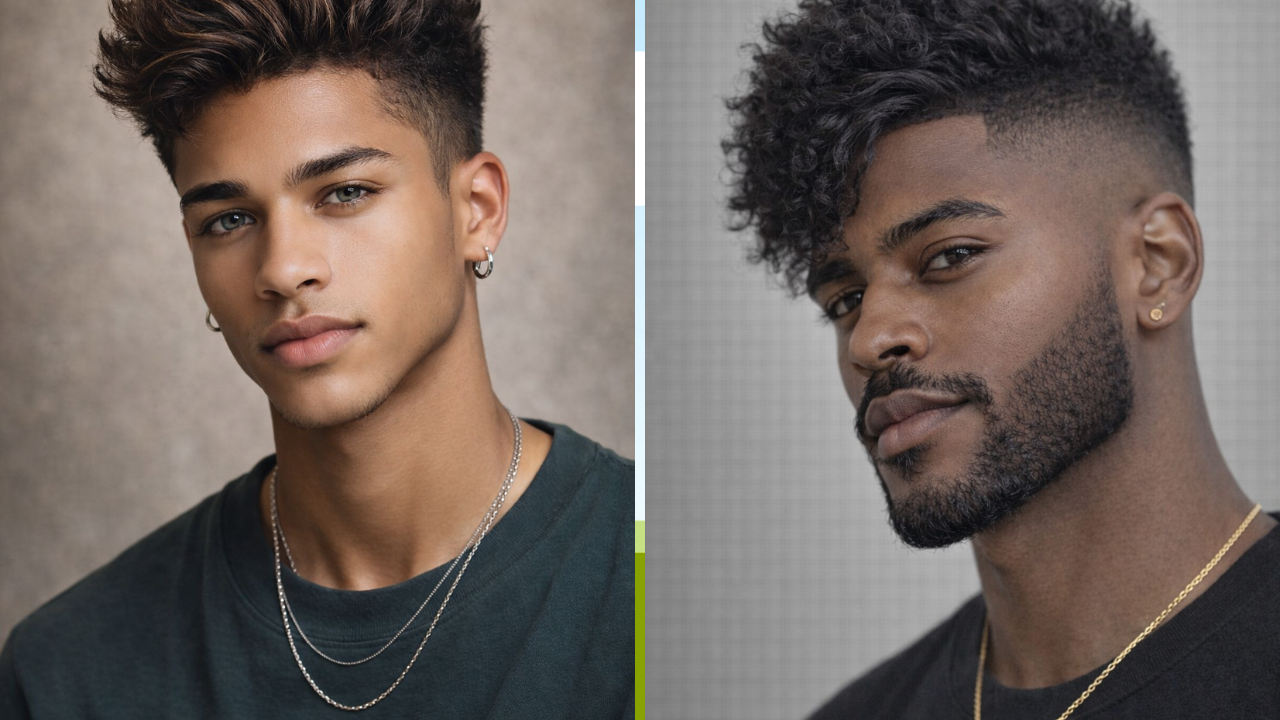
If there’s one hairstyle that works on the widest range of guys and consistently gets positive attention, it’s the textured crop. This is short to medium length on top (usually 1.5 to 3 inches), cut to create natural texture and movement, paired with faded or tapered sides.
Why It Works: The textured crop creates the illusion of thickness and volume even if your hair is naturally fine. The texture prevents your hair from lying flat, which adds dimension to your face. The shorter sides create clean contrast that emphasizes your facial features rather than competing with them. It’s modern without being trendy, masculine without being aggressive.
Who It Works Best For: Almost everyone, but especially guys with fine or thinning hair who need to maximize the appearance of fullness. If you’ve got a square or oval face, this is your easiest path to looking good. Round faces benefit from the height it creates on top. Even guys with receding hairlines can pull this off if the crop is styled forward slightly.
The Barber Ask: “I want a textured crop, short to medium on top with lots of texture cut in. Fade the sides—low to mid fade depending on what you think works with my face shape. I want it to look natural and easy to style, not too rigid.”
Styling Reality: This takes 3-5 minutes daily. Apply a matte clay or texture paste to damp hair, work it through with your fingers, then push your hair forward and slightly up. The texture is built into the cut, so you’re just enhancing what’s already there. It’s low-effort with high-impact results.
The Side Part: Classic Masculinity Done Right
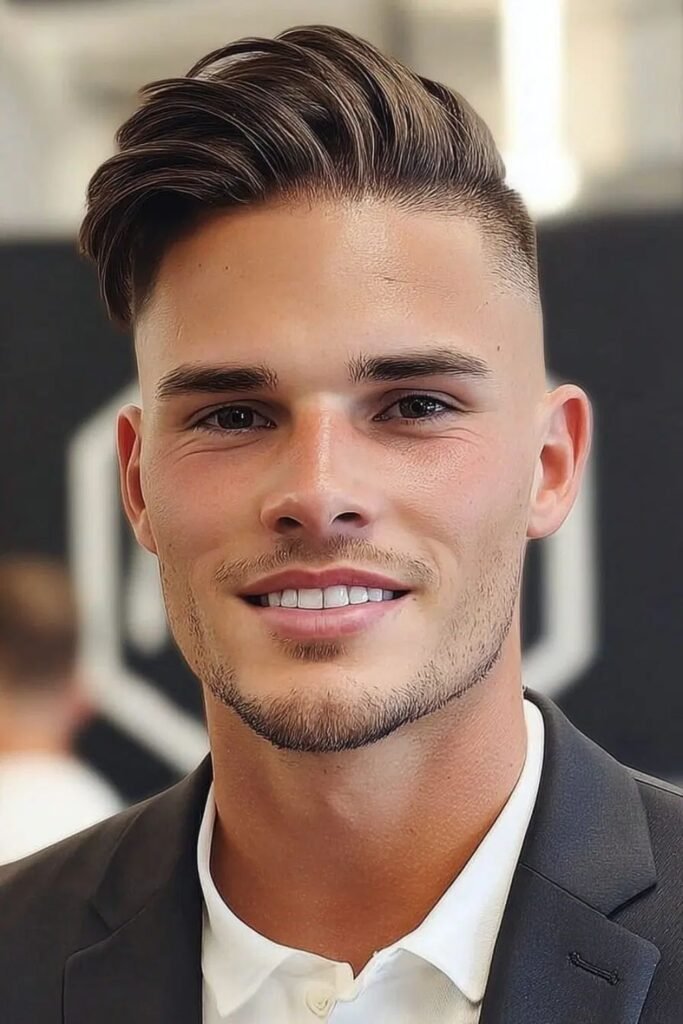
The side part has been making men look good for nearly a century, and for good reason. When executed properly with modern touches—slightly longer length, less severe part line, textured rather than slicked—it’s one of the most universally flattering styles you can wear.
Why It Works: A well-done side part creates asymmetry in your face, which is inherently more interesting to look at than perfect symmetry. It draws the eye across your face, emphasizing your best features. The structure of a side part conveys maturity and intentionality—you look like someone who has their life together.
Who It Works Best For: Guys with thicker hair who can hold the style. Oval and square faces look particularly strong with side parts. If you’re in a professional environment, this is your go-to—it reads as polished and competent without trying too hard. Works especially well for guys in their late 20s and up who want to look distinguished rather than trendy.
The Barber Ask: “I want length on top for a side part—3 to 4 inches. Keep some texture in it so it doesn’t look too corporate. Taper or low fade on the sides, and make sure there’s enough weight on top to hold the part.”
Styling Reality: Requires more effort than the crop—5-7 minutes. Blow-dry your hair to the side while it’s damp to set the direction. Apply medium-hold pomade or styling cream, create your part with a comb, then smooth everything into place. Use your fingers to add slight texture so it doesn’t look too rigid. This isn’t a “roll out of bed” style, but the payoff in perceived maturity and attractiveness is worth it.
The Slick Back: Confidence in a Hairstyle
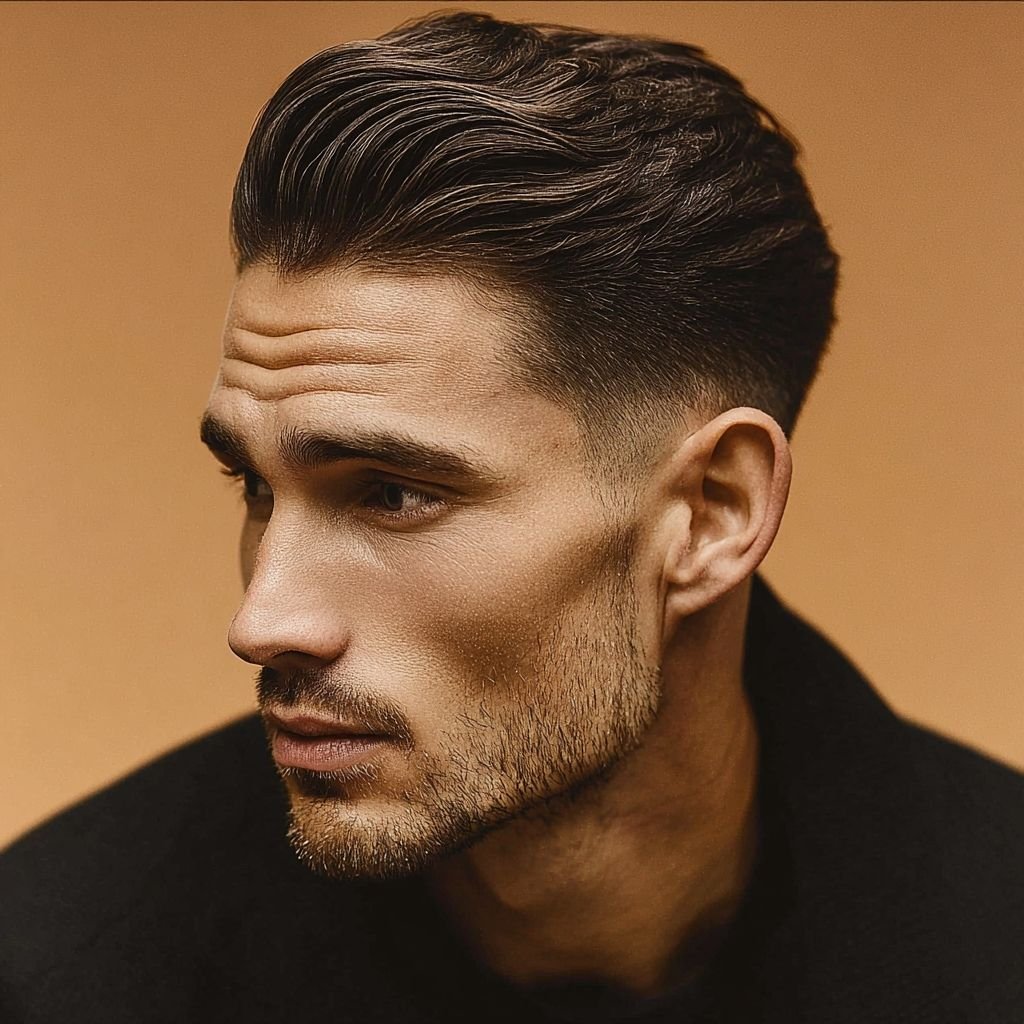
Slicked-back hair is polarizing, but when it works, it works. This is hair pushed straight back from the forehead, usually with shine from pomade or styling cream, creating a clean, masculine silhouette.
Why It Works: Slicking your hair back exposes your entire face, which projects confidence. You’re not hiding behind your hair—you’re putting your features on full display. This works particularly well if you’ve got strong facial features, a defined jawline, or good bone structure. The style elongates your face visually and creates an athletic, put-together appearance.
Who It Works Best For: Guys with oval or square faces and strong jawlines. You need enough hair length on top (3-5 inches minimum) and reasonable thickness for this to work. If you’ve got a receding hairline or widow’s peak, slicking back can actually work in your favor by embracing it rather than trying to hide it. Not recommended for round faces unless you have significant length on top to create vertical lines.
The Barber Ask: “I want length on top to slick back—at least 4 inches. Fade or taper the sides short to create contrast. I’m going for a clean slick-back look.”
Styling Reality: Takes 5 minutes. Apply pomade or styling cream to damp hair—more product than you’d use for other styles. Use a comb to pull everything straight back from your hairline. For a more modern look, use your fingers to create slight texture rather than perfect smoothness. The key is using enough product that it holds all day without looking wet or greasy.
The French Crop: Modern Edge with Low Maintenance
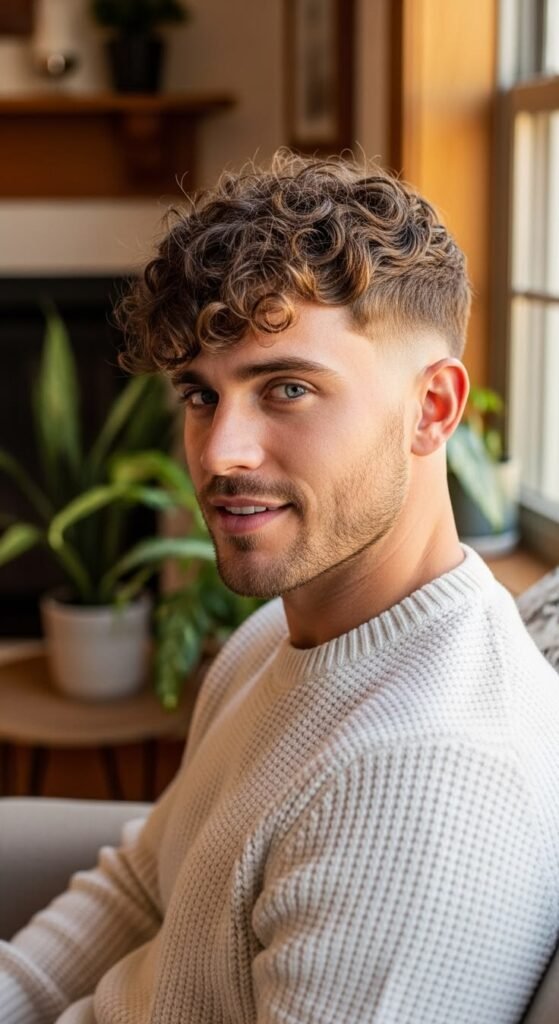
The French crop is essentially a textured crop’s edgier cousin. It features a short, blunt fringe across the forehead, textured top, and faded sides. Think of it as the haircut that says you’re stylish without trying to prove anything.
Why It Works: The horizontal fringe line creates a strong visual anchor that balances your face. It’s particularly effective at making your face appear shorter if you’ve got length to balance out. The texture adds movement and modernity, while the short sides keep everything clean. It’s one of the few hairstyles that looks intentionally styled even when you haven’t done much to it.
Who It Works Best For: Guys with oblong or long faces—the horizontal fringe shortens your face visually. Also excellent for guys with larger foreheads or receding hairlines because the fringe provides coverage. Works on most hair types except very curly hair, where the blunt fringe is harder to achieve.
The Barber Ask: “I want a French crop—textured on top with a short, blunt fringe that comes down to about mid-forehead. Fade the sides. Keep the top textured, not flat.”
Styling Reality: Minimal—2-3 minutes. The cut does most of the work. Run some matte paste through your hair, push the fringe forward, and add texture with your fingers. Because the fringe is cut blunt, it naturally falls into place. This is one of the lowest-maintenance attractive hairstyles you can get.
The Quiff: Statement Style for Confident Guys
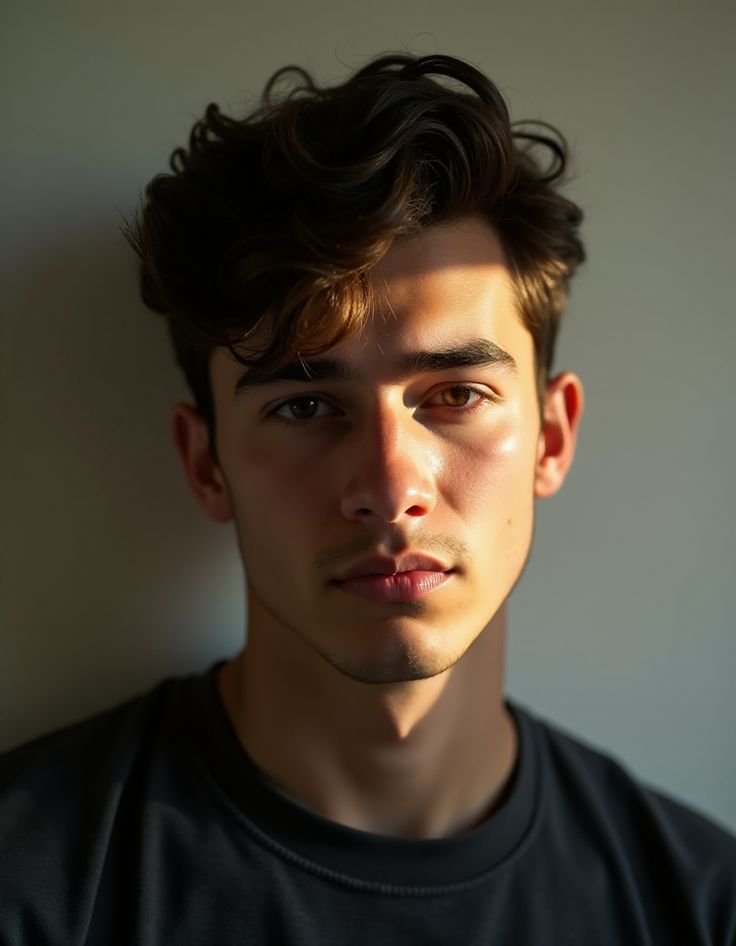
The quiff is volume swept upward and back from the forehead, creating height and drama. It’s been a staple of attractive men’s hairstyles for decades because when executed well, it’s impossible to ignore.
Why It Works: Height adds vertical dimension to your face, which is almost universally flattering. The quiff draws attention upward toward your eyes and away from any features you’d rather not emphasize. It signals confidence—you’re not trying to blend in. The volume also creates the appearance of thicker, fuller hair even if yours is naturally fine.
Who It Works Best For: Round or square faces benefit most from the vertical height. You need at least 3-4 inches of length on top and hair that’s thick enough to hold volume. Guys with oval faces can rock this too, but be careful not to create too much height or you’ll elongate your face excessively. Not ideal for very long faces unless you balance it with some width.
The Barber Ask: “I want a quiff—at least 4 inches on top, longer in front. Keep some weight so it holds volume. Fade or taper the sides to create contrast.”
Styling Reality: Requires commitment—7-10 minutes. Blow-dry your hair upward and back while it’s damp using a round brush or comb to create volume. Apply high-hold pomade or styling cream while your hair is still warm from the dryer. Push everything up and back, creating height at the front. Finish with hairspray if you need it to last all day. This isn’t a low-effort style, but it’s one of the most attention-grabbing.
The Buzz Cut: Bold Simplicity
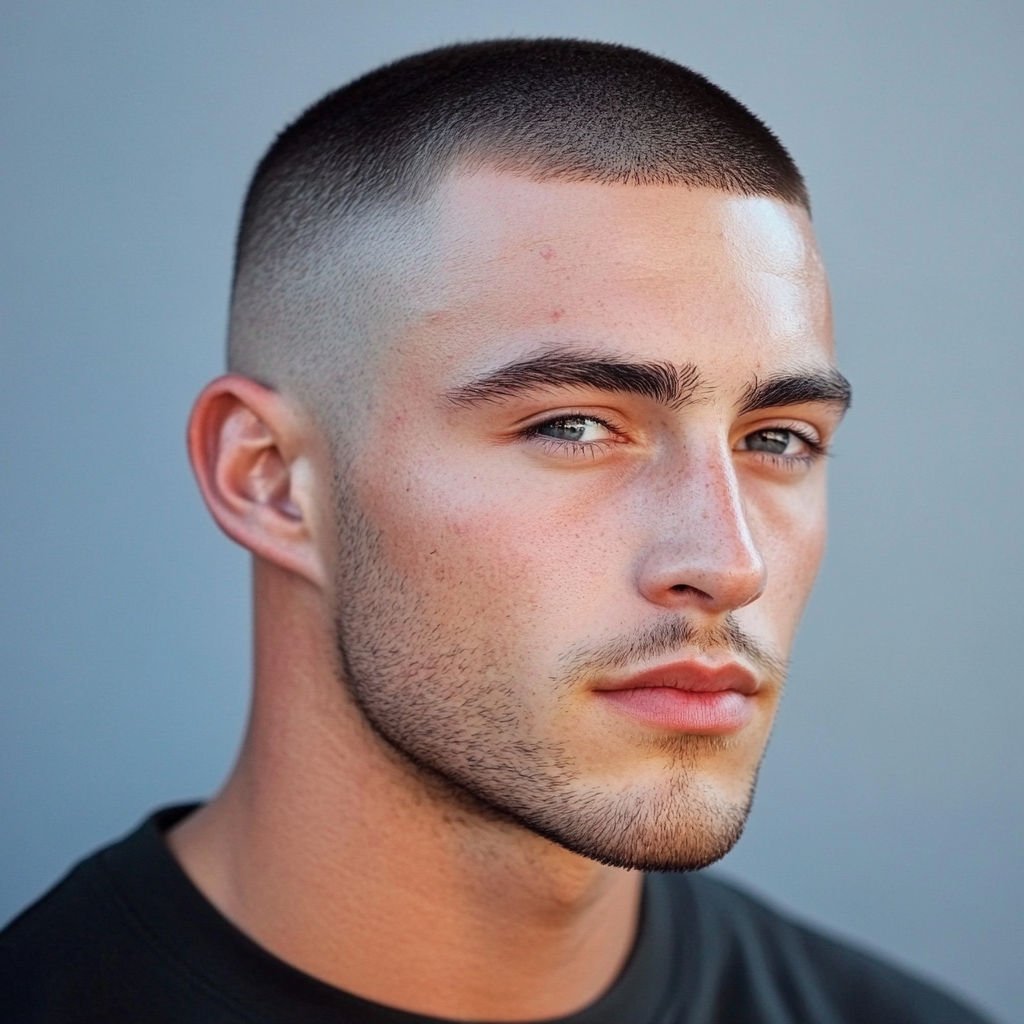
The buzz cut is all one length or slightly graduated, cut very short all over your head. It’s the ultimate low-maintenance style, but don’t mistake simple for unattractive—on the right guy, a buzz cut is incredibly masculine and draws attention to facial features.
Why It Works: A buzz cut strips away everything except your face, which means your facial structure and features are doing all the work. If you’ve got a strong jawline, good bone structure, and an athletic build, the buzz cut amplifies these by removing any distraction. It also signals confidence and practicality—you’re not relying on your hair to look good.
Who It Works Best For: Guys with oval, square, or oblong faces and strong facial features. Athletic or muscular builds carry buzz cuts particularly well because the proportions balance out. Also the move for guys experiencing significant hair loss—a clean buzz cut always looks better than trying to hide thinning hair. Not recommended for round faces unless you’re willing to compensate with facial hair or exceptional fitness.
The Barber Ask: “Buzz cut, number 2 or 3 guard all over” (adjust the number based on how short you want). Some guys graduate it—slightly longer on top (3-4) and shorter on sides (1-2) for subtle shape.
Styling Reality: Zero minutes. Wake up, you’re done. The trade-off is you need to maintain it every 2-3 weeks to keep it looking fresh. This is pure practicality, which paradoxically becomes attractive when you’ve got the features and confidence to pull it off.
The Long Flow: Unconventional Attractiveness
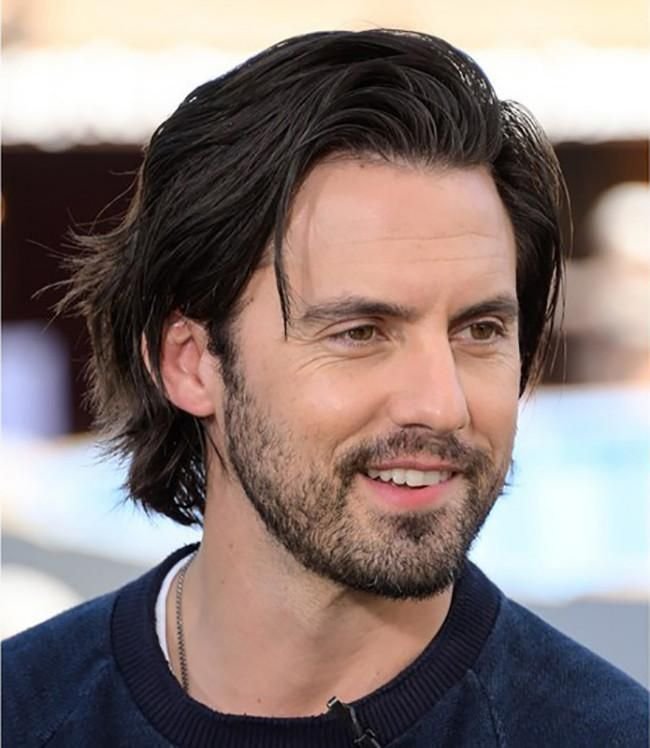
Shoulder-length or longer hair worn naturally with texture and movement. This is the least conventional option here, but it works incredibly well on guys who can commit to it and have the right features.
Why It Works: Long hair on men signals non-conformity and confidence. You’re not following the safe route, which reads as self-assurance. When healthy and well-maintained, long hair has movement and visual interest that shorter styles can’t achieve. It creates a striking contrast with masculine facial features—strong jaw plus flowing hair creates an appealing juxtaposition.
Who It Works Best For: Guys with oval or oblong faces. You need thick enough hair to avoid the stringy look—fine hair can work but requires more product and maintenance. Strong, masculine features are essential because the long hair needs something to contrast against. This works particularly well if you have an athletic or lean build and good bone structure.
The Barber Ask: “I’m growing it out. Just clean up the ends and shape it so it grows evenly. Trim anything that’s looking damaged or split.”
Styling Reality: Moderate daily effort—5-7 minutes—but significant overall maintenance. You need quality shampoo and conditioner, regular trims every 6-8 weeks to prevent split ends, and likely some leave-in product to control frizz and add texture. The payoff is a distinctive look that stands out, but only if you maintain it properly. Neglected long hair looks terrible; maintained long hair looks exceptional.
Face Shape Matching: The Cheat Sheet
The fastest way to look better is matching your hairstyle to your face shape. Here’s the simplified version:
Oval Face: You won the lottery. Textured crop, side part, quiff, slick back, French crop—everything works. Choose based on your lifestyle and personal style.
Square Face: Textured crop, side part, and quiff work best. Avoid styles that add width to the sides of your head. You want height on top to balance your strong jaw.
Round Face: Quiff, slick back, and high-volume styles create vertical lines that elongate. Avoid the French crop and anything that adds width. You need height.
Oblong/Long Face: French crop and side part shorten your face visually. Avoid excessive height—quiffs and tall styles will make you look even longer. Side volume is your friend.
Heart-Shaped Face: Textured crop and side part balance your wider forehead. Avoid slicking everything back, which emphasizes the forehead-to-chin taper.
Diamond Face: Most styles work. Side part and textured crop particularly complement your cheekbones.
Hair Type Reality Check
Your hair texture determines which styles are practical and which are fighting against nature.
Thick Hair: You can pull off almost anything, but you shine with styles that require volume and hold—quiffs, pompadours, side parts. Your challenge is managing bulk, not creating it.
Fine/Thin Hair: Textured crop and French crop are your best friends. These styles create the illusion of thickness through texture and strategic cutting. Avoid slick backs and side parts that expose your scalp.
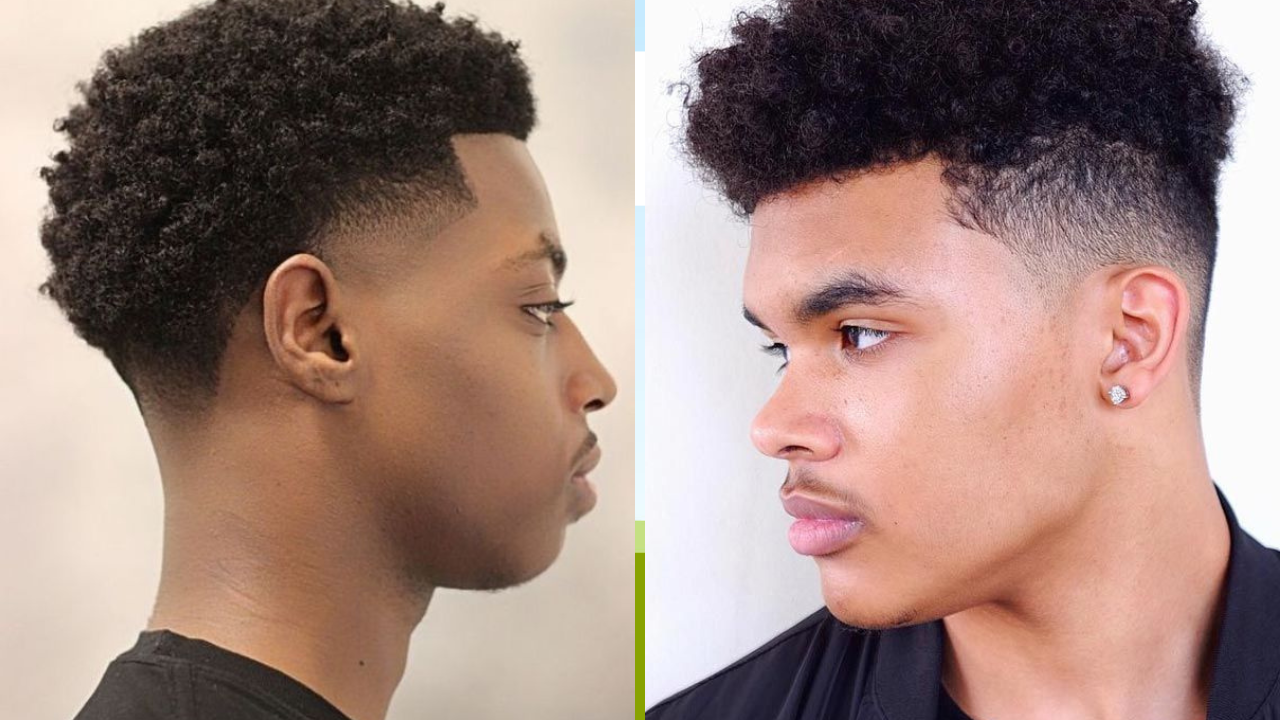
Curly Hair: Embrace the texture. Curly textured crops, longer natural flow, and curly quiffs all work exceptionally well. Don’t fight your curls trying to achieve straight-hair styles—curls are inherently attractive when shaped properly.
Straight Hair: Maximum versatility. Slick backs, side parts, and quiffs are particularly clean on straight hair. The challenge is creating texture if you want it—you’ll need the right products and cutting techniques.
Common Mistakes That Kill Your Attractiveness
Going Too Long Between Cuts: Even the best hairstyle looks sloppy after 4-6 weeks. Budget for cuts every 3-4 weeks to maintain the shape that makes the style work.
Choosing Style Over Suitability: That haircut you saw on an actor or athlete might not work with your face shape, hair type, or lifestyle. Choose what works for you, not what looks cool in theory.
Under-Styling or Over-Styling: The textured crop needs product to look textured. The quiff needs volume to work. But dumping half a jar of pomade on your head looks greasy and try-hard. Find the minimum effective dose of product for your style.
Ignoring Hair Health: Attractive hairstyles require healthy hair. If your hair is damaged, overly dry, or full of split ends, no cut will save you. Use decent shampoo and conditioner, get regular trims, and don’t blast your hair with heat without protection.
Mismatching the Style to Your Life: If you can’t spend 10 minutes styling every morning, don’t get a quiff. If you work in a conservative field, maybe hold off on the long flow. Your hairstyle needs to fit your actual life or you’ll abandon it.
Products That Actually Matter
You don’t need a bathroom full of products, but you do need the right ones for your chosen style.
Matte Clay or Paste: Essential for textured crops, French crops, and any style where you want hold without shine. Provides texture and separation. Apply to damp hair for easier distribution.
Pomade (Medium to High Hold): For side parts, slick backs, and quiffs. Choose water-based for easier washing out. Oil-based gives more shine and stronger hold but is harder to remove.
Texture Spray or Sea Salt Spray: Creates grit and volume in fine or straight hair. Spray on damp hair before styling. Game-changer for guys who struggle with flat hair.
Quality Shampoo and Conditioner: Not technically styling products, but crucial for hair health. You don’t need expensive salon brands, but upgrade from the cheapest drugstore option.
Blow Dryer: Non-negotiable for quiffs, side parts, and any style requiring volume or direction. Doesn’t need to be fancy, but you need one.
The Maintenance Reality
Attractive hairstyles require maintenance. Here’s what you’re actually committing to:
Textured Crop / French Crop: Barber every 3-4 weeks, 3-5 minutes daily styling. This is the sweet spot of attractiveness versus effort.
Side Part / Slick Back: Barber every 3-4 weeks, 5-7 minutes daily styling. Moderate commitment for high polish.
Quiff: Barber every 3-4 weeks, 7-10 minutes daily styling. High maintenance, high impact.
Buzz Cut: Barber every 2-3 weeks, zero daily styling. Minimal effort but requires confidence and the right features.
Long Flow: Barber every 6-8 weeks for trims, 5-7 minutes daily, plus washing and conditioning routine. Long-term commitment with distinctive payoff.
Choose based on honest assessment of your habits. The best hairstyle is one you’ll actually maintain.
Making Your Decision
Still overwhelmed? Use this framework:
If you want maximum attractiveness with minimal daily effort: Textured crop or French crop.
If you work in a professional environment and want to look distinguished: Side part.
If you’ve got strong features and want to emphasize them: Slick back or buzz cut.
If you want to stand out and don’t mind the effort: Quiff or long flow.
If your hair is thinning and you want to look your best: Textured crop or buzz cut, depending on your features.
The most attractive hairstyle isn’t the trendiest or the one that works on male models. It’s the one that fits your face, works with your hair type, matches your lifestyle, and most importantly—the one you’ll actually maintain. A “less attractive” style that you keep sharp always beats a “more attractive” style that you let go to hell after two weeks.
The Honest Truth About Attraction
Here’s what nobody tells you: the hairstyle itself isn’t what makes you attractive. It’s that you chose something intentional, maintained it properly, and wear it with confidence. A textured crop worn with confidence beats a perfect quiff worn with self-consciousness every time.
The hairstyles listed here consistently rate well because they’ve been tested across decades, different cultures, and millions of interactions. They create better proportions, enhance masculine features, and signal that you take care of yourself. But they only work if you commit to them.
Get the haircut that makes sense for your face and your life. Maintain it every 3-4 weeks. Learn to style it in under 10 minutes. Then stop thinking about it and let your hair work for you instead of against you. That’s when you stop trying to look attractive and just become someone who is.
Your move is to book a barber appointment with someone who knows what they’re doing, bring reference photos of styles that appeal to you, and have an honest conversation about what works for your specific situation. The haircut that makes you look instantly more attractive is the one that’s cut well, maintained properly, and styled with intention. Everything else is just details.
Read also: Low Fade vs High Fade: Which One Looks Better on You?







Add comment